
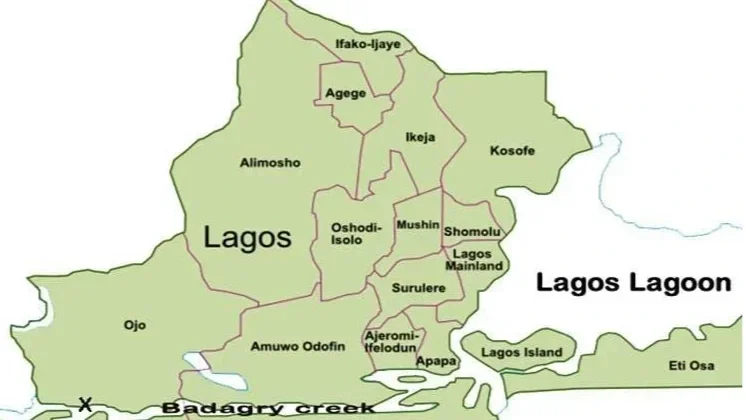
Land Grabbers Allegedly Demolish 50 Homes in Lagos Community
Stakeholders in Nigeria’s real estate sector have raised concerns following the demolition of approximately 50 buildings in a Lagos community by suspected land grabbers popularly known as “Omo Onile.” The incident has renewed debate about land ownership disputes and regulatory enforcement within the state’s property market.
The affected properties were located in the Amikanle community near the Command area of Alimosho Local Government Area in Lagos State, where residents reported that unidentified individuals invaded the area and destroyed several houses.
According to residents, the demolition occurred after the alleged land grabbers demanded payments from property owners, threatening to destroy buildings belonging to individuals who refused to comply.
Alleged Extortion and Demolition
Residents said the suspected land grabbers demanded payments ranging from ₦15 million to ₦25 million from homeowners in the community. Those who reportedly failed to pay the requested amounts saw their properties demolished.
The demolition left many homeowners counting significant financial losses, as several of the buildings were completed residential properties and investment projects.
Property owners described the incident as both an economic and emotional setback, noting that many of the destroyed buildings represented years of savings and financial planning.
Real Estate Stakeholders Condemn Incident
Real estate professionals and industry stakeholders have strongly criticised the incident, describing it as a major threat to investor confidence in the property sector.
Israel Ihaza, Chief Executive Officer of real estate firm Oikus, said such actions undermine existing regulatory structures and weaken trust in the rule of law within the real estate market.
He noted that when land ownership records lack transparency and enforcement mechanisms are weak, it creates opportunities for illegal actors to exploit property disputes.
According to him, incidents involving land grabbers can discourage both domestic and diaspora investors from committing capital to property development.
Financial Impact on the Housing Sector
Legal practitioners and community representatives also highlighted the broader financial implications of illegal demolitions.
One legal adviser involved with affected residents estimated that the economic loss from the destruction of dozens of buildings could reach billions of naira. In some estimates, over 50 buildings valued at approximately ₦50 million each could represent losses exceeding ₦2.6 billion.
Beyond the immediate financial losses, such incidents also reduce housing supply in already constrained urban markets.
Experts warn that removing completed housing units from the market worsens housing shortages and can contribute to rising property prices and rents.
Long-Standing “Omo Onile” Challenge
The activities of “Omo Onile” groups have long posed challenges for property development in Lagos and other urban centres in Nigeria.
These groups often claim traditional ownership of land and demand various payments from developers and property owners before construction can proceed. In some cases, disputes escalate into threats, harassment, or demolition of structures.
Despite legislative efforts by the Lagos State Government to curb land-grabbing activities, enforcement challenges remain.
Implications for Investors and Urban Development
Industry analysts note that persistent land disputes pose significant risks to Nigeria’s real estate investment environment.
Unclear land documentation, overlapping claims, and weak enforcement of property rights can create uncertainty for developers and homeowners. Such risks can slow investment flows into the housing sector and undermine long-term urban development planning.
For investors, the incident underscores the importance of thorough due diligence, including proper land verification, title registration, and legal documentation before committing capital to property development.
Outlook
Stakeholders are urging authorities to strengthen enforcement of land ownership laws and improve transparency in property registration systems.
Industry experts also advocate for expanded digital land registries and stronger coordination between regulatory agencies, courts, and law enforcement institutions.
Without decisive intervention, analysts warn that continued land-grabbing disputes could hinder housing delivery, reduce investor confidence, and complicate efforts to address Nigeria’s growing urban housing deficit.
