Ministry of Women Affairs Receives ₦150 Billion Capital Allocation for 2026 Appropriation Bill
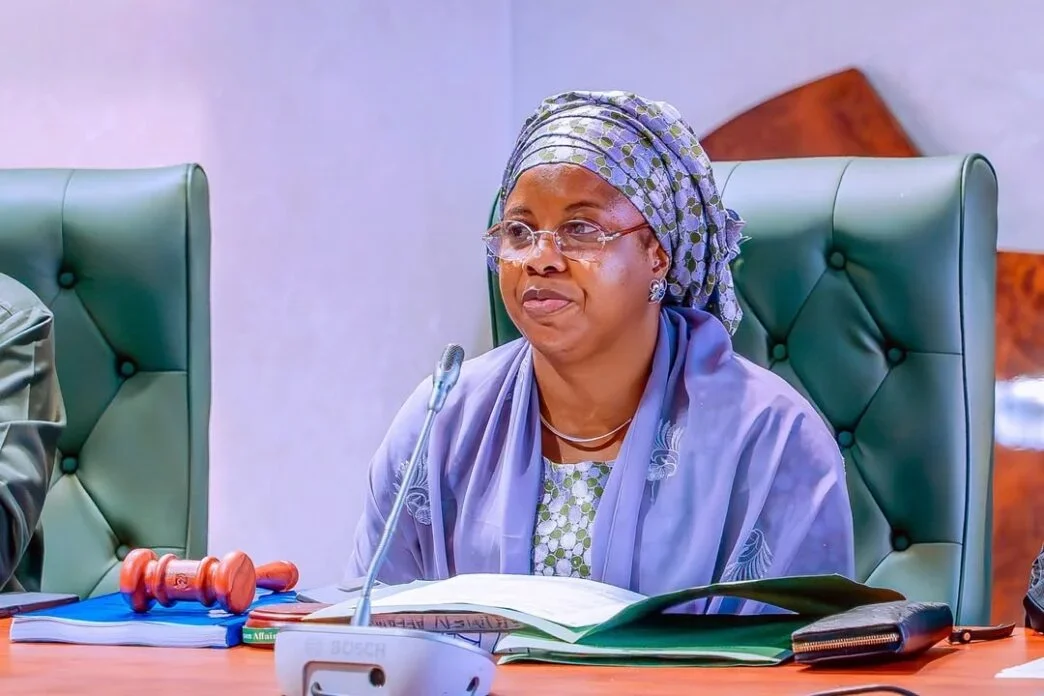
The 97% increase in the 2026 budget for the Ministry of Women Affairs signals a potential turning point for gender policy in Nigeria.
The Federal Government has proposed a significant expansion of the fiscal envelope for the Federal Ministry of Women Affairs in the 2026 Appropriation Bill. The allocation is set to rise from ₦78.5 billion in 2025 to ₦154.3 billion in 2026, representing a 97% year-on-year increase. This surge in funding reflects a strategic shift toward gender-responsive budgeting, with a primary emphasis on capital projects designed to enhance the welfare, protection, and economic inclusion of women and girls across Nigeria.
Prioritising Capital Development
A detailed analysis of the ₦154,315,760,358 appropriation reveals a structure heavily weighted toward developmental projects rather than administrative overheads. The breakdown is as follows:
Capital Expenditure: ₦150.39 billion (97.4% of the total allocation).
Personnel Costs: ₦2.66 billion.
Overheads: ₦1.25 billion.
The high concentration of funds within the capital expenditure category indicates a commitment to institutionalizing programs targeted at poverty alleviation, education for the girl child, and legal reforms to combat gender-based violence (GBV).
Stakeholder Perspectives and Advocacy Expectations
While gender advocates have largely commended the increase, the focus has shifted toward the "cash backing" and utilization of these funds. Ebere Ifendu, National President of the Women in Politics Forum (WiPF), noted that while the figures are promising, the actual impact depends on timely releases. She emphasized that health, education, and social amenities must be prioritized to effectively transition women out of poverty.
Similarly, Dr Abiola Akiyode-Afolabi, Director of the Safeguarding Centre at the University of Lagos, described the development as a milestone for a ministry that has historically occupied the "lowest rung of the ladder" in terms of funding. She attributed the successful appropriation to the negotiation efforts of the current Minister, Imaan Sulaiman-Ibrahim.
Operational Challenges and Transparency Concerns
Despite the overall increase, some internal sources have raised concerns regarding the comprehensiveness of the budget. It has been noted that certain flagship initiatives, such as the Nigeria for Women Project, may not be fully reflected in the current appropriation. This omission suggests that while the ministry’s primary budget has expanded, specific sub-sectoral needs may still require supplementary funding or a more granular breakdown to ensure transparency.
Stakeholders insist that the 2026 budget presents a critical opportunity to move beyond "figures on paper" toward measurable metrics in:
Reduction of Gender-Based Violence: Strengthening protection mechanisms and legal recourse.
Economic Empowerment: Expanding access to credit and vocational training for women.
Social Protection: Improving healthcare and maternal outcomes through targeted infrastructure.
Conclusion
The 97% increase in the 2026 budget for the Ministry of Women Affairs signals a potential turning point for gender policy in Nigeria. By allocating over ₦150 billion to capital projects, the Federal Government has provided the fiscal space necessary for wide-scale institutional reform. However, as noted by civil society organizations, the success of this unprecedented allocation will be measured not by the amount appropriated, but by the transparency of its deployment and the tangible improvements in the lives of Nigerian women and girls.