
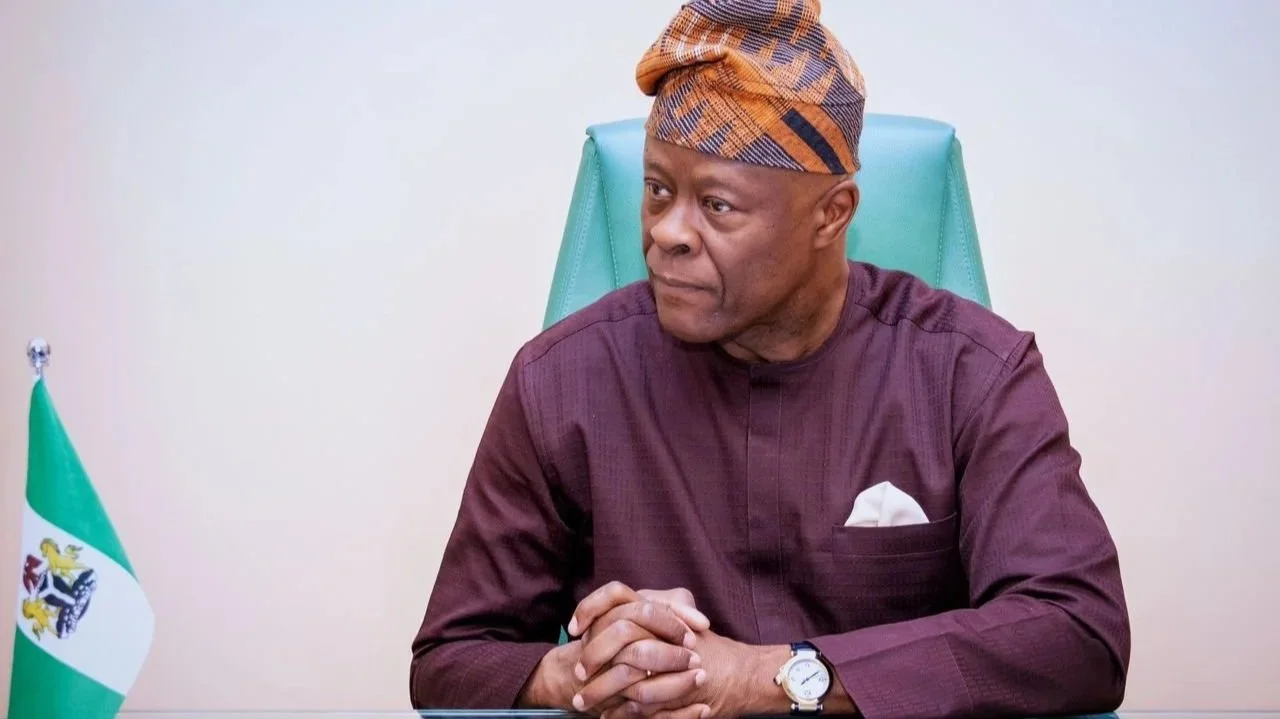
Finance Minister Wale Edun
The Minister of Finance and Coordinating Minister of the Economy, Wale Edun, has stated that Nigeria is actively seeking strategic and mutually beneficial economic partnerships globally in response to shifting international trade dynamics and potential U.S. tariff adjustments. Speaking on the sidelines of the World Economic Forum (WEF) in Davos, Switzerland, the Minister emphasised that Nigeria’s trade policy focuses on competitiveness and the protection of domestic economic interests.
Strategic Response to Global Tariff Shifts
In the wake of discussions regarding increased U.S. trade protectionism and the potential imposition of broader tariffs, Minister Edun clarified Nigeria’s stance on international cooperation. He asserted that while global trade policies are evolving, Nigeria’s objective remains the pursuit of arrangements that provide reciprocal value. According to the Minister, the Federal Government is monitoring these developments closely to ensure the nation’s export sectors remain viable and competitive.
The Minister highlighted that Nigeria is not limited to a single trading bloc but is instead positioning itself to engage with multiple global partners. This approach aims to diversify the country’s revenue streams and reduce over-reliance on traditional markets that may be subject to sudden policy shifts.
Protecting Domestic Interests and Export Growth
A central component of Nigeria’s economic strategy is the enhancement of the non-oil export sector. Edun noted that any engagement in global trade deals must align with the administration’s goal of industrialisation and job creation. By focusing on "mutually beneficial" terms, the government intends to protect local industries from unfair competition while securing access to foreign markets for Nigerian-made goods.
According to data from the National Bureau of Statistics (NBS), Nigeria’s trade balance has shown fluctuations in recent quarters, necessitating a more robust and proactive foreign trade policy. The Minister’s remarks suggest a shift toward bilateral negotiations that prioritise specific Nigerian commodities and services, ensuring that trade barriers do not stifle the current economic recovery efforts.
The Role of International Investment
Beyond trade in goods, the Minister emphasised that Nigeria remains a prime destination for Foreign Direct Investment (FDI). He argued that trade policy and investment climate are inextricably linked, noting that clear, predictable trade rules are essential for attracting long-term capital. The Federal Government continues to implement reforms aimed at improving the ease of doing business, which Edun believes will strengthen Nigeria’s hand in negotiating international trade deals.
The Minister also referenced existing frameworks, such as the African Growth and Opportunity Act (AGOA), as platforms that Nigeria seeks to optimise. However, he maintained that the country is prepared to evolve its strategy as global leaders redefine their economic boundaries.
Wale Edun’s assertions in Davos signal a pragmatic and flexible approach to Nigerian foreign policy in an era of increasing global trade volatility. By prioritising mutually beneficial deals, the Federal Government seeks to buffer the economy against the potential headwinds of U.S. tariffs while simultaneously expanding its footprint in emerging markets. Moving forward, the success of this strategy will depend on the government’s ability to translate diplomatic openness into concrete trade agreements that drive domestic industrial growth and currency stability.
