
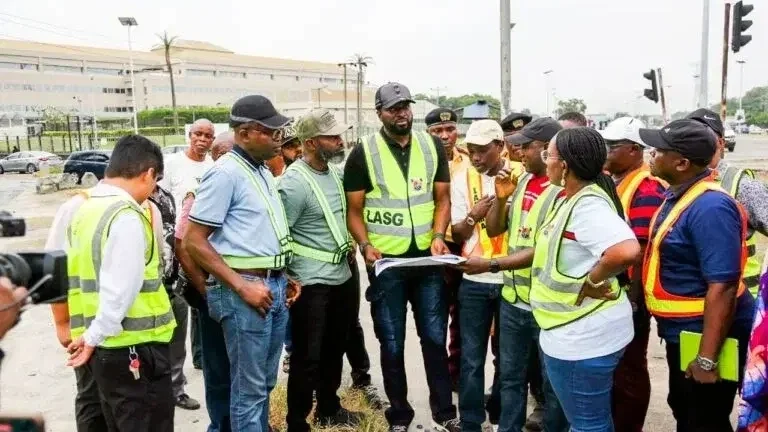
Lagos State Government has announced that it will begin a comprehensive rehabilitation of the Lekki-Epe Expressway
The Lagos State Government has announced that it will begin a comprehensive rehabilitation of the Lekki-Epe Expressway starting on 25 January 2026. This maintenance project, scheduled to last for 64 days, aims to address critical sections of the high-traffic corridor to improve travel times and long-term structural integrity.
Project Scope and Timeline
According to a statement from the Lagos State Ministry of Transportation, the rehabilitation exercise is part of the state’s broader commitment to maintaining vital infrastructure. The 64 day timeline indicates that work is expected to conclude in late March 2026. The government has identified specific segments of the expressway that require urgent pavement restoration and drainage clearance to prevent further deterioration during the upcoming rainy season.
The Lekki-Epe Expressway serves as the primary artery for the Lekki Free Trade Zone, the Dangote Refinery, and numerous residential estates. Consequently, the Ministry has emphasized that the repairs are essential to support the logistics and commercial activities that define the eastern axis of Lagos.
Traffic Management and Diversions
To minimize the impact on commuters and businesses, the Lagos State Government has developed a traffic management plan. The Ministry of Transportation revealed that the rehabilitation will be executed in phases to ensure that at least some lanes remain open to traffic during peak hours.
Lagos State Traffic Management Authority (LASTMA) officials will be deployed in increased numbers to manage the flow of vehicles and provide real-time guidance to motorists. The government has advised commuters to utilize alternative routes where possible and to factor in additional travel time for journeys through the Lekki Ajah corridor during this period.
Economic Implications for the Corridor
The Lekki Epe axis is one of the fastest-growing economic zones in Sub-Saharan Africa. While the 64 day duration may present temporary logistical challenges, the long term benefits of the rehabilitation are significant for property values and operational efficiency.
Infrastructure experts suggest that proactive maintenance of this corridor is vital for the sustainability of the multi-billion-naira investments located within the Lekki Peninsula. By addressing road defects now, the government mitigates the risk of catastrophic road failure, which would incur significantly higher repair costs and more prolonged economic disruptions.
The 64-day rehabilitation of the Lekki Epe Expressway represents a critical intervention in Lagos State’s urban infrastructure management. Although commuters should anticipate delays starting 25 January, the project is a necessary step in preserving the functionality of the state's most important economic gateway. Stakeholders and residents are encouraged to monitor official government channels for further updates on specific lane closures and traffic advisories as the project progresses.
