
Budget Analysis: ₦1.9bn Earmarked for Aso Rock Generators Despite Solar Project
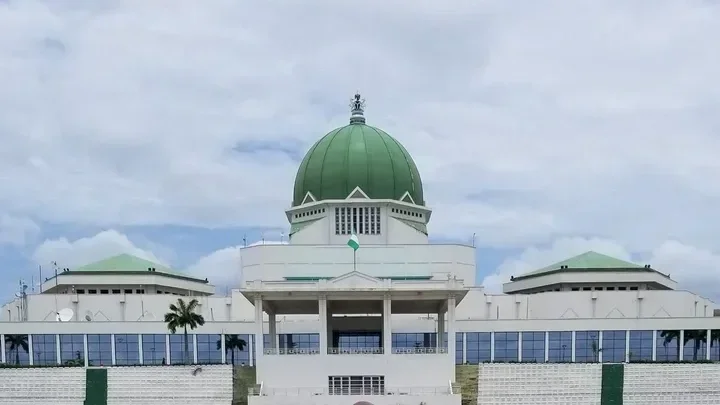
Aso Rock Villa
New details from the 2026 fiscal budget have revealed a significant overlap in energy expenditure at the State House, raising questions regarding the efficiency of the Federal Government's transition to renewable energy. According to an analysis of budget documents by Sahara Reporters, the Presidency has earmarked approximately ₦1.989 billion for the fueling and maintenance of generators at the Aso Rock Villa, even as ₦7 billion is allocated for the "solarisation" of the same facility.
The budget line item, listed under "State House Headquarters," allocates ₦1.989 billion specifically for "Plant and Generator fuel cost," with an additional ₦17.2 million set aside for generator maintenance. This brings the total projected expenditure for fossil-fuel-based power at the seat of government to approximately ₦2 billion for the 2026 fiscal year.
This allocation comes as a point of contention for policy analysts, given that the administration had already committed ₦7 billion in the same budget for a solar mini-grid project intended to provide sustainable energy to the Villa. This follows a previous ₦10 billion allocation for solarisation in the 2025 fiscal year. The continued reliance on multi-billion naira fuel budgets suggests a slow pace of transition to the very renewable infrastructure the government is funding.
From a housing and infrastructure policy perspective, this trend underscores a broader systemic challenge. While the Ministry of Housing and Urban Development, led by Ahmed Musa Dangiwa, continues to advocate for "urban renewal" and "green building" to address the national housing deficit, the federal government’s internal energy strategy remains heavily reliant on expensive, carbon-intensive backups.
Economically, the ₦1.9 billion fuel budget highlights the fiscal burden of energy instability. For investors and policymakers in the real estate sector, the high cost of powering government assets reflects the same "energy premium" that inflates construction costs and reduces the affordability of mass housing projects across the federation.
The Presidency has previously defended these solar investments as "strategic long term sustainability" measures. However, the concurrent rise in generator fuel costs suggests that the immediate relief to the national treasury and the promised reduction in carbon footprint may remain elusive in the near term.
