
Freight Agents Suspend Operations at Shipping Company Over Increased Charges
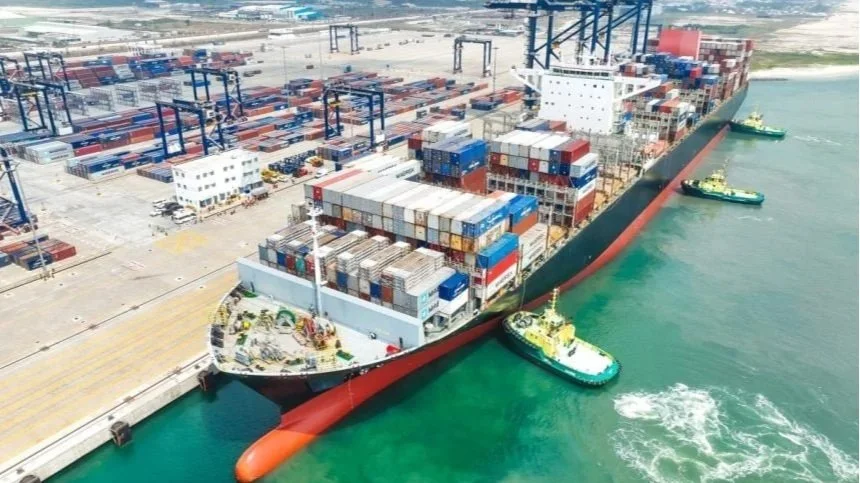
The suspension of operations by freight agents
Freight forwarding agents have withdrawn their services and suspended operations at the premises of a prominent shipping company in protest against a sudden upward review of service charges. The industrial action, which commenced following the announcement of the new tariff structure, has disrupted the clearing of goods and added fresh complications to the Nigerian maritime logistics chain.
Dispute Over Tariff Adjustments
The conflict stems from an increase in administrative and terminal charges, which the clearing agents describe as arbitrary and economically unsustainable. According to representatives of the freight forwarding associations, the new fees were implemented without sufficient stakeholder consultation or a requisite notice period. The agents argue that these incremental costs further strain the profit margins of importers and contribute to the rising cost of goods in the domestic market.
The protesting agents have blocked access to the shipping company’s facility, insisting that operations will remain suspended until the management reverses the price hike. They contend that the current economic climate, characterized by fluctuating exchange rates and high inflation, makes it impossible for the industry to absorb additional levies.
Impact on Port Logistics and Supply Chain
The suspension of activities at this facility has immediate implications for the efficiency of port operations. As cargo remains uncleared, the potential for port congestion increases, leading to secondary costs such as demurrage and storage penalties for importers. Industry analysts warn that if the dispute remains unresolved, the bottleneck could ripple through the broader supply chain, affecting the timely delivery of essential raw materials and consumer goods.
Furthermore, the standoff highlights the ongoing friction between service providers and port users in the Nigerian maritime sector. While shipping companies often cite rising operational costs and infrastructure maintenance as justifications for fee adjustments, agents demand greater transparency and regulatory oversight from the Nigerian Shippers' Council (NSC) to prevent unilateral price increases.
Regulatory Intervention and Resolution Efforts
The Nigerian Shippers’ Council, acting as the economic regulator of the ports, is expected to intervene to mediate the dispute. The Council's mandate includes ensuring that charges are cost-reflective and that service providers adhere to the regulated tariff framework. Historically, such interventions involve a review of the shipping company’s cost structure versus the impact on the national economy.
Stakeholders are calling for a more robust framework for tariff reviews to prevent recurring industrial actions. Proponents of reform suggest that a standardized consultation process would provide the predictability required for long-term logistics planning and investor confidence.
Forward Outlook
The suspension of operations by freight agents underscores the volatility within the logistics sector and the sensitive nature of maritime pricing. While the immediate focus remains on resolving the current standoff, the broader challenge involves balancing the commercial interests of shipping firms with the economic realities of the Nigerian market. The resolution of this dispute will likely serve as a precedent for future tariff negotiations within the industry, emphasizing the need for collaborative fiscal policy in the maritime domain.
