
Nasarawa Government Flags Off 430 Affordable Housing Units for Workers
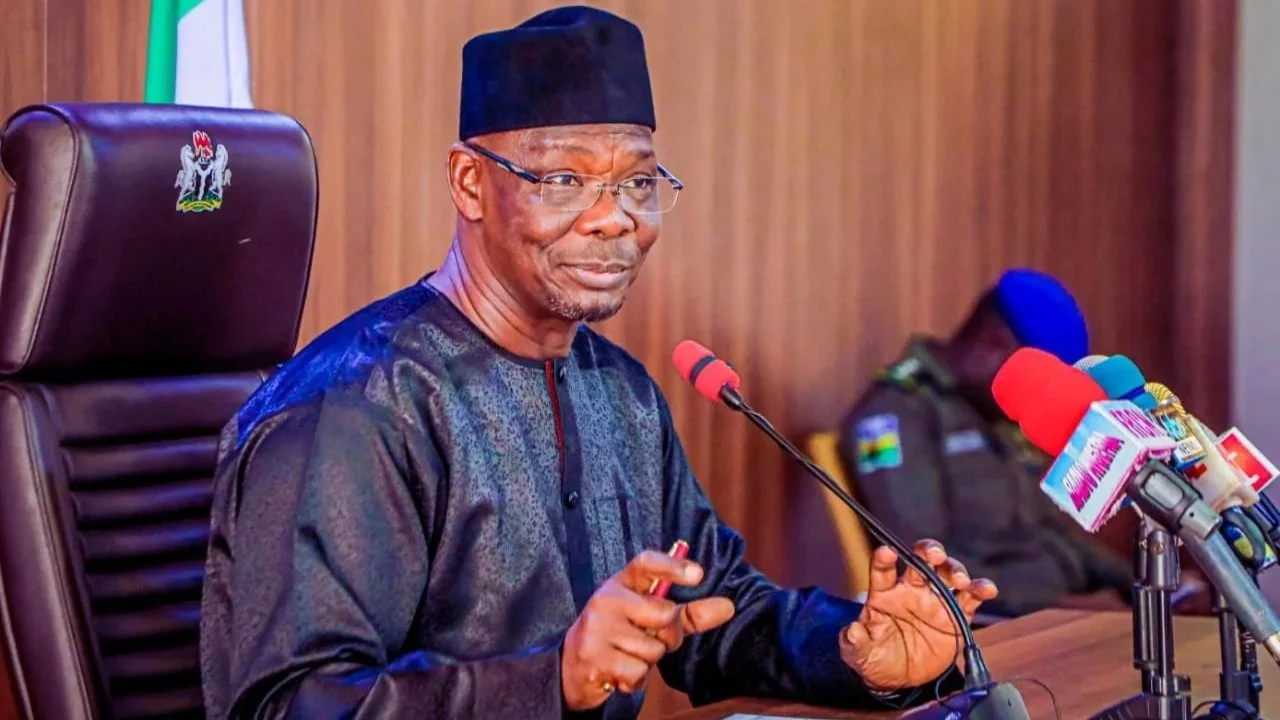
Nasarawa State Advances Workforce Welfare with 430 Affordable Homes
The Nasarawa State Government has officially commenced the delivery of 430 affordable housing units for public workers, aiming to address the acute housing gap among civil servants and strengthen institutional capacity for workforce retention. The housing initiative was formally flagged off by Abdullahi A. Sule, who emphasised its strategic importance for social welfare and economic stability in the state.
The project is positioned as a key component of the state’s broader agenda to improve quality of life, enhance public sector productivity and foster inclusive urban development.
Project Overview: Affordable Housing for Public Workers
The housing scheme encompasses 430 residential units designed specifically for Nasarawa State civil servants and public sector employees. The initiative targets workers across multiple ministry and agency cadres, offering accessible homeownership or long-term residency options in designated estates.
Governor Sule underscored that the state’s public workforce often faces barriers to secure and affordable housing, which can affect productivity, morale and staff retention. By allocating purpose-built housing, the government aims to reduce living cost burdens on workers and strengthen the socio-economic fabric of the state.
Targeted Benefits and Policy Goals
Affordable housing for workers aligns with broader policy objectives, including:
Enhancing employee welfare and stability: A secure home environment contributes to improved labour productivity and psychosocial wellbeing.
Closing the housing affordability gap: By offering subsidised or cost-effective housing options, the project addresses the shortage of affordable homes in urban and peri-urban Nasarawa.
Supporting urban planning and development: Planned housing delivery promotes orderly urban expansion and reduces informal settlement pressures.
These objectives reflect a policy emphasis on leveraging public-sector housing investment to achieve social and economic outcomes that extend beyond residential provision.
Funding and Implementation Framework
While specific financing details for the project have not yet been publicly disclosed, it forms part of the Nasarawa State Government’s ongoing capital investment programmes for infrastructure and social services. Such programmes traditionally combine state budget allocations, development partner support and possible public-private partnership (PPP) structures.
Governor Sule directed ministries and implementing agencies to ensure that construction adheres to quality, timeline and cost standards, with regular updates to stakeholders and labour unions representing workers who will benefit from the housing units.
Policy Context: Affordable Housing Deficit in Nigeria
Nigeria continues to grapple with a substantial affordable housing deficit, estimated in the millions of units, driven by rapid urbanisation, rising construction costs and limited mortgage finance penetration. Public-sector housing for key workforce segments remains one strategy governments are deploying to bridge part of this gap.
In the context of Nasarawa State, offering dedicated housing for public workers can serve as a model for other states looking to combine welfare policy with urban development initiatives.
Challenges and Forward Outlook
Key considerations for the project’s success include:
Delivery timelines and quality control: Effective project management and transparent reporting are critical to maintaining stakeholder confidence.
Financial sustainability: Ensuring that housing costs remain affordable without burdening state finances will require careful fiscal planning.
Scalability and replication: If successful, the model could be scaled or adapted for other worker segments, including private-sector employees.
Investment in affordable housing is increasingly recognised as pivotal for sustainable development. In Nasarawa, this project may contribute meaningfully to socio-economic stability and improved quality of life among public workers.
The official flag-off of 430 affordable housing units for public workers in Nasarawa State represents a strategic policy intervention designed to strengthen workforce welfare and advance urban development objectives. Governor Abdullahi A. Sule’s endorsement of the initiative highlights the government’s commitment to addressing housing affordability and enhancing institutional capacity.
As the project progresses, its outcomes may offer insights for policymakers, housing practitioners and investors interested in scalable affordable housing solutions across Nigeria.
