
Lagos Residents Face Intensifying Rent Crisis Amid Escalating Housing Costs
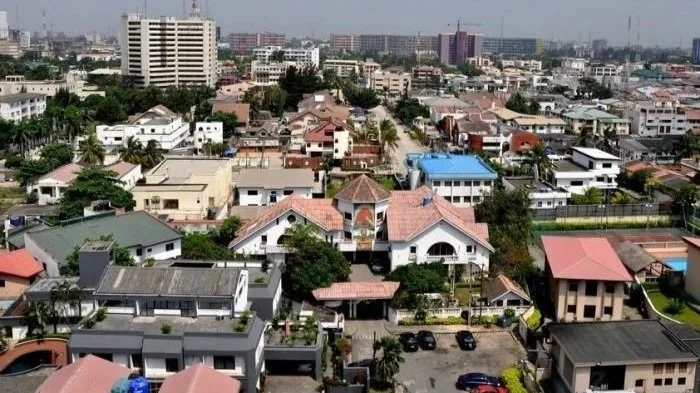
Lagos Housing Market Strains as Rental Costs Climb Sharply
Residents across Lagos are confronting steep increases in rental prices as landlords adjust rates upward in response to inflation, construction cost pressures, and persistent housing shortages. The surge, reported across both mainland and island districts, is compounding affordability challenges in Nigeria’s commercial capital and raising concerns about long-term housing stability in the state.
Rental Increases Spread Across Key Districts
Tenants in several parts of Lagos report significant rent hikes at renewal, with some increases ranging from 30 percent to over 100 percent depending on location and property type. Areas such as Lekki, Ikoyi, Yaba, Surulere, and parts of the mainland have experienced pronounced upward adjustments.
Landlords cite higher construction costs, currency volatility, and inflationary pressures as justification. According to the National Bureau of Statistics (NBS), Nigeria’s inflation rate has remained elevated in recent months, directly affecting building materials, maintenance expenses, and financing costs. Cement, steel, and imported finishing materials have all recorded price increases over the past year.
Property owners argue that rental revisions reflect cost recovery rather than speculative pricing. However, tenants describe the increases as abrupt and financially destabilising.
Inflation and FX Pressures Feed Housing Costs
Nigeria’s macroeconomic environment plays a central role in the rent escalation. The liberalisation of the foreign exchange market and naira depreciation have driven up the cost of imported construction materials and equipment. Developers and landlords operating with dollar-denominated loans or import-dependent supply chains face higher operating costs.
According to the Central Bank of Nigeria (CBN), exchange rate adjustments and monetary tightening measures have reshaped financing conditions. Higher interest rates have increased borrowing costs for developers, reducing new supply while raising break-even rental thresholds for completed properties.
The result is a compounding cycle: constrained supply meets sustained urban demand, pushing rental prices upward.
Persistent Housing Deficit in Lagos
Lagos, Nigeria’s economic hub with an estimated population exceeding 20 million, faces a longstanding housing deficit. Industry estimates frequently place Nigeria’s overall housing shortfall at over 17 million units, with Lagos accounting for a significant portion due to rapid urban migration.
Demand consistently outpaces supply in mid-market and affordable housing segments. While high-end developments continue in select districts, delivery of affordable units remains insufficient relative to population growth.
Urban planners warn that without accelerated housing production, regulatory reform, and infrastructure expansion, rental inflation will persist.
Tenant Burden and Social Implications
The rent surge places additional strain on households already coping with food inflation, transportation costs, and energy expenses. Many residents now allocate a disproportionate share of monthly income to housing, reducing disposable income and limiting savings capacity.
Some tenants report relocating to more distant suburbs to secure lower rents, increasing commute times and infrastructure pressure. Others negotiate shorter lease terms or shared housing arrangements to mitigate financial strain.
Housing advocates argue that clearer enforcement of tenancy laws and more structured rental frameworks could provide stability. However, regulatory intervention must balance tenant protection with investment incentives to avoid discouraging new development.
Implications for Investors and Policymakers
For investors, the current environment presents both opportunity and risk. Rising rents enhance yield potential in high-demand corridors. However, affordability constraints may limit long-term sustainability if wage growth fails to keep pace.
Institutional investors and developers may find opportunity in structured rental housing, build-to-rent schemes, and mid-income residential projects. Policymakers, meanwhile, face pressure to expand affordable housing programmes, streamline land administration, and reduce development bottlenecks.
Public-private partnerships and innovative financing models could play a role in increasing supply. Infrastructure expansion into peri-urban areas may also help rebalance demand concentration.
The escalation of rental prices across Lagos reflects deeper structural imbalances in Nigeria’s urban housing market. Inflation, exchange rate volatility, rising construction costs, and persistent supply deficits have converged to intensify affordability pressures.
Without coordinated policy reform and accelerated housing delivery, rental inflation is likely to remain elevated. For investors, developers, and policymakers, the current crisis underscores the urgent need to align housing supply strategies with the realities of Lagos’ rapid urban growth.
