
FG Says 7th Axial Road Will Ease Lekki Port Congestion and Strengthen National Logistic
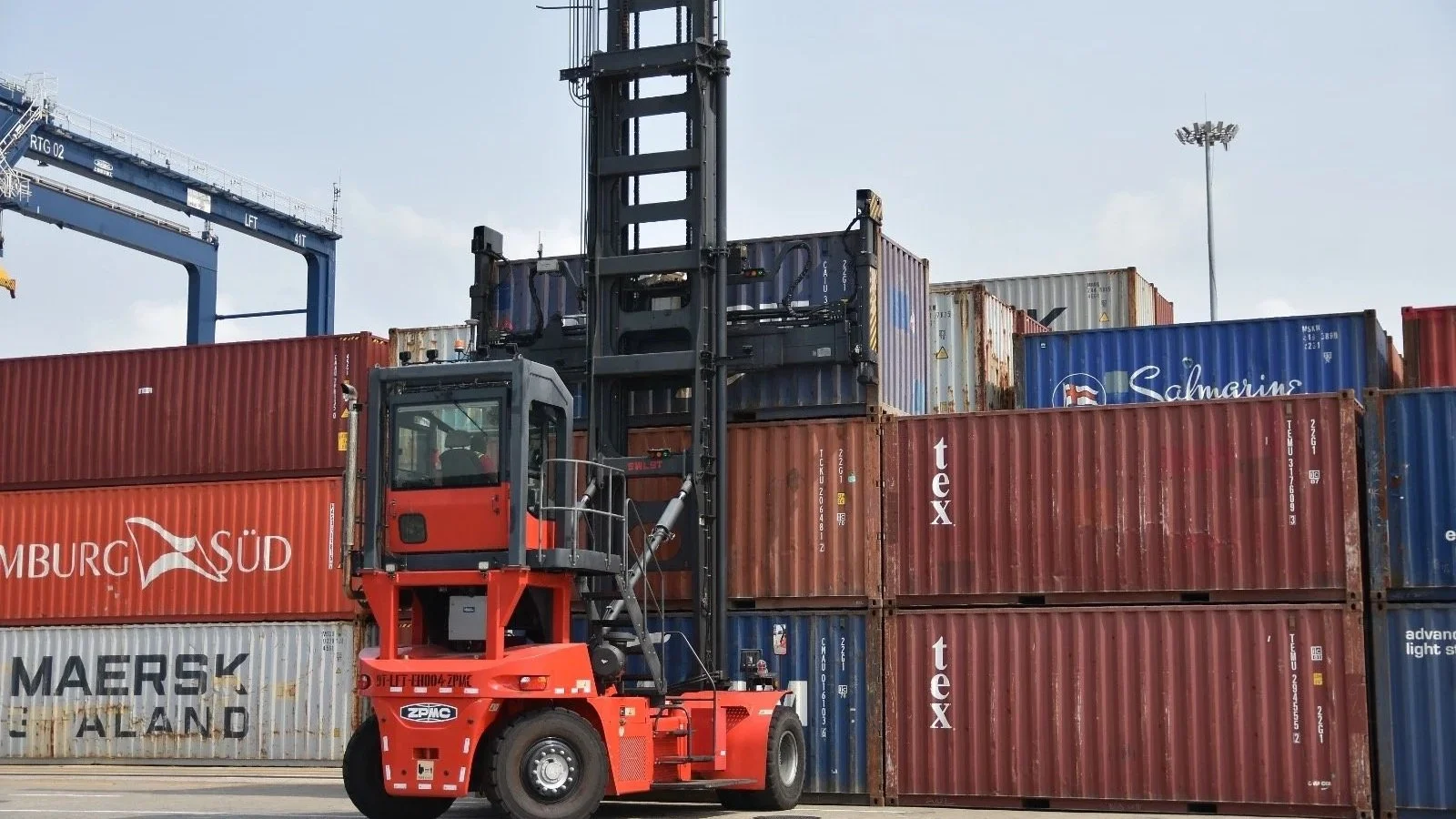
Nigeria Advances 7th Axial Road Project to Strengthen Port Access and Cargo Flow
The Federal Government has reaffirmed its commitment to the 7th Axial Road project in Lagos, positioning it as a strategic infrastructure corridor set to ease cargo congestion at the Lekki Deep Sea Port and Dangote Refinery and enhance Nigeria’s national logistics network. Officials say the highway will be a critical evacuation route for goods and a catalyst for industrial and economic growth once completed.
Minister of Works Dave Umahi described the corridor as essential for reducing transport bottlenecks around the Lekki industrial hub and for linking the port with major transportation arteries, including the Sagamu corridor and interior markets.
Strategic Economic Importance of the 7th Axial Road
The 7th Axial Road is conceived as a dedicated cargo evacuation and logistics corridor behind the Dangote Refinery and in proximity to the Lekki Deep Sea Port. According to the Federal Ministry of Works, the road is intended to reduce congestion on existing networks, support the seamless movement of goods and strengthen supply chains between Nigeria’s busiest maritime hubs and inland markets.
Officials affirm that this infrastructure aligns with broader national objectives of modernising transport systems to support economic diversification and industrial expansion. It is expected to boost logistic efficiency, lower transport costs and encourage further investment in the Lekki Free Trade Zone.
Project Implementation and Contractor Confidence
During an inspection tour of the ongoing works along the Lekki corridor, Minister Umahi reiterated confidence in China Harbour Engineering Company Limited (CHEC), the contractor executing the project. He highlighted the company’s track record, including its delivery of the Lekki Deep Sea Port project, and encouraged intensified on-site activities.
Umahi directed that roadbed filling works under Project Lot One be completed by the end of April, with increased deployment of manpower, equipment and materials to meet project timelines. Authorities also emphasised strict compliance with environmental and safety standards throughout the construction period.
Engineering and Environmental Considerations
The corridor crosses challenging terrain, including swampy areas around the Dangote Refinery route. Government officials have described this as an engineering hurdle that will require specialised technical expertise to ensure durability and long-term performance. The Ministry of Works stated that resource allocation and professional oversight are priorities as construction progresses.
Environmental and safety compliance remain central to implementation, with regulatory agencies urged to monitor ecological protection alongside engineering works. These actions aim to balance infrastructural development with sustainable environmental stewardship.
National Logistics and Economic Impact
Upon completion, the 7th Axial Road is expected to significantly improve cargo evacuation from the Lekki Deep Sea Port and Dangote Refinery, unlocking efficiencies that extend beyond Lagos into national and regional markets. Analysts anticipate that reduced port-side congestion will translate into more competitive logistics performance and lower transport costs for businesses.
Beyond easing transport challenges, the highway is poised to stimulate industrial activity along the Lekki-Epe corridor, attract foreign direct investment and contribute to Lagos’ status as a leading West African commercial hub.
Context: Funding and Strategic Alignment
The corridor forms part of a larger national infrastructure agenda. In 2025, the Federal Executive Council approved financing of approximately $651.7 million for the 7th Axial Road, recognising it as a major logistics investment linking the Lekki Deep Sea Port with southern and northern trade corridors.
The road’s strategic value lies in its ability to relieve pressure on existing port access routes and to establish a dedicated logistics outlet that supports export and import flows especially important given Nigeria’s expanding maritime and industrial operations.
The Federal Government’s 7th Axial Road project represents a decisive investment in Nigeria’s transport and logistics architecture. By facilitating cargo movement from the Lekki Deep Sea Port and adjacent industrial facilities, the corridor is expected to deliver long-term economic benefits, enhance commercial competitiveness, and help position Lagos as a central trade and industrial nexus in West Africa.
Stakeholders in the maritime, industrial and logistics sectors will continue to monitor project progress as construction advances and delivery targets are pursued.
