
Investor Calls for Government Industry Collaboration to Unlock Dormant Land Assets in Nigeria
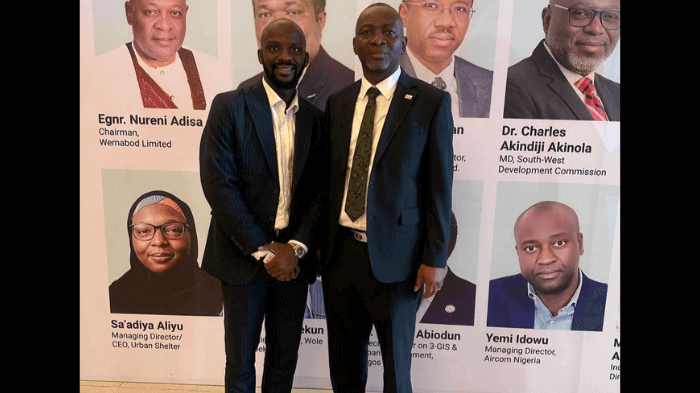
Unlocking Dormant Land Assets Key to Inclusive Housing, Investors Tell Policymakers
A leading real estate investor has urged stronger collaboration between government authorities and private sector stakeholders to unlock dormant land assets, emphasising that such cooperation is essential to stimulate infrastructure-led development, expand housing supply and accelerate sustainable urban growth. The appeal came at the 2026 WEMABOD Real Estate Outlook Conference, a key policy dialogue platform that brought together policymakers, developers and market analysts in Lagos.
Unlocking Dormant Land: Investment Opportunity and Policy Challenge
Rehoovoot Nigeria Limited, a Lagos-based real estate investment and consultancy firm, highlighted the persistent challenge of underutilised land assets that remain economically inactive due to planning constraints, limited infrastructure and lack of cohesive public-private strategies. According to Samuel Akinbinu, Managing Partner, unlocking these dormant land parcels would translate into significant infrastructure investments and inclusive housing outcomes.
Akinbinu explained that while land and infrastructure form the foundation for housing delivery, realising their full economic potential requires not only capital but strategic vision, structured planning and responsible advisory frameworks. Rehoovoot has built a reputation for identifying viable land assets, guiding compliant land-banking strategies and supporting developments that align with existing and planned infrastructure.
Conference Focus: Holistic Approach to Land and Housing
The conference, themed “Unlocking Land and Infrastructure for Inclusive Housing: A Regional Agenda for Sustainable Urban Growth,” emphasised the need for intentional, long-term policy frameworks that link land access, planning systems and investment strategies. Speakers underscored that Nigeria’s housing deficit and urban development challenges cannot be addressed in isolation from land governance and infrastructure financing.
Former Vice-President and conference keynote speaker Professor Yemi Osinbajo reinforced the point by citing historic examples of infrastructure-driven urban development, such as the Bodija Estate in Ibadan, where deliberately planned social mix and public infrastructure reduced living costs and improved accessibility for middle-income residents. He contrasted this with modern private estates where infrastructure costs are internalised by developers, driving up housing prices and limiting inclusion.
Broader Land Governance and Investment Considerations
Nigeria’s land sector has long been constrained by fragmented titling systems and low documentation rates. According to government and international estimates, only a small fraction of land in the country is formally registered, leaving billions of dollars in “dead capital” land that cannot be easily leveraged for credit or investment locked in underutilised holdings. National land reform initiatives aim to expand formal titling and modernise land administration to unlock this economic potential.
Industry stakeholders at the conference argued that public-private collaboration, improved land governance frameworks and strategic infrastructure investment can transform dormant land into productive assets that support inclusive housing, economic growth and investor confidence.
Toward Sustainable Urban Growth
For investors and policymakers, unlocking Nigeria’s dormant land assets represents a significant opportunity to expand housing supply, accelerate infrastructure development and stimulate value creation across the real estate sector. This will require coordinated government policies, enhanced regulatory frameworks, and sustained engagement with private capital providers.
