
Lagos Identifies Urban Renewal and Affordable Housing as Key Real Estate Opportunities in 2026
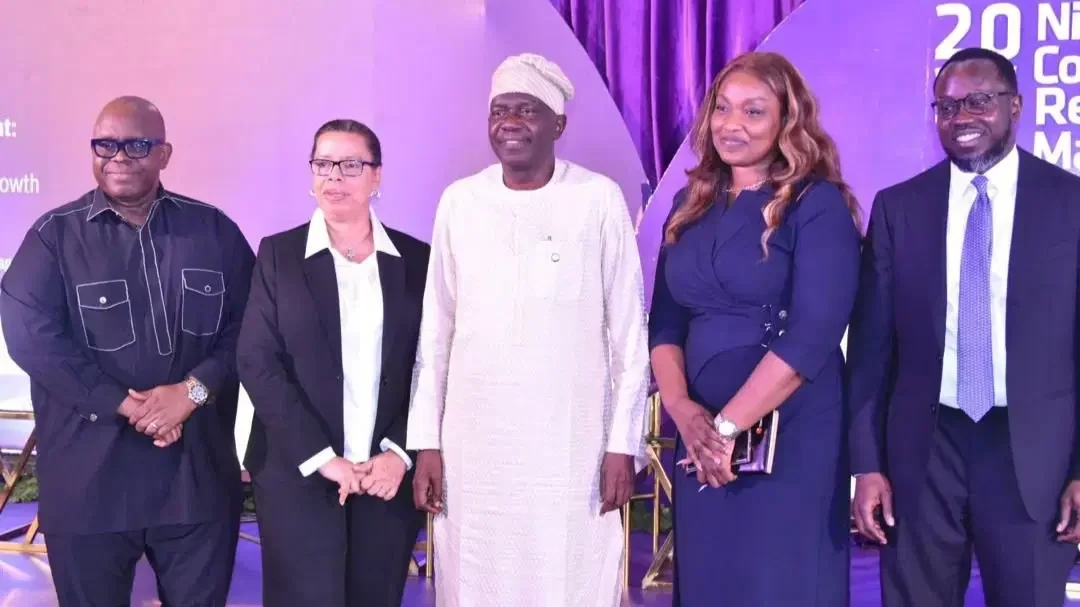
The Lagos State Government has highlighted new opportunities emerging in urban renewal, affordable housing, logistics, industrial parks, climate-resilient infrastructure and transit-oriented development, signalling a strategic shift in the real estate and construction landscape for 2026 and beyond. State officials presented these insights at the 2026 Nigeria Construction and Real Estate Market Outlook Forum in Lagos, hosted by the Royal Institution of Chartered Surveyors (RICS) Nigeria Group.
Strategic Focus on Urban Renewal and Affordable Housing
Moruf Akinderu-Fatai, Lagos State Commissioner for Housing, represented Governor Babajide Sanwo-Olu at the forum and emphasised that Lagos is positioning infrastructure delivery as a catalyst for profitable investment and sustainable development. The commissioner noted that while the outlook for Nigeria’s real estate and construction sectors is cautiously optimistic, stakeholders must focus on deliberate planning and coordinated policy implementation to unlock these opportunities.
Akinderu-Fatai framed infrastructure not as an “accessory to growth” but as its “architecture,” determining where value is created, how cities expand, and whether growth is inclusive or resilient. With Lagos being Africa’s largest city and Nigeria’s economic hub, accommodating thousands of new residents daily presents both pressure and potential provided infrastructure is planned ahead of demand rather than in response to it.
Urban Renewal and Transit-Oriented Development
The forum highlighted urban renewal as an emerging source of investment and development value particularly where partnerships between public authorities and the private sector can drive redevelopment of existing urban fabric. Transit-oriented development (TOD) was also cited as a strategic opportunity, linking transport infrastructure to mixed-use real estate projects that can reduce congestion, enhance accessibility and unlock value in adjacent properties.
Officials also reaffirmed the importance of climate-resilient infrastructure including urban drainage, flood mitigation systems and resilient building practices as essential to sustainable housing delivery and long-term asset preservation in the face of climate risk.
Affordable Housing Within a Broader Policy Framework
Affordable housing remains a central theme in Lagos’s real estate agenda as demand continues to outstrip supply. Analysts note that the state’s housing deficit part of a national shortage measured in millions of units has placed sustained pressure on both ownership and rental markets, particularly amid high construction costs and financing constraints.
To address this gap, Lagos has increasingly emphasised public-private partnerships (PPPs), leveraging private investment alongside government support to scale housing delivery and infrastructure. Research indicates that bridging the housing deficit could require hundreds of thousands of new units annually, supported by innovative financing, regulatory clarity and robust planning systems.
Strengthening Institutional Capacity and Planning
Commissioner Akinderu-Fatai assured that the Lagos State Government is committed to providing a stable policy environment, data-driven planning systems and enhanced collaboration with private sector actors and professional bodies. The emphasis on institutional strengthening is intended to reduce policy volatility and fragmentation, which can deter investment and impede execution of long-term real estate projects.
Speakers at the forum, including Tayo Odunsi, Chairman of the RICS Nigeria Group, underscored the interconnectedness of construction, real estate and economic development and identified conviction, access to patient capital and effective project execution as essential pillars for sector growth.
Market Implications and Forward Outlook
For investors and developers, Lagos’s evolving real estate landscape presents diversified opportunities beyond traditional residential and commercial projects. Urban renewal and transit-oriented development offer new corridors for value creation, while climate-adapted infrastructure and industrial land positions Lagos to benefit from broader economic diversification.
However, stakeholders emphasised that a disciplined policy environment, coordinated public-private engagement and proactive infrastructure investment will be critical to unlocking these opportunities and ensuring that real estate development contributes meaningfully to inclusive, resilient urban growth
