
Nigeria to Begin Sale of Selected State-Owned Assets in 2026, Finance Minister Says
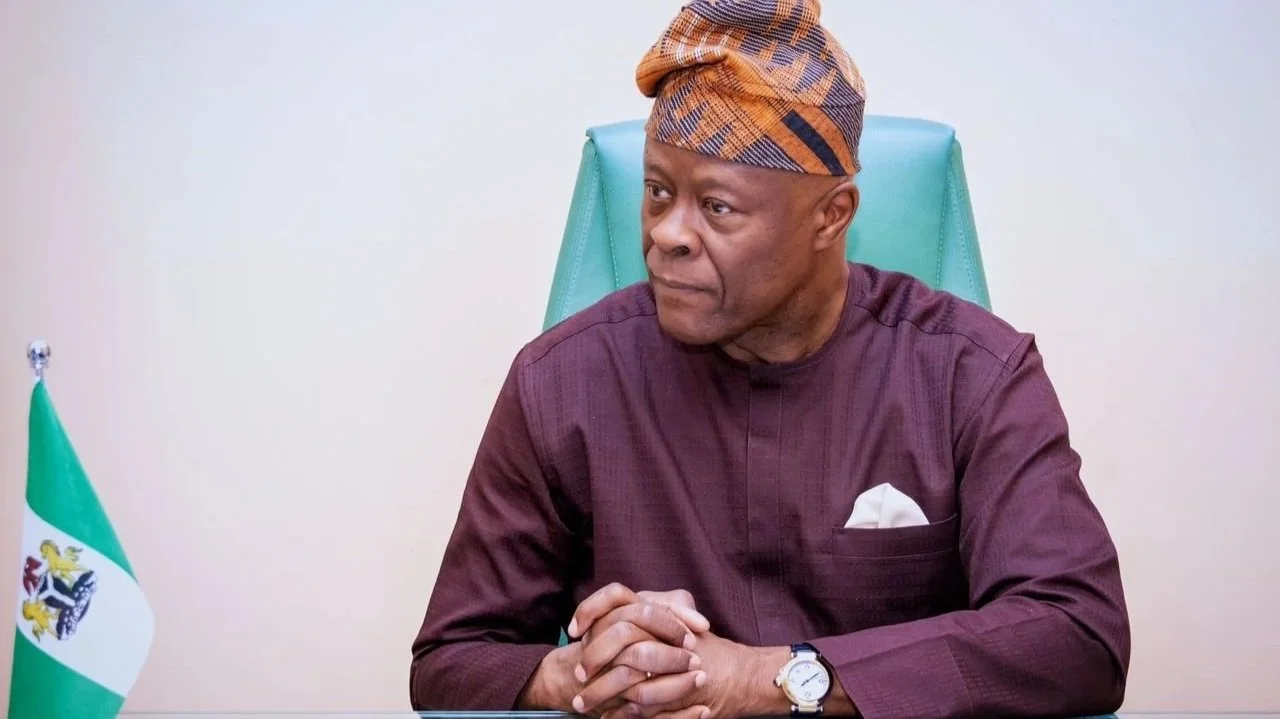
Wale Edun Confirms 2026 Asset Sales to Boost Private Investment
The Federal Government of Nigeria will commence the sale of selected state-owned assets to private investors in 2026, the Minister of Finance and Coordinating Minister of the Economy, Mr. Wale Edun, announced this week. The move forms part of a broader economic reform agenda designed to deepen private sector participation, attract capital inflows and strengthen the nation’s macroeconomic framework.
Strategic Asset Sales to Drive Investment
Mr. Edun disclosed the government’s intentions on the sidelines of the AlUla Conference for Emerging Market Economies in Saudi Arabia. Speaking to international media, including Bloomberg, he said authorities are currently reviewing the federal asset portfolio to determine which entities will be offered for sale, as well as the timeline and transactional structure for the divestments planned for later this year.
Edun emphasised that the planned sales are not ad hoc but are anchored in Nigeria’s ongoing reform programme a suite of measures aimed at improving fiscal discipline, enhancing investor confidence and bolstering long-term growth prospects. “The plan is to offer some assets in 2026,” the finance minister stated, adding that recent reforms have positioned Nigeria to become a more competitive and attractive destination for investment.
Reforms Underpinning the Initiative
The asset sales form part of the Tinubu administration’s broader economic strategy, which includes several far-reaching reforms enacted since May 2023. Major measures include the removal of petrol subsidies, liberalisation of the foreign exchange market, and broad-based tax reforms designed to increase government revenues and reduce persistent fiscal deficits. Edun noted that these reforms have contributed to moderating inflationary pressures, strengthening government revenue streams and stabilising the naira, thereby improving the investment climate.
Beyond revenue generation, the initiative is structured to optimise government assets by inviting private-sector expertise and capital to drive efficiency and operational improvements. Mr. Edun pointed to the government’s interest in public-private partnerships (PPPs) as a key framework for accomplishing this objective, with private investors expected to play a pivotal role in enhancing productivity and expanding infrastructure across strategic sectors.
Asset Identification and Sale Process
While specific assets have not yet been publicly listed, the government has indicated that the process will prioritise transparency and value creation to build and sustain investor confidence. Preparatory work, Mr. Edun said, is already underway to ensure that the asset sales are conducted in a credible and investor-friendly manner.
Analysts expect that assets across various sectors including energy, infrastructure, agriculture and potentially non-core public enterprises could be considered under the divestment programme, but official confirmation and details are likely to emerge as the government finalises its portfolio reviews and timelines.
Economic Significance and Policy Implications
The planned asset sales are expected to have several key implications:
Capital Inflows: Leveraging private investment is projected to inject fresh capital into the economy, supporting productivity and expansion.
Fiscal Relief: With Nigeria facing significant budgetary pressures including a projected ₦25 trillion budget deficit proceeds from asset sales could provide critical support in narrowing fiscal gaps.
Private Sector Confidence: By prioritising transparency and partnerships, the government aims to reinforce investor trust and position Nigeria as a viable investment destination on the global stage.
Forward Outlook
As the Federal Government moves to operationalise its asset sales roadmap, details on the specific assets targeted, sale mechanisms and expected timelines will be closely watched by domestic and international investors alike. The initiative represents a strategic shift toward market-driven asset management and reflects Nigeria’s continuing evolution toward a more inclusive, private-sector-led growth model.
