
Nigeria Adopts Technology-Driven Monitoring to Detect Illicit Financial Flows
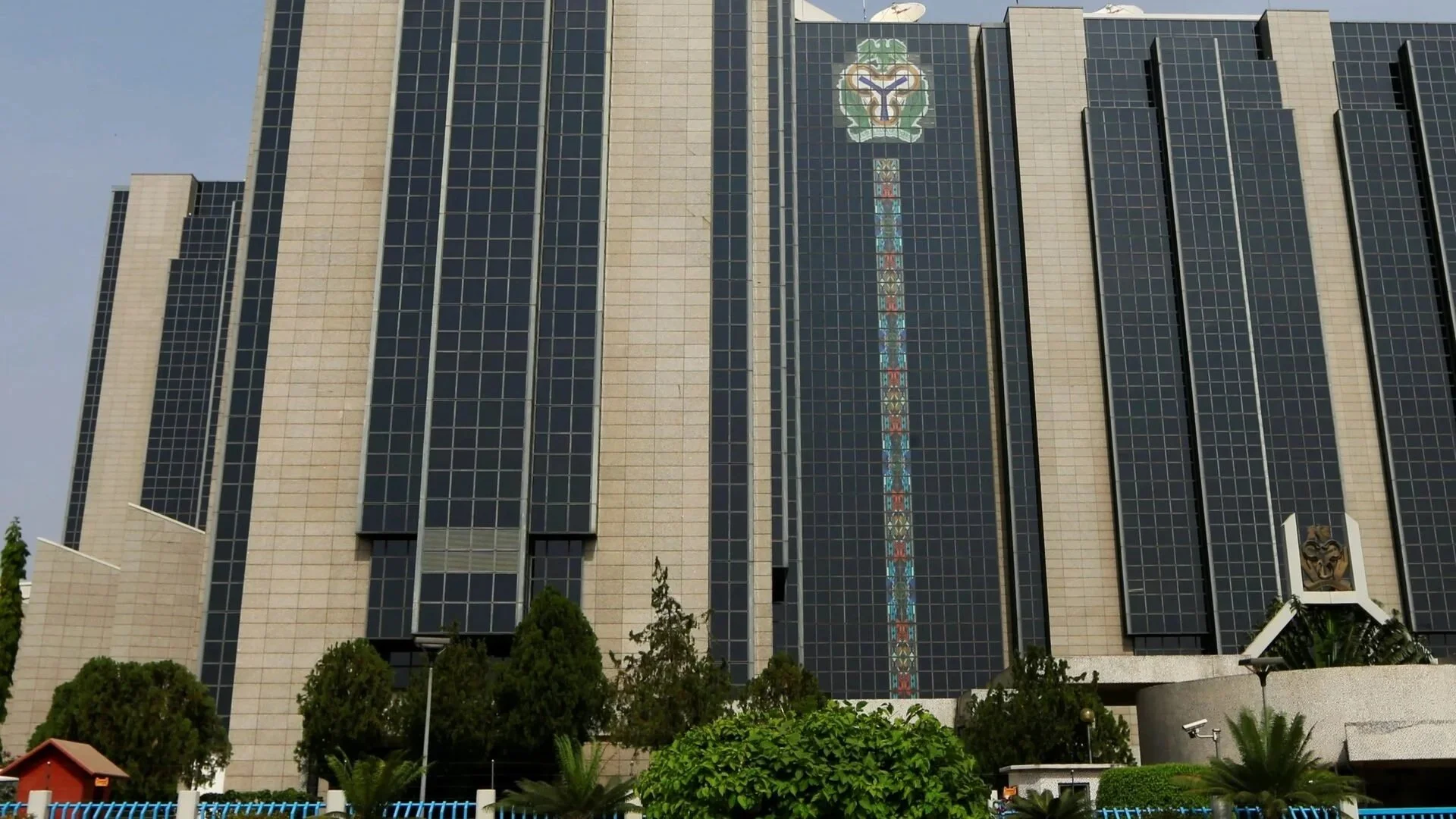
The Central Bank of Nigeria (CBN) has introduced new regulatory measures aimed at strengthening the country’s anti-money laundering (AML) framework and improving the detection of suspicious financial transactions across the banking and fintech sectors.
The directive was issued in a circular dated March 10, 2026, and addressed to banks, mobile money operators, international money transfer operators, payment service providers and other financial institutions operating within Nigeria’s financial system.
According to the apex bank, the new rules require financial institutions to adopt automated anti-money laundering monitoring systems capable of identifying suspicious transactions in real time.
Technology-Driven Monitoring Requirements
Under the new guidelines, regulated institutions must deploy advanced technological tools designed to strengthen transaction monitoring and improve compliance with Nigeria’s financial crime regulations.
The automated systems are expected to detect irregular transaction patterns, flag potentially illicit financial flows, and support reporting obligations to relevant regulatory authorities.
Regulators say the move reflects a broader shift toward technology-driven financial supervision, particularly as Nigeria’s digital payments ecosystem continues to expand rapidly.
The systems are also expected to improve coordination between financial institutions and law-enforcement agencies responsible for combating financial crimes.
Expanded Scope Across Financial Institutions
The directive applies to a wide range of regulated entities, including:
Deposit money banks
Mobile money operators
International money transfer operators
Payment service providers
Other financial institutions regulated by the CBN
By extending the requirement across multiple segments of the financial system, regulators aim to close compliance gaps that may have allowed illicit transactions to move between institutions undetected.
The new measures also reinforce existing Know Your Customer (KYC) and customer due-diligence obligations designed to prevent criminals from exploiting financial services for money laundering or terrorism financing.
Strengthening Nigeria’s Financial Integrity
Financial regulators say the updated rules are part of broader efforts to strengthen Nigeria’s financial integrity and align the country with global standards on anti-money laundering and counter-terrorism financing.
Nigeria has faced increasing scrutiny from international financial watchdogs in recent years, prompting regulators to tighten oversight and enhance compliance frameworks across the banking sector.
Technology-enabled monitoring systems are expected to play a critical role in identifying suspicious financial activity, particularly within Nigeria’s fast-growing digital payments and fintech ecosystem.
Implications for Banks and Fintech Firms
The new rules are likely to require additional compliance investments from financial institutions, particularly in areas such as transaction monitoring technology, data analytics and regulatory reporting systems.
Banks and fintech companies may also need to strengthen internal compliance teams and risk-management frameworks to ensure full adherence to the updated regulatory requirements.
However, industry analysts say stronger anti-money laundering controls could improve investor confidence in Nigeria’s financial system and support the country’s long-term financial sector stability.
Outlook
The introduction of technology-driven AML regulations signals a more proactive regulatory approach by the CBN as digital financial services expand across the country.
For financial institutions, the new rules underscore the growing importance of robust compliance systems and real-time monitoring capabilities in safeguarding the integrity of Nigeria’s financial system and preventing illicit financial flows.
