
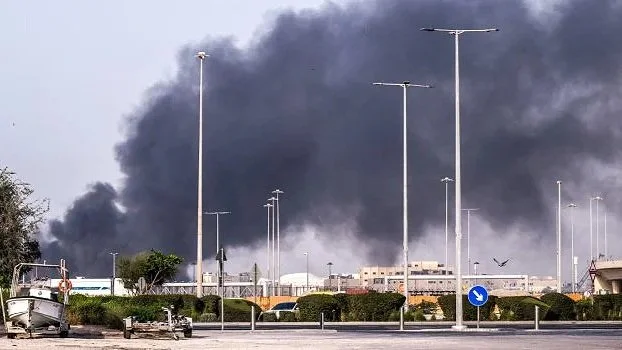
Nigeria Reviews Economic Policies as Global Tensions Rise
Nigeria’s Federal Government has indicated that it may adjust economic policies if escalating geopolitical tensions in the Middle East begin to transmit significant shocks to the country’s economy.
The Federal Ministry of Finance said authorities are closely monitoring developments in the region particularly the conflict involving the United States, Israel and Iran and assessing potential implications for Nigeria’s macroeconomic stability.
In a statement issued by the ministry’s Assistant Director of Information and Public Relations, Uloma Amadi, the government said it remains committed to safeguarding the country’s economic outlook amid rising global uncertainty.
Government Monitoring Global Economic Risks
Officials said the crisis could affect Nigeria through several channels, including energy markets, international trade flows, and capital movements.
“The Federal Government of Nigeria is closely monitoring escalating geopolitical tensions in the Middle East… and remains committed to safeguarding Nigeria’s economic stability,” the ministry stated.
Authorities noted that prolonged geopolitical instability could introduce volatility into global commodity markets, financial markets and supply chains, all of which could influence Nigeria’s economic performance.
The development has prompted Nigeria’s Economic Management Team (EMT) to review possible policy responses that could help mitigate potential external shocks.
Oil Price Volatility and Fiscal Implications
Nigeria’s economy remains heavily linked to global oil markets, making it particularly sensitive to geopolitical events in major energy-producing regions.
Rising tensions in the Middle East could drive higher crude oil prices, potentially boosting export revenues for oil-producing countries such as Nigeria. However, analysts note that the country’s continued reliance on imported refined petroleum products could limit the fiscal benefits of higher crude prices.
Higher oil prices can also increase domestic fuel costs, which may contribute to inflation and raise transportation and logistics expenses across the economy.
Potential Policy Responses
Although specific measures have not yet been announced, economic policymakers are expected to evaluate several options aimed at preserving macroeconomic stability.
Possible policy adjustments could include:
Fiscal policy measures to manage revenue volatility
Monetary policy responses to inflationary pressures
Strategic adjustments to energy and fuel supply policies
Measures to stabilise the foreign exchange market
Analysts say such interventions could become necessary if global market volatility intensifies or if the crisis disrupts energy supply chains.
Broader Economic Context
Nigeria’s economy has undergone significant reforms in recent years, including the removal of petrol subsidies and adjustments to foreign exchange policies aimed at strengthening fiscal sustainability and attracting investment.
While these reforms have improved government finances and investor confidence in some areas, the country remains vulnerable to external shocks, particularly those affecting oil markets and capital flows.
The potential spillover effects of the Middle East conflict therefore present a new test for Nigeria’s economic policy framework.
Outlook
For now, the government says it is maintaining close surveillance of global economic developments and will act if conditions warrant policy adjustments.
The situation underscores the importance of economic diversification and strengthened domestic production capacity, which analysts say are essential for reducing Nigeria’s vulnerability to geopolitical disruptions and global commodity market volatility.
