
CBN governor says Nigeria prepared for shocks from Middle East conflict
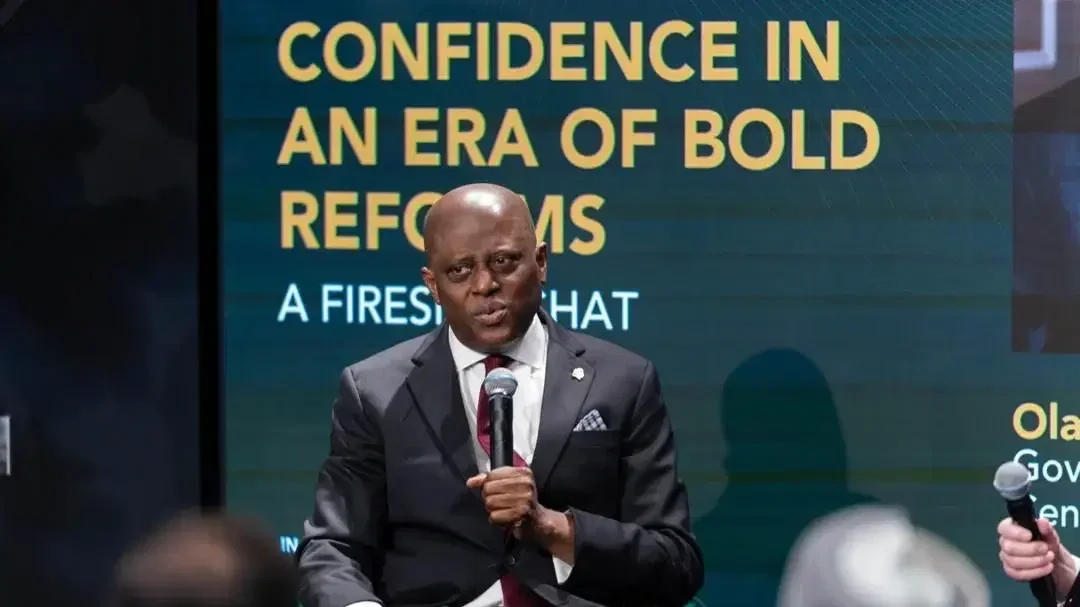
Nigeria positioned to absorb shocks from US-Iran conflict
Nigeria’s economy is positioned to withstand potential shocks arising from escalating tensions between the United States and Iran, according to Central Bank of Nigeria (CBN) Governor Olayemi Cardoso. Cardoso stated that recent macroeconomic reforms have strengthened the country’s financial system, improved foreign exchange liquidity, and enhanced investor confidence.
Cardoso highlights resilience from economic reforms
Cardoso explained that reforms implemented by the Central Bank have helped stabilise Nigeria’s financial environment and improve the functioning of key markets.
According to him, the foreign exchange market has become more liquid and efficient, reducing distortions that previously affected currency trading.
He noted that a backlog of unmet foreign exchange demand had been cleared, enabling market participants to transact more freely without relying heavily on extraordinary interventions by the central bank. These developments, he said, have strengthened the economy’s ability to absorb external shocks.
The CBN governor made the remarks while delivering a Distinguished Alumni Lecture during the Founders’ Day celebration of St Gregory’s College in Lagos.
Global tensions and economic risks
Cardoso’s comments come amid heightened geopolitical tensions linked to the US-Iran conflict, which has raised concerns about disruptions to global energy markets and trade flows.
Escalating hostilities in the Middle East have already contributed to rising oil prices and increased volatility in international financial markets. Analysts warn that prolonged conflict could disrupt global supply chains and trigger inflationary pressures across several economies.
For Nigeria, an oil-producing nation that depends heavily on crude exports for foreign exchange earnings, global oil price movements and geopolitical developments often have significant economic implications.
Improvements in capital inflows and investor confidence
Cardoso also pointed to improving capital inflows into Nigeria, noting that investor sentiment has strengthened in recent months as policy reforms take effect.
He stated that greater transparency in the foreign exchange market and the removal of certain distortions have contributed to renewed investor interest in Nigeria’s financial markets.
These reforms form part of broader efforts by policymakers to stabilise the naira, strengthen monetary policy credibility, and attract foreign investment into the Nigerian economy.
Nigeria’s economic buffers
Economists note that Nigeria’s resilience to global shocks depends on several factors, including:
Stronger foreign exchange management
Increased domestic refining capacity
Diversification of export revenues
Improved fiscal and monetary policy coordination
Recent reforms in Nigeria’s financial sector aim to create buffers against external volatility, particularly during periods of geopolitical instability.
Outlook
While the evolving US-Iran conflict continues to generate uncertainty in global markets, Nigerian policymakers maintain that ongoing reforms have strengthened the country’s macroeconomic foundation.
According to Cardoso, maintaining disciplined economic management and deepening financial market reforms will be critical to ensuring that Nigeria’s economy remains resilient in the face of external shocks.
