
Developers struggle as construction costs surge in Nigeria
Rising prices of building materials are increasingly constraining Nigeria’s real estate sector, slowing housing delivery and raising property prices across major cities. Developers say escalating costs for key construction inputs such as cement, steel, sand, and wood are making many projects financially unviable, delaying new developments and worsening the country’s housing deficit. According to industry stakeholders, the surge in material costs has become one of the biggest challenges to housing supply in Nigeria.
Cement prices drive construction costs higher
The rising cost of cement remains one of the most significant pressures on real estate development.
Industry data show that the price of a 50kg bag of cement, which sold for around ₦7,500 in the last quarter of 2025, increased to between ₦9,000 and ₦10,000 at the start of 2026. Prices have continued to rise further, reaching ₦11,500 to ₦15,000 in several parts of the country, according to market observations.
Developers say the sharp increase has disrupted project budgets and forced some investors to delay or scale down construction plans. Cement is widely regarded as the most critical construction input because it is used in almost every stage of building, from foundations to finishing works.
Industry analysts note that building materials account for 35 percent to 75 percent of total construction costs, meaning any price spike directly affects the overall cost of property development.
Other building materials also record sharp increases
Beyond cement, other essential construction materials have also recorded notable price increases.
According to industry stakeholders:
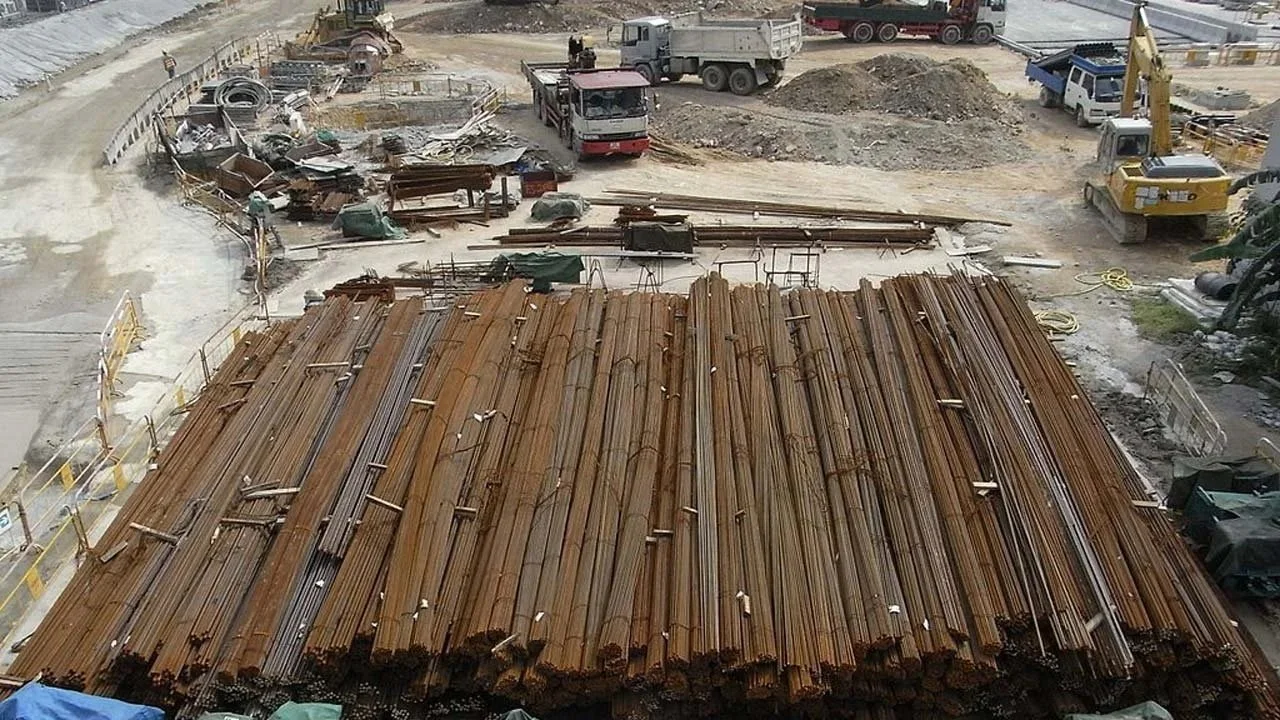
Steel prices have increased by about 20 percent
Sharp sand prices have risen by around 25 percent
Prices of wood, granite, and finishing materials have also climbed steadily
These increases have added pressure to developers already dealing with high financing costs and regulatory challenges.
Higher construction costs are also translating into rising housing prices and rents, particularly in major urban centres where housing demand remains strong.
Experts say the ripple effect of higher input costs is now visible across Nigeria’s property market.
Impact on housing affordability
Rising construction costs are directly affecting housing affordability for Nigerians.
Developers note that as building costs increase, the final selling price of homes must also rise to maintain project viability. This trend has contributed to higher property prices and rental costs across many cities.
Housing experts warn that the surge in material costs could further widen Nigeria’s housing deficit, which already affects millions of households nationwide.
Professor Timothy Nubi, founding director of the Centre for Housing and Sustainable Development at the University of Lagos, noted that the increase in input costs is already reflected in housing and rental prices across the country.
Factors driving building material inflation
Several structural factors are contributing to the rising cost of construction materials in Nigeria.
Key drivers include:
Currency depreciation:
The weakening of the naira has increased the cost of imported construction inputs and machinery.
Energy and transportation costs:
High diesel and logistics costs have increased the cost of manufacturing and transporting building materials.
Supply chain constraints:
Disruptions in local and global supply chains continue to affect the availability of construction inputs.
Inflation and production costs:
Manufacturers face rising energy prices and operational costs, which are passed on to consumers.
These pressures have collectively pushed construction costs higher across the sector.
Implications for the real estate sector
The surge in building material prices is having several consequences for Nigeria’s property market:
Delayed housing projects: Developers are postponing construction due to cost uncertainty.
Higher property prices: Increased development costs translate into more expensive homes.
Reduced housing supply: Fewer projects are launched, tightening housing availability.
Investor caution: Rising costs make project financing more complex and risky.
These trends could slow growth in the real estate sector, which is a key contributor to Nigeria’s economy and urban development.
Outlook
Nigeria’s real estate sector continues to offer long-term growth opportunities driven by urbanisation and population growth. However, stakeholders warn that addressing the rising cost of building materials will be essential to sustaining development.
Industry experts say policy measures aimed at improving local production, stabilising the exchange rate, and reducing logistics costs could help moderate construction expenses and support housing delivery.
Without such interventions, developers caution that high construction costs may continue to slow investment in housing projects and deepen the country’s housing shortage.
