
Oil crosses $100 per barrel as Middle East tensions disrupt energy supply
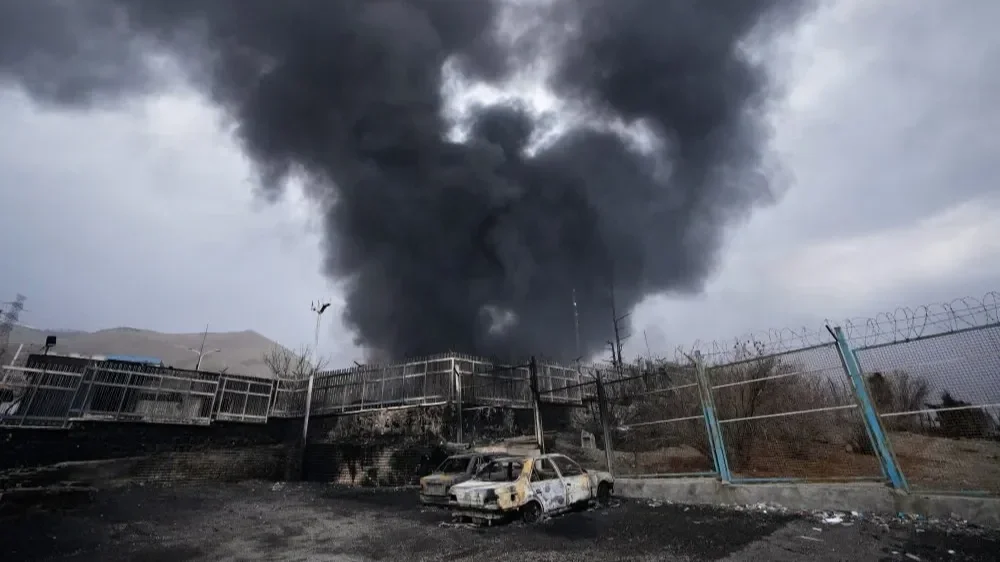
Middle East war anxiety grows as oil prices hit $100 per barrel
Global oil prices have surged past $100 per barrel as escalating conflict in the Middle East heightens fears of major disruptions to global energy supply. The spike follows intensifying military confrontations involving Iran, the United States, and Israel, which have disrupted shipping routes and energy infrastructure across the region.
Energy analysts warn that continued hostilities could push prices even higher, raising inflation risks and triggering broader economic volatility in global markets.
Oil prices surge amid supply disruption fears
Crude oil prices climbed above the $100 per barrel threshold, marking one of the highest levels since 2022 and reflecting growing uncertainty in global energy markets.
Market data show Brent crude trading slightly above $100, with prices rising sharply during the week as traders reacted to geopolitical tensions and the risk of supply shortages.
Industry observers attribute the surge to attacks on oil infrastructure and shipping routes in the Middle East, which supplies a significant portion of global crude exports. The region remains central to international energy markets, and disruptions there typically trigger rapid price increases.
Strait of Hormuz crisis intensifies market concerns
A key factor driving the oil price rally is the disruption of shipping through the Strait of Hormuz, one of the world’s most critical energy transit routes.
Approximately 20 percent of global oil supply normally passes through the strait, linking major producers in the Gulf to international markets.
Recent military tensions and threats to commercial vessels have significantly reduced tanker traffic, with many shipping companies suspending operations due to security concerns. The disruption has heightened fears that prolonged instability could restrict oil exports from key producers such as Saudi Arabia, the United Arab Emirates, and Iraq.
Analysts say even temporary interruptions in shipments from the Gulf can have immediate effects on global energy prices.
Attacks on energy infrastructure worsen supply fears
In addition to shipping disruptions, attacks targeting energy infrastructure across the region have compounded supply risks.
Iranian strikes reportedly targeted economic facilities and energy installations in several Middle Eastern countries, damaging storage facilities and disrupting oil shipments.
Earlier incidents also included a drone attack on a major Saudi refinery at Ras Tanura, which temporarily halted operations and triggered further volatility in oil markets.
These incidents have reinforced market concerns that the conflict could expand into a broader regional crisis affecting multiple energy-producing countries.
Global economic implications
The surge in oil prices is already affecting financial markets and raising concerns about inflation.
Rising energy costs typically increase transportation and manufacturing expenses, which can translate into higher consumer prices worldwide. Analysts warn that if oil prices remain elevated for an extended period, the global economy could face stagflation risks, where inflation rises while economic growth slows.
Financial markets have also reacted to the uncertainty. Major stock indices declined amid investor concerns about the economic consequences of prolonged geopolitical conflict.
To stabilise markets, the International Energy Agency (IEA) and several governments have considered releasing emergency crude supplies from strategic reserves.
Implications for oil-importing economies
Countries heavily dependent on imported fuel may face significant fiscal pressure if oil prices remain above $100 per barrel.
Higher crude prices typically translate into rising costs for petrol, diesel, aviation fuel, and cooking gas. For many emerging economies, this could widen trade deficits and place additional strain on government budgets that subsidise fuel consumption.
Energy analysts note that the current price spike reflects not only immediate supply disruptions but also uncertainty about how long the conflict will continue.
Outlook
The return of oil prices to triple-digit levels highlights the vulnerability of global energy markets to geopolitical shocks.
While emergency supply releases and diplomatic efforts may stabilise prices in the short term, the trajectory of oil markets will largely depend on whether the Middle East conflict escalates or de-escalates in the coming weeks.
For policymakers and investors, the developments underscore the strategic importance of energy security and the risks associated with disruptions in one of the world’s most critical oil-producing regions.
