Building Collapse: Banjoko Urges Stronger Standards and Cheaper Cement
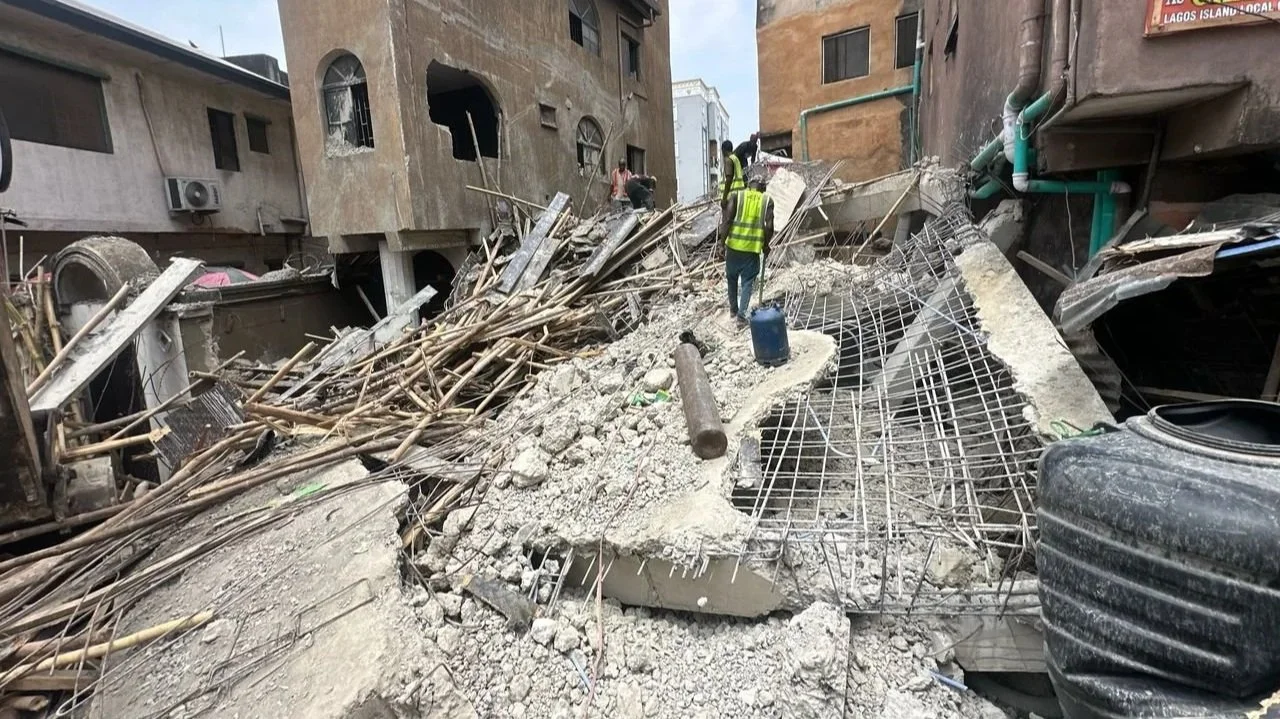
Banjoko Urges Tighter Construction Standards to Curb Building Collapse
Former President of the National Association of Block Moulders of Nigeria, Adesegun Banjoko, has called for stronger enforcement of construction standards and lower cement prices as part of efforts to address recurring building collapses across Nigeria.
/ You Might Also Like /




Speaking in an interview with the News Agency of Nigeria (NAN) in Lagos, Banjoko said recent building collapses in different parts of the country were largely linked to the use of poor-quality materials and weak compliance with construction standards. He argued that the challenges facing the sector should not be attributed solely to the skills of artisans.
Poor Materials and Weak Compliance Remain Concerns
Banjoko said the construction sector continues to face challenges around the quality of materials used in building projects and the level of compliance with established standards.
He said artisans remain relevant to Nigeria's construction industry despite advances in building technology, but stressed that integrity and adherence to standards across the construction value chain remain critical to preventing structural failures.
The comments place responsibility for building safety across the wider construction process rather than on artisans alone.
Building developers, contractors, engineers, material suppliers, regulators and other professionals all play roles in ensuring that structures meet required specifications.
Building Standards Need Effective Enforcement
The call for stronger standards comes amid wider industry concerns about regulatory compliance in Nigeria's built environment.
The Council for the Regulation of Engineering in Nigeria (COREN) has previously highlighted the need for stronger engineering regulation, risk-based monitoring and enforcement to address infrastructure failures and building collapses. The council has also raised concerns about unqualified persons practising engineering and failures to comply with professional standards.
This suggests that the challenge extends beyond the availability of technical standards. Effective enforcement remains essential.
Regulators need sufficient capacity to inspect construction sites, verify materials and hold responsible parties accountable when developers or contractors disregard approved specifications.
Cement Cost Adds Pressure to Housing Delivery
Banjoko's call for cheaper cement also highlights the connection between material costs and housing affordability.
Cement remains one of the most important inputs in Nigeria's construction sector. Its price affects the cost of foundations, walls, concrete structures, blocks and other components of residential and commercial buildings.
High material costs can increase the overall cost of construction and make it more difficult for developers to deliver homes at prices that households can afford.
The issue is particularly important as developers face pressure from rising land, labour, financing, infrastructure and logistics costs.
Cheaper Cement Alone Will Not Solve Housing Challenges
Lower cement prices could support housing affordability, but industry data indicates that cement costs represent only one part of Nigeria's broader housing affordability problem.
A recent report on Lagos' housing market found that high land costs, limited mortgage access, low household incomes, infrastructure deficits and land administration challenges also contribute significantly to housing unaffordability. The report estimated that even an 82 per cent reduction in cement prices would reduce house prices by only about 14 to 15 per cent.
This means reducing cement prices could help, but it needs to form part of a wider housing strategy.
Quality Must Not Be Sacrificed for Lower Costs
The push for cheaper construction materials also needs to remain aligned with building safety.
Lower prices should not encourage the use of substandard cement or other materials that fail to meet required specifications.
The key objective for policymakers and industry stakeholders should be to make compliant, certified materials more affordable while maintaining quality controls.
A reduction in construction costs would have greater value if developers could achieve lower project costs without compromising structural integrity.
Building Safety Has Direct Housing-Market Implications
Building collapses affect more than individual construction projects.
Structural failures can destroy homes, commercial properties and infrastructure while undermining confidence in the property market.
For investors and homebuyers, building safety is an important component of property value. Weak enforcement can increase risks for property owners and financial institutions that provide financing for real estate projects.
Stronger construction oversight can therefore support both public safety and confidence in Nigeria's housing and property market.
Developers and Professionals Face Greater Accountability
The construction industry requires clear accountability at every stage of a project.
Architects, engineers, quantity surveyors, builders, contractors and developers must work within their professional responsibilities, while regulators need to ensure that approved plans and specifications are followed.
The procurement of building materials also requires proper quality control.
Nigeria's Bureau of Public Procurement has previously stressed the importance of evaluating construction bids based on both technical competence and competitive pricing rather than simply selecting the lowest price. The agency has warned that unrealistic pricing of critical materials can indicate a risk of poor-quality execution.
Regulation Can Support Safer Housing Supply
Stronger enforcement could also help professionalise the construction sector.
Effective regulation can discourage the use of unqualified professionals, substandard materials and unauthorised changes to approved building designs.
It can also create clearer expectations for developers and contractors while improving accountability when projects fail to meet safety requirements.
For Nigeria's housing market, this is important because increasing housing supply must go hand in hand with improving the quality and durability of the homes being delivered.
Industry Needs Better Coordination
Addressing building collapse will require cooperation across the construction value chain.
Government agencies responsible for housing, physical planning and building regulation need to coordinate with professional bodies, manufacturers, developers and construction workers.
Standards should be clearly communicated, while inspection and certification systems need to operate efficiently.
Greater coordination could also help identify recurring failures and establish more effective preventive measures.
Outlook
Banjoko's call for stronger construction standards and cheaper cement highlights two important challenges facing Nigeria's housing sector: building safety and construction affordability.
Lower cement prices could help reduce construction costs, but affordability also depends on land prices, financing, infrastructure, labour and household incomes. At the same time, reducing costs cannot come at the expense of material quality or structural safety.
For policymakers and industry stakeholders, the priority should be to strengthen enforcement, improve accountability and ensure that compliant building materials remain accessible to developers.
A safer and more affordable housing market will ultimately depend on achieving both objectives: reducing unnecessary construction costs while maintaining the standards required to protect lives, property and long-term investment.
READ MORE