
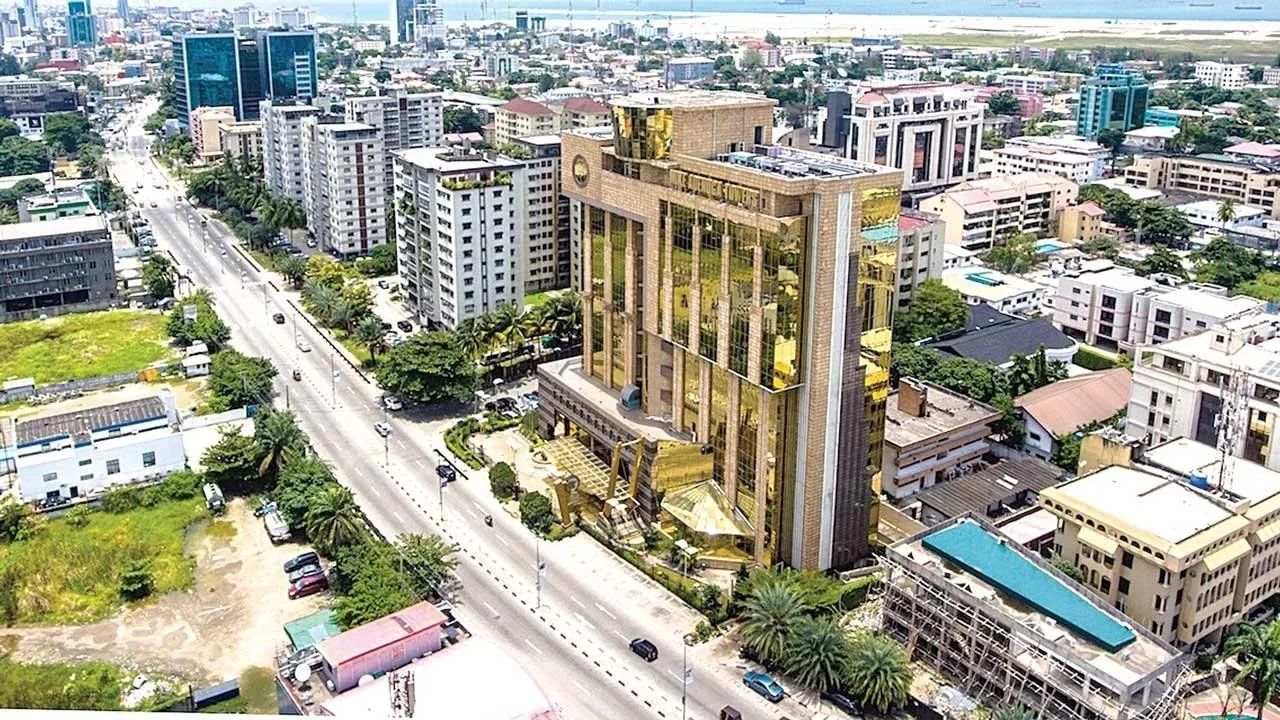
Lagos Residents Struggle With Unaffordable Housing Costs
Soaring residential rents in Lagos and other major Nigerian cities are deepening the housing affordability crisis, with annual rents for typical apartments now vastly exceeding the reach of average incomes and the national minimum wage. Updated market figures show that two‑bedroom flats in Lagos and Abuja now command between ₦1.5 million and ₦4 million per year, with total move‑in costs often rising to ₦2.5 million–₦6 million after agent fees, caution deposits and legal charges a stark contrast to the ₦70,000 monthly minimum wage and average annual salaries of ₦2.75 million-₦3.4 million.
Affordability Gap Widens Across Income Groups
Market observers note that the dramatic increase in rental values has left both low‑ and middle‑income households struggling to find affordable housing, prompting responses from residents, analysts and civil society. In social media commentary, Lagos residents complained that even those earning above the national minimum wage find rental costs unsustainable, with some suggesting that the rent “bubble” must eventually correct itself if incomes remain stagnant.
Housing analysts argue that Lagos’s affordability crisis is driven by the wider structural imbalance in supply and demand. Rapid urbanisation, with an expanding population and steady migration to the economic hub, has exacerbated pressure on limited housing stock a trend widely documented in urban planning reports and state policy briefings.
The acute disconnect between rent and salary is underscored by comparative data showing that only a small share of homes in Lagos are considered affordable for typical workers, with estimates pointing to affordability ratios well above global benchmarks.
Supply Shortages and Cost Pressures
Lagos’s housing market dynamics reflect a broader national shortage estimated in the millions of housing units, particularly for low and middle‑income segments. Analysts warn that if supply continues to lag demand, rents will remain unaffordable for a large segment of the urban population.
Additional cost pressures including rising building material costs, high interest rates, and weak infrastructure provisioning have contributed to an upward spiral in rents. In some of Nigeria’s major urban centres, tenants now face significant entry barriers such as advance payments of one to two years’ rent, a practice that further strains household budgets.
Calls for Policy Intervention and Market Reforms
Critics of current policy responses have pointed to a lack of meaningful government action in addressing the affordability crisis, arguing that housing in Lagos has shifted from being treated as a public good to a commodity largely accessible only to higher‑income groups. Ayodele Adio, founder of Fair Housing, told media outlets that working and middle‑income earners are being “priced out of the market” as luxury developments proliferate without corresponding supply increases in more affordable segments.
Proposed policy responses include rent regulation tied to inflation, stricter oversight of agent and landlord practices, and mandated affordable housing quotas in new developments. Experts also emphasise the need for expanded supply through public‑private partnerships and incentives to encourage construction of housing affordable to a broader range of incomes.
Broader Impacts on Urban Residents
The impact of sharply rising rents extends beyond housing costs. Many Lagos residents report relocating to peripheral areas, sharing accommodation with extended family or co‑working groups, or diverting large portions of their income to meet rental obligations, leaving less for essential needs such as food, healthcare and education. Analysts warn that without structural reforms and coordinated housing policy action, the crisis may undermine economic participation and deepen urban inequality.
