
Market & Economy
Featured
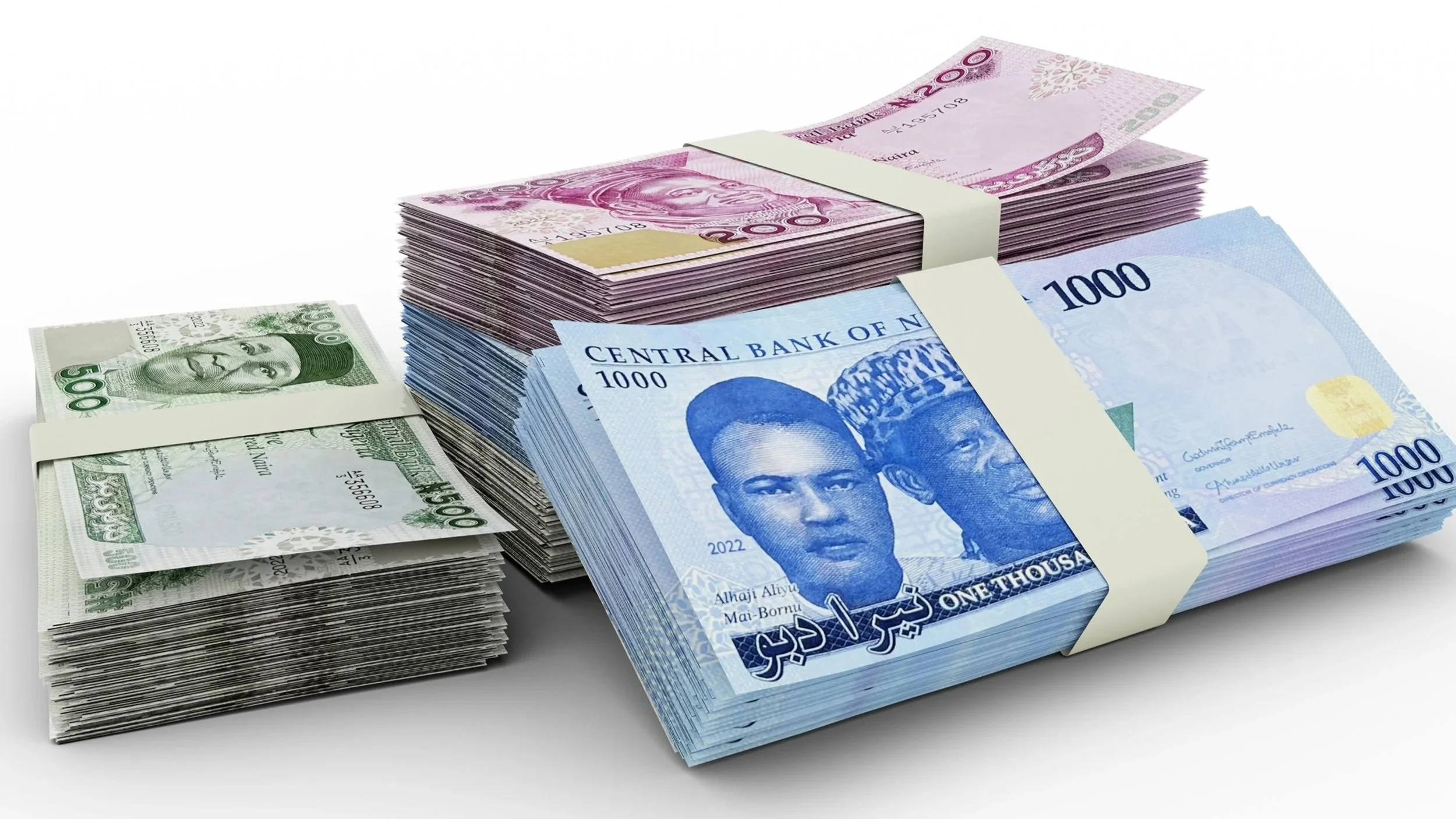








Nigeria's battle against soaring prices marked a significant turning point in October 2025, with the headline inflation rate decelerating sharply to 16.05% year-on-year. This figure is less than half the 33.88% recorded twelve months prior, signaling a dramatic cooling of price pressures that peaked in late 2024.
Property investing in volatile economies can deliver strong returns when risks are systematically managed. Our analysis highlights five recurring challenges: macroeconomic instability, currency convertibility, political and regulatory shifts, operational pressures, and liquidity constraints.
As Nigeria grapples with a housing paradox of vast need versus a shallow mortgage market, a groundbreaking initiative, the MOFI Real Estate Investment Fund (MREIF), offers a viable path to affordable homeownership.
Affordable housing is one of the most pressing challenges in Nigeria’s urban and economic landscape. With a rapidly growing demand for decent shelter, real estate developers are pivotal to bridging the housing gap. This article explores the key incentives and opportunities available to real estate developers committed to tackling Nigeria’s affordable housing deficit, offering actionable insights to help them navigate and access these government assistance.
Nigeria’s real estate faces a critical lack of transparency that is holding back its growth. With an estimated $300–$900 billion trapped in "dead capital," unreliable data are discouraging both local and international investment. Unlocking Nigeria’s full real estate potential hinges on building a transparent, data-driven market.
Explore how financial uncertainty affects real estate markets, influencing prices, demand, investment decisions, and development activity.
The global economic environment is growing more uncertain. With Donald Trump now back in office as President of the United States and already implementing new trade tariffs, a fresh layer of risk has emerged.
Discover how U.S. trade tariffs, global inflation, and rising interest rates could put pressure on diaspora investment in Nigeria’s real estate market—and what developers should consider.
As popular migration destinations such as the USA, UK, and Canada tighten their requirements, many Nigerians are forced to rethink the “Japa” dream. Stricter visa policies are not only halting plans to relocate abroad—they’re also fueling an increase in housing demand across Nigeria.
Aliko Dangote, Africa’s richest man, is widely recognized for his industrial empire spanning cement, sugar, and oil. However, beyond his corporate ventures, his personal and commercial real estate investments reveal a deep appreciation for luxury and strategic business foresight.
A recent survey by Nigeria Housing Market has revealed that 75% of Nigerians consider real estate the safest investment in an uncertain economy. As inflation and currency fluctuations challenge financial stability, property investments continue to provide asset security, long-term appreciation, and passive income potential. This growing confidence underscores the resilience of Nigeria’s real estate sector as a hedge against economic volatility.
President Bola Tinubu's administration has appointed key figures to lead Nigeria's housing and urban development sectors, reflecting a commitment to addressing the nation's housing challenges and promoting cultural growth. Here's an overview of the current ministers.
Millennials are accumulating wealth at an unprecedented rate, outpacing previous generations in net worth growth. One of the key ways they are building this wealth is through real estate, making them a dominant force in the global housing market.
The inauguration of Donald Trump as the 47th President of the United States on January 20, 2025, has significant implications not only for America but also for nations worldwide, including Nigeria. Given the interconnectedness of global politics and economics, it's essential for Nigerians to understand how Trump's policies and rhetoric may influence their country's socio-economic landscape.
Nigeria’s real estate market is on the rise, attracting billions in foreign investments. From luxury developments in Lagos to groundbreaking projects like Eko Atlantic City, international capital is reshaping the property landscape. But what drives this surge, and what opportunities await investors?
The Housing Ministry’s 2025 budget of N88 billion underscores the government’s commitment to addressing critical infrastructure needs and promoting national development. With allocations focusing on residential buildings, office buildings and rehabilitation projects, the budget aims to tackle housing deficits and enhance public infrastructure.
Preliminary data from Nigeria's GDP rebasing reveals a milestone: real estate has overtaken oil and gas as the nation’s third-largest sector. With a 46.52% nominal growth in Q3 2024, the sector now ranks behind crop production and trade, contributing 5.43% to real GDP. Despite challenges such as high construction costs and reduced purchasing power, demand for real estate continues to soar, driven by a growing population and rapid urbanization.
Venturing into property development in Nigeria is a promising but capital-intensive endeavor. Securing funding for your first project requires careful planning, strategy, and resourcefulness. This guide offers comprehensive steps to help you navigate the process successfully.
Nigeria’s real estate sector is one of the most promising and vibrant industries in the country, contributing significantly to economic development. However, its potential remains largely untapped due to persistent challenges, including the lack of professionalism. In a market worth trillions of naira, achieving professional excellence is not just desirable but essential for sustainable growth.
The festive season in Nigeria, popularly referred to as "Detty December," is synonymous with celebrations, a surge in social events, and an influx of Nigerians in the diaspora returning home to reconnect with their roots. Beyond the music, parties, and cultural festivities, Detty December also has significant impact on Real Estate in Nigeria
Nigeria's real estate market is rapidly expanding beyond its traditional hubs, such as Lagos and Abuja. Secondary cities are emerging as attractive investment destinations, driven by urban migration, improved infrastructure, and increasing demand for affordable housing. These new markets present opportunities for investors, developers, and homebuyers seeking to capitalize on Nigeria's growing population and urbanization trends.