Governor of the Central Bank of Nigeria: 2026 Policy & Leadership Update
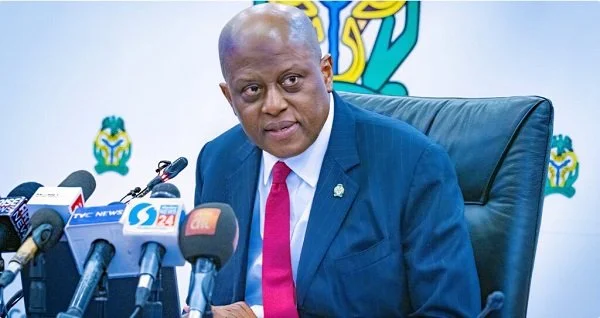
The office of the governor of the central bank of nigeria is the heartbeat of the nation’s financial stability. In 2026, under the leadership of Olayemi Cardoso, the CBN has transitioned into a "Consolidation Phase," focusing on orthodox monetary policy and the ambitious $1 trillion economy goal.
Who is the Governor of Central Bank of Nigeria in 2026?
As of January 2026, Mr. Olayemi Michael Cardoso continues to lead the apex bank. Having been named the African Banker’s Central Bank Governor of the Year in 2025, Cardoso’s tenure is defined by a "zero-tolerance" approach to corporate governance and a strict departure from government deficit financing.
The 2026 Governor’s Mandate
Every governor of central bank of nigeria faces unique challenges; however, Cardoso's 2026 agenda focuses on:
Inflation Targeting: Implementing strict Monetary Policy Rates (MPR) to bring inflation down to a single-digit trajectory.
FX Market Liquidity: Ensuring the "willing buyer, willing seller" model remains the standard for the central bank of nigeria exchange rate.
Digital Currency Evolution: Integrating the eNaira further into the retail payment system for financial inclusion.
Investor Note: The decisions made by the governor central bank of nigeria directly impact real estate financing and mortgage rates. Higher MPR usually leads to more expensive property loans, making cash-heavy investments more attractive.
The 2026 Monetary Policy Agenda
The governor central bank of nigeria has outlined a six-pronged agenda for the current fiscal year:
Durable Price Stability: Targeting a significant drop in inflation to 12.94% by December 2026.
Banking Recapitalization: Overseeing the March 31, 2026, deadline where international banks must meet a ₦500 billion capital base.
Modernizing Payments: Expanding contactless payments and the "Non-Resident BVN" for the diaspora.
FX Market Transparency: Refining the Electronic Foreign Exchange Matching System (EFEMS) to ensure fair dealing.
Central Bank of Nigeria Exchange Rate Framework
In 2026, the governor of central bank of nigeria has successfully unified the exchange rate windows. The "willing buyer, willing seller" model at the Nigerian Autonomous Foreign Exchange Market (NAFEM) has led to an organic rebuilding of external reserves, which now stand at over $46.7 billion.
For a live look at how these policies affect your daily purchasing power, visit our Live Dollar to Naira Exchange Rate Tracker.