Is Nigeria a Developing or Third World Country? Understanding Its 2026 Economic Status
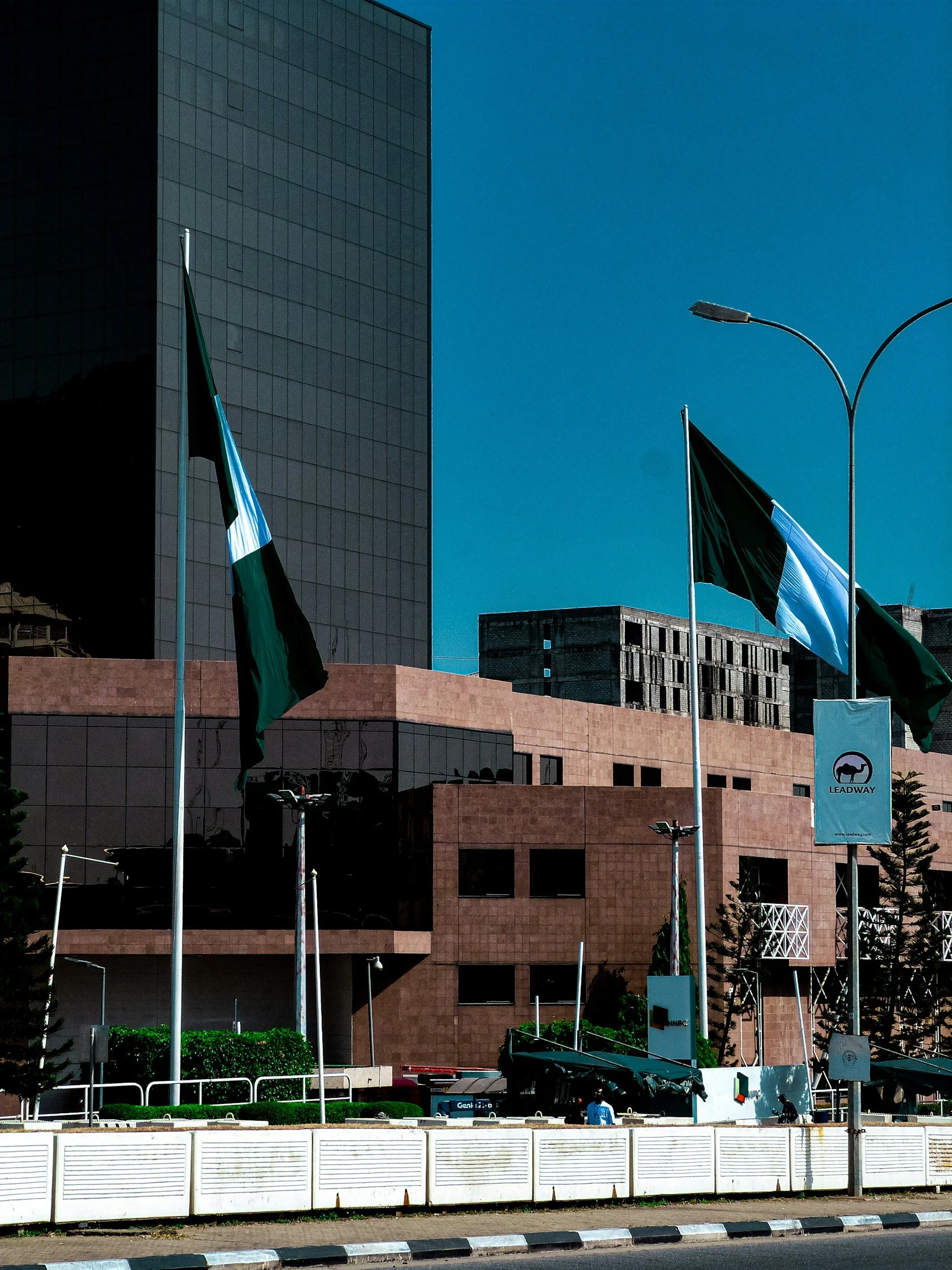
The short answer is: Nigeria is officially classified as a developing country. According to the World Bank and the IMF, Nigeria is a lower-middle-income economy. While the term "Third World" is widely used in casual conversation, it is an outdated Cold War-era label that no longer accurately describes Nigeria’s role as Africa’s largest economy and a key global emerging market.
Nigeria sits in a unique position—boasting a projected GDP growth of 4.4% while simultaneously grappling with infrastructure gaps and a low Human Development Index (HDI) score of 0.535.
1. Why is Nigeria Considered a Developing Country?
International organizations like the United Nations and the World Bank use specific metrics to define "Developing" status. Nigeria is placed in this category due to the following 2026 benchmarks:
Low Per Capita Income: Nigeria’s GNI per capita remains below the high-income threshold of $13,845.
Infrastructure Deficit: Despite the Lagos-Calabar Coastal Highway and various rail projects, consistent power supply and rural road networks still face significant challenges.
Health and Education: Life expectancy in Nigeria (approx. 55 years) and literacy rates are lower compared to "Developed" nations like Norway or Japan.
Dependence on Commodities: The economy still relies heavily on crude oil exports, though the services and tech sectors are rapidly expanding.
2. Is Nigeria a "Third World" Country?
Technically, the term "Third World" originated during the Cold War to describe nations that were not aligned with either NATO (First World) or the Communist Bloc (Second World).
In 2026, economists prefer more precise terms:
Emerging Market: Highlighting Nigeria’s potential for rapid growth and investment.
Frontier Market: Referring to its stock market and financial opportunities.
Lower-Middle-Income: The official World Bank classification based on Gross National Income.
Expert Note: While some may call Nigeria "underdeveloped," the rise of Nigerian Fintech (valued at billions of dollars) and the Dangote Refinery suggest that the country is transitioning toward a "Newly Industrialized" status.
3. Comparison: Developed vs. Developing Status (2026 Data)
To understand the gap Nigeria is working to bridge, see the table below:
Nigeria’s Development Metrics vs. Global Benchmarks (2026)
As of 2026, Nigeria remains a developing country. While it is Africa's largest economy by nominal GDP, its high population and infrastructure gaps result in a Lower-Middle Income status according to World Bank classifications.
| Development Indicator | Developed Benchmark | Nigeria (2026 Stats) |
|---|---|---|
| World Bank Income Group | High Income | Lower-Middle Income |
| GNI Per Capita (Current USD) | $13,845+ | ~$1,380 |
| Human Development Index (HDI) | 0.800 (Very High) | 0.535 (Low-Medium) |
| Average Life Expectancy | 80.5 Years | ~54.9 Years |
| GDP Growth Rate (Projected) | 1.5% - 2.0% | 4.3% - 4.5% |
4. The Path to "Developed" Status: Nigeria Agenda 2050
The Federal Government of Nigeria is currently executing the National Development Plan (2026-2030), which aims to transform the nation into a $1 trillion economy. Key pillars of this transformation include:
Digital Economy: Leveraging AI and fiber optic expansion.
Bank Recapitalization: Strengthening the financial sector to support SMEs.
Energy Reform: Transitioning to gas and renewable energy to solve the "power problem."