Living in Isolo, Lagos: Complete Neighborhood & Property Guide
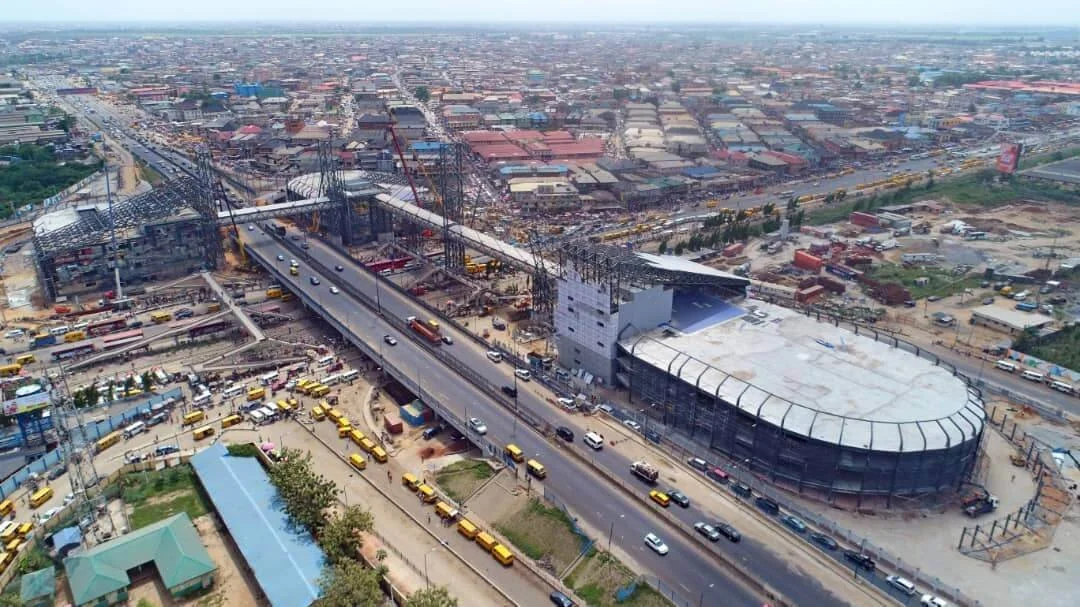
Isolo is located in Isolo Local Government Area
If Lagos were a living organism, Isolo would be one of its most dependable arteries, not flashy, not chaotic, but quietly essential. It’s the kind of neighborhood people move into for convenience and stay in because life simply works there.
Strategically positioned between Ikeja, Oshodi, and Mushin, Isolo offers something rare in Lagos: access without excess. You’re close to business districts, industrial hubs, airports, and major highways, yet daily life still feels manageable. For families, professionals, and investors alike, Isolo has evolved into a neighborhood that balances practicality with opportunity.
This guide explores what it’s really like to live in Isolo, from housing prices and transport to lifestyle, safety, and investment potential, so you can decide if it’s the right fit for you.
Area Snapshot
Isolo is located in Isolo Local Government Area, in the heart of Lagos mainland. It sits just south of Ikeja and is bordered by Mushin, Oshodi, Ajao Estate, and Ilasamaja.
Key Facts
Local Government: Isolo LGA
State: Lagos
Distance to Ikeja CBD: ~10 minutes
Distance to Murtala Muhammed Airport: ~15 minutes
Population: Mixed middle-income residential and industrial workforce
Isolo’s central positioning makes it a connector neighborhood, linking Lagos’s residential, commercial, and industrial zones.
Overview & Identity of the Neighbourhood
Isolo’s identity is built on functionality and resilience. Historically known as an industrial and residential mix, the area has steadily transitioned into a solid middle-income neighborhood with growing real estate relevance.
You’ll find long-established families living alongside young professionals and small business owners. Streets are active during the day, quieter at night, and anchored by markets, workshops, warehouses, and schools that support everyday living. Isolo doesn’t try to impress. That reliability is what keeps demand steady year after year.
Housing and Real Estate Overview
Housing in Isolo is diverse and relatively affordable compared to nearby Ikeja and GRA zones.
Common Property Types
Room self-contained units
1–3 bedroom apartments
Bungalows and block-of-flats
Older duplexes and renovated homes
Rental Prices (Average)
Room / Self-contain: ₦250,000 – ₦400,000 per year
1-Bedroom Apartment: ₦500,000 – ₦700,000 per year
2-Bedroom Apartment: ₦800,000 – ₦1.2 million per year
3-Bedroom Apartment: ₦1.3 – ₦1.8 million per year
Purchase Prices
Flats: ₦12 – ₦25 million
Detached / Semi-detached homes: ₦30 – ₦60 million (location dependent)
Isolo appeals strongly to renters, which keeps vacancy rates low and rental demand consistent.
Price Trends and Market Performance
Property values in Isolo have shown steady, conservative appreciation, rather than speculative spikes. Over the past 5–7 years:
Rental prices have increased gradually
Demand has remained consistent due to proximity to Ikeja and Oshodi
Renovated properties attract premium rents
For investors, Isolo is a cash-flow play, not a hype-driven market. Yields are dependable, especially for multi-unit residential buildings.
Cost of Living Context
Compared to Lagos Island and Ikeja GRA, Isolo’s cost of living is noticeably lower.
Food and groceries are affordable due to local markets
Transport costs are moderate
Utilities align with Lagos mainland averages
Lifestyle expenses remain controllable
This makes Isolo ideal for households looking to live comfortably without overstretching income.
Transport and Accessibility
Isolo’s transport connectivity is one of its biggest strengths.
Key Routes
Oshodi–Apapa Expressway
Isolo Road
Close access to Agege Motor Road
Public Transport
Buses, taxis, tricycles (keke), and motorcycles
Easy access to Oshodi transport hub
Quick connections to Ikeja, Surulere, and the airport
For commuters, Isolo offers time efficiency, especially for airport workers, factory staff, and Ikeja-based professionals.
Lifestyle, Amenities, and Infrastructure
Life in Isolo is practical and community-oriented.
Amenities
Local markets and shopping plazas
Schools (public and private)
Hospitals and clinics
Banks, pharmacies, and gyms
Lifestyle
Busy weekdays, calmer weekends
Strong neighborhood familiarity
Active street commerce and services
Infrastructure quality varies by street, but road upgrades and drainage improvements are ongoing in several pockets.
Safety, Risks, and Planning Considerations
Isolo is generally safe, particularly in well-lit and populated streets.
Key Considerations
Some older industrial zones are quieter at night
Gated streets and compounds offer better security
Flooding can occur in low-lying areas during heavy rains
Residents often rely on community vigilance and private security, which significantly improves safety.
Who Is Isolo Best Suited For?
Families: Affordable rent, schools, stable environment
Professionals: Proximity to Ikeja, the airport, and workplaces
Investors: Strong rental demand and reliable yields
Students / Apprentices: Budget-friendly housing and transport
Isolo works best for people who value access, affordability, and consistency.
Frequently Asked Questions
Is Isolo a good place to live in Lagos?
Yes. Isolo offers a balanced lifestyle with good transport links, affordable housing, and access to major employment zones.
How close is Isolo to Ikeja?
Isolo is about 10 minutes from Ikeja, depending on traffic.
Is Isolo good for property investment?
Yes. It’s ideal for long-term rental income with stable demand.
What type of people live in Isolo?
Families, professionals, artisans, business owners, and airport workers.