Why Cele Is Quietly Becoming One of Lagos Mainland’s Practical Places to Live
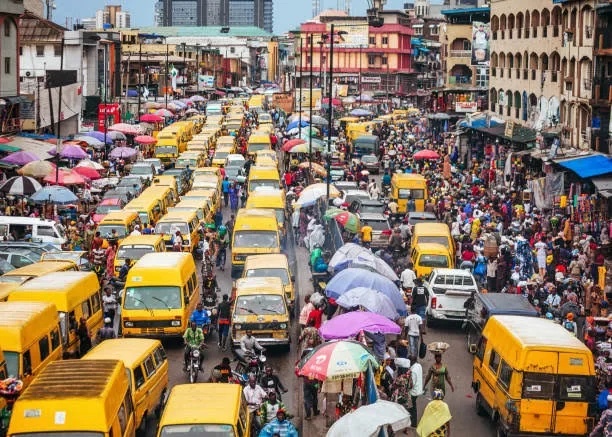
Cele benefits from proximity to major arterial roads, including the Oshodi–Apapa Expressway
Cele is not the loudest neighbourhood in Lagos, and that is exactly its appeal. Tucked along the Oshodi–Apapa corridor, Cele sits at the intersection of movement, affordability, and everyday practicality. It is the kind of place people move into for convenience and end up staying because life simply works. For renters, it offers access without extreme prices. For families, it provides structure and familiarity. For investors, it represents a steady, demand-driven market that does not rely on hype.
As Lagos continues to stretch outward and inward at the same time, neighbourhoods like Cele are gaining renewed relevance. It is not speculative growth that defines Cele, but absorption. People need to live close to work, ports, industrial hubs, and transport routes, and Cele quietly delivers on all three.
Area Snapshot: Where Cele Is and Why Location Matters
Cele is located on the Lagos Mainland, within the Oshodi-Isolo Local Government Area. It sits strategically between Oshodi, Apapa, and Mile 2, making it a connector neighbourhood rather than an isolated one. This positioning has shaped Cele’s identity for decades as a residential area serving workers across Lagos’s commercial and industrial zones.
From a map perspective, Cele benefits from proximity to major arterial roads, including the Oshodi–Apapa Expressway and links toward the Badagry Expressway. This means residents are rarely boxed into one direction of movement, a major advantage in a city where mobility defines quality of life.
Key facts about Cele:
Predominantly residential, supported by commercial activity along major roads
Fully built-up; new development is mostly redevelopment or infill
Strategic location connecting Oshodi, Apapa, and Mile 2
Overview and Identity: What Living in Cele Feels Like
Cele’s identity is practical, lived-in, and community-oriented. This is not a neighbourhood designed for show; it is designed for function. Streets are active from early morning, with traders, commuters, and school runs shaping the daily rhythm. Yet within the inner streets, life slows down into familiar residential patterns.
The area attracts long-term residents who value proximity to work hubs like Apapa, Oshodi, and Surulere. Many households have lived in Cele for years, creating a sense of continuity and informal social structure. New residents tend to integrate quickly because the neighbourhood is used to turnover driven by work and family needs.
Cele is neither elite nor underserved. It sits squarely in Lagos’s middle-market residential spectrum, which is why demand rarely disappears even during economic slowdowns.
What You Can Rent or Buy in Cele
Housing in Cele is dominated by low- to mid-rise residential buildings. The most common property types include:
Room self-contained apartments
One-bedroom and two-bedroom flats
Older compound-style houses
Rental demand is strong and consistent, driven by workers in nearby commercial zones and families seeking relatively affordable accommodation within central Lagos. One-bedroom and two-bedroom flats are especially popular, balancing cost with privacy.
Property ownership in Cele is often long-term, with many homes passed through families or held as income-generating assets. Sales transactions tend to be deliberate rather than speculative, contributing to price stability.
Price Trends and Market Performance
Cele’s real estate market performs best during periods of economic realism. When Lagos experiences speculative booms, attention often shifts elsewhere. When affordability becomes a priority, Cele regains focus.
Rent prices have seen a gradual upward movement over recent years, tied to inflation and rising maintenance costs
Sales prices appreciate modestly due to the scarcity of land and proximity to employment hubs
Vacancy rates remain low, especially for well-maintained properties
This makes Cele attractive to investors seeking predictable rental income rather than aggressive capital appreciation.
How Cele Compares to Lagos Overall
Living in Cele is generally more affordable than neighbourhoods like Surulere, Yaba, or Ikeja GRA, while still offering access to similar parts of the city. Key points:
Rent takes up a smaller share of household income compared to many mainland alternatives
Daily expenses for food, transportation, and utilities align with Lagos Mainland averages
Local markets and street retail help residents manage costs efficiently
Transport and Accessibility: Moving In and Out of Cele
Transport is one of Cele’s defining advantages. The neighbourhood connects directly to major routes leading to Apapa, Oshodi, Mile 2, and Surulere. Public transport options include:
Buses and shared taxis along main roads
Motorcycle transport in inner streets
While traffic congestion occurs during peak hours, residents benefit from multiple route options, reducing dependency on a single corridor.
Lifestyle, Amenities, and Infrastructure
Cele supports a functional, everyday lifestyle. Schools, healthcare centres, religious institutions, and retail outlets are integrated into the neighbourhood. Local highlights include:
Markets and roadside commerce for daily needs
Short drives to larger shopping and leisure hubs in Surulere and Ikeja
Infrastructure quality varies; better along main roads, mixed in inner streets
Cele is not known for nightlife or luxury entertainment, but offers access to those areas when needed.
Safety, Risks, and Planning Considerations
Safety in Cele is comparable to other established Lagos Mainland neighbourhoods. Points to note:
Long-term residents contribute to informal security
Well-lit streets and active commercial areas improve safety
Certain low-lying sections may experience flooding during heavy rains
Planning considerations: Cele is largely built out, limiting large-scale disruption but also reducing opportunities for expansive new development.
Who is Cele Is Best Suited For
Cele works best for people who value access and affordability over prestige. It is suited for:
Working professionals in Apapa, Oshodi, Surulere, and surrounding areas
Families seeking stable rental housing with access to schools and services
Investors focused on rental yield consistency
Students attending institutions along the mainland corridor
Cele may never be Lagos’s trendiest neighbourhood, but it continues to prove its relevance through resilience. In a city where real estate cycles swing between hype and correction, Cele remains grounded in real demand. For residents, it offers manageable living. For investors, it provides predictability. For Lagos itself, Cele represents the kind of neighbourhood that quietly keeps the city moving.
Frequently Asked Questions About Cele, Lagos
Is Cele a good place to live in Lagos? Cele is ideal for people prioritizing location, affordability, and everyday convenience.
How expensive is rent in Cele compared to other mainland areas? Rent is generally lower than in Surulere and Ikeja, offering similar access to key parts of Lagos Mainland.
Is Cele good for real estate investment? Cele is well-suited for long-term rental investment due to steady demand and low vacancy rates.
Does Cele experience flooding? Some parts may flood during heavy rains; assess streets and drainage before renting or buying.