Wuse Area Guide: The Commercial and Lifestyle Heart of Abuja
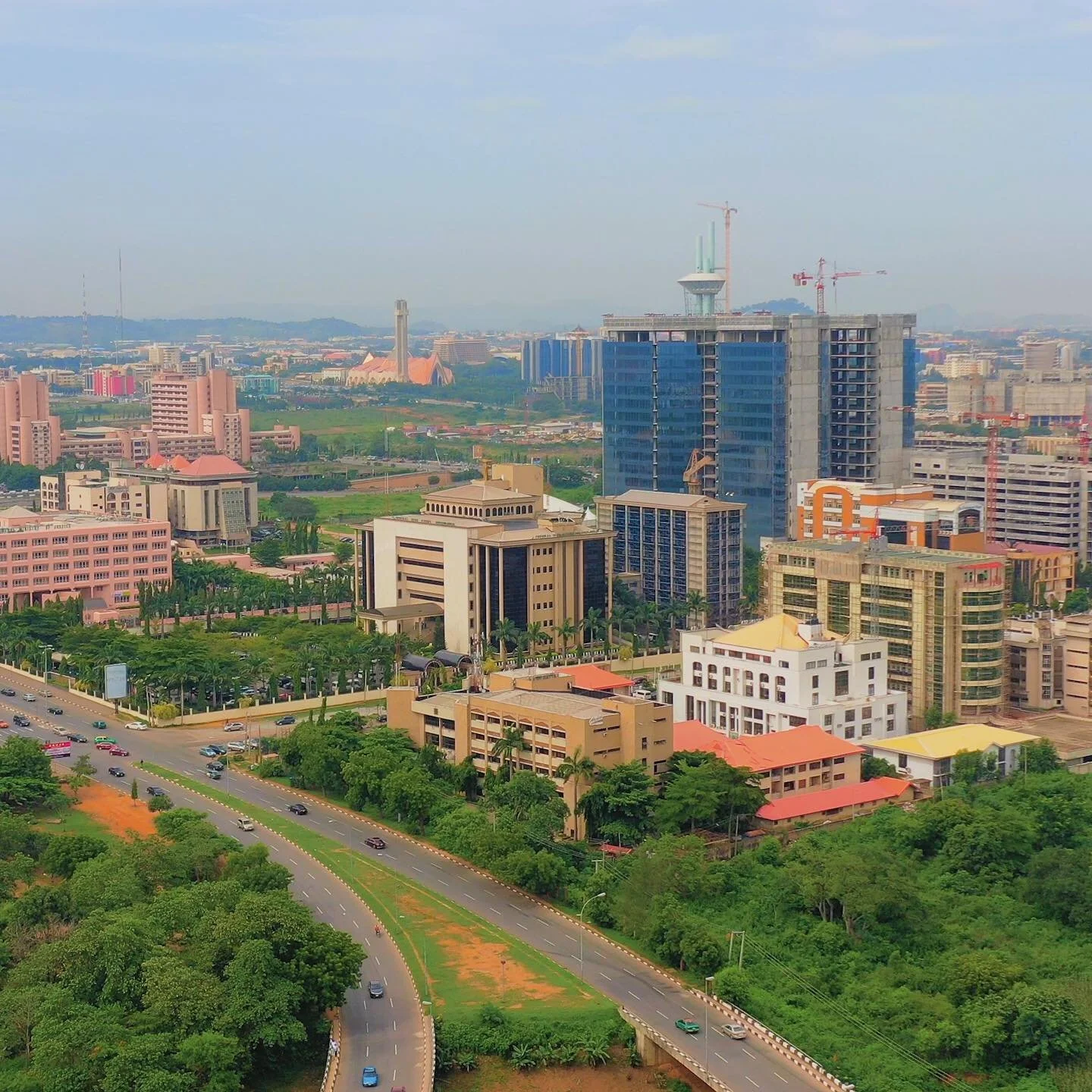
Wuse arguably offers the most diverse lifestyle in Abuja.
There is a rhythm to Abuja, and nowhere is it louder, brighter, and more energetic than Wuse.
From early morning commuters navigating busy intersections to late-night diners spilling out of restaurants in Wuse II, this district feels alive in a way that few other neighbourhoods in the capital do. If Maitama whispers prestige and Asokoro signals power, Wuse speaks in movement, commerce, and connection.
For many residents, Wuse is not just a place to live, it is the centre of daily life. Offices, banks, markets, schools, nightlife, residential streets, and major transport routes all intersect here. It is dynamic, practical, and deeply integrated into Abuja’s economy.
But is it the right place for you? This comprehensive Wuse area guide breaks down everything you need to know, from rent prices and property trends to lifestyle, safety, and investment potential.
Area Snapshot: Location, Map & Key Facts
Wuse is located in Phase 1 of Abuja’s Federal Capital City and is divided into two major sections:
Wuse I (primarily residential with commercial clusters)
Wuse II (heavily commercial, nightlife and business hub)
It sits west of the Central Business District and shares proximity with Maitama, Utako, and Jabi. Its central positioning makes it one of the most accessible and strategically located districts in Abuja.
Key facts about Wuse:
Location: Phase 1, Abuja Municipal Area Council
Known for: Business activity, nightlife, shopping, mixed-use living
Property mix: Apartments, duplexes, commercial buildings
Price range: Mid-to-high tier depending on zone
Accessibility: Excellent road connectivity
Wuse is not a quiet enclave; it is structured intensity. And for many, that is exactly the appeal.
Overview & Identity: What Defines Wuse?
Wuse feels like the economic engine of central Abuja. If you work in finance, media, hospitality, consulting, or government-adjacent services, chances are you interact with Wuse daily.
Wuse I tends to be more residential, with older housing stock, family compounds, and established streets that balance calm and commerce. Wuse II, on the other hand, is vibrant and dense with office towers, restaurants, lounges, hotels, and retail outlets.
Unlike purely residential districts, Wuse thrives on movement. It is where deals are signed during the day, and social gatherings happen at night. It attracts young professionals, entrepreneurs, established families, and business owners.
Living in Wuse means living in the centre of activity.
Housing & Real Estate Overview
Wuse offers a wider range of housing options compared to Maitama or Asokoro. While it still contains high-end properties, it also provides mid-tier apartments and older residential buildings that make it relatively more accessible.
Property types include:
Self-contained apartments
2–3 bedroom flats
Terraced duplexes
Detached houses (more common in Wuse I)
Mixed-use residential/commercial buildings
Rental Prices in Wuse
Rental costs vary significantly depending on whether you are in Wuse I or Wuse II.
Self-contained apartment: ₦1.5m – ₦3m per year
2-bedroom flat: ₦3m – ₦6m per year
3-bedroom apartment: ₦5m – ₦10m per year
Duplex: ₦8m – ₦18m per year
Properties in Wuse II with commercial proximity command higher rents.
Sale Prices
Apartments: ₦120m – ₦300m
Duplexes: ₦250m – ₦500m
Commercial buildings: Significantly higher depending on location
Wuse remains one of Abuja’s most commercially viable property districts, particularly for mixed-use investments.
Price Trends & Market Performance
Wuse’s property market is driven by commercial demand as much as residential demand. This dual demand keeps vacancy rates relatively balanced.
Rental prices have remained strong due to:
Business presence
Proximity to CBD
Nightlife and hospitality growth
Consistent professional migration to Abuja
Unlike purely residential districts, Wuse benefits from economic activity. Investors often target properties here for rental income rather than long-term prestige ownership.
Capital appreciation is steady, especially for properties near high-traffic corridors.
Cost of Living: Is Wuse Expensive?
Wuse sits above Abuja’s average cost of living but below ultra-luxury districts like Maitama and Asokoro.
Rent is moderately high, especially in Wuse II. However, the convenience of living close to offices, restaurants, and shopping centres can reduce commuting costs.
Groceries are easily accessible, with supermarkets, open markets, and convenience stores all within reach. Dining options range from affordable eateries to high-end restaurants.
Overall, Wuse offers a balanced cost-to-convenience ratio.
Transport & Accessibility
One of Wuse’s biggest strengths is accessibility.
Major roads connect it directly to:
Central Business District
Maitama
Jabi
Utako
Airport Road
Public transport options are more available here compared to Maitama or Asokoro. Taxis, buses, and ride-hailing services operate actively throughout the district.
However, traffic congestion can be significant during peak business hours, particularly in Wuse II. Parking can also be challenging in commercial zones.
Lifestyle, Amenities & Infrastructure
Wuse arguably offers the most diverse lifestyle in Abuja.
You will find:
Shopping plazas and retail outlets
Banks and corporate offices
Restaurants and nightlife lounges
Hotels and serviced apartments
Fitness centres and salons
Schools and healthcare facilities
Wuse II is particularly known for its vibrant nightlife and restaurant scene, attracting both residents and visitors.
Infrastructure is generally reliable, though older residential streets in Wuse I may require occasional maintenance updates.
Unlike quieter districts, Wuse delivers constant energy.
Safety, Risks & Planning Considerations
Wuse is generally safe but experiences higher foot and vehicle traffic compared to exclusive districts.
Security presence is visible, particularly in commercial areas. However, petty theft risks may be slightly higher than in gated residential-only districts.
Noise levels in Wuse II can be elevated due to nightlife and commercial operations. Buyers seeking quiet living may prefer Wuse I.
Investors should consider zoning regulations, especially when purchasing mixed-use properties.
Who Is Wuse Best Suited For?
Wuse is ideal for:
Young professionals working in central Abuja.
Entrepreneurs and business owners.
Investors targeting rental income.
Families who value proximity to amenities.
Students attending nearby institutions.
It may be less suitable for individuals seeking complete privacy or ultra-quiet residential settings.
Frequently Asked Questions
Is Wuse a good place to live in Abuja?
Yes. Wuse offers convenience, strong infrastructure, and access to business and lifestyle amenities, making it one of the most practical districts in Abuja.
How much is rent in Wuse Abuja?
Rental prices typically range from ₦1.5 million per year for small apartments to ₦18 million per year for large duplexes.
Which is better, Wuse I or Wuse II?
Wuse I is more residential and quieter, while Wuse II is more commercial and vibrant.
Is Wuse safe?
Wuse is generally safe, though commercial density means higher activity levels compared to exclusive residential districts.
Is Wuse good for investment?
Yes. Its strong commercial presence and central location make it attractive for rental income and mixed-use property investments.