The Ultimate Real Estate Guide to Living in Maitama, Abuja
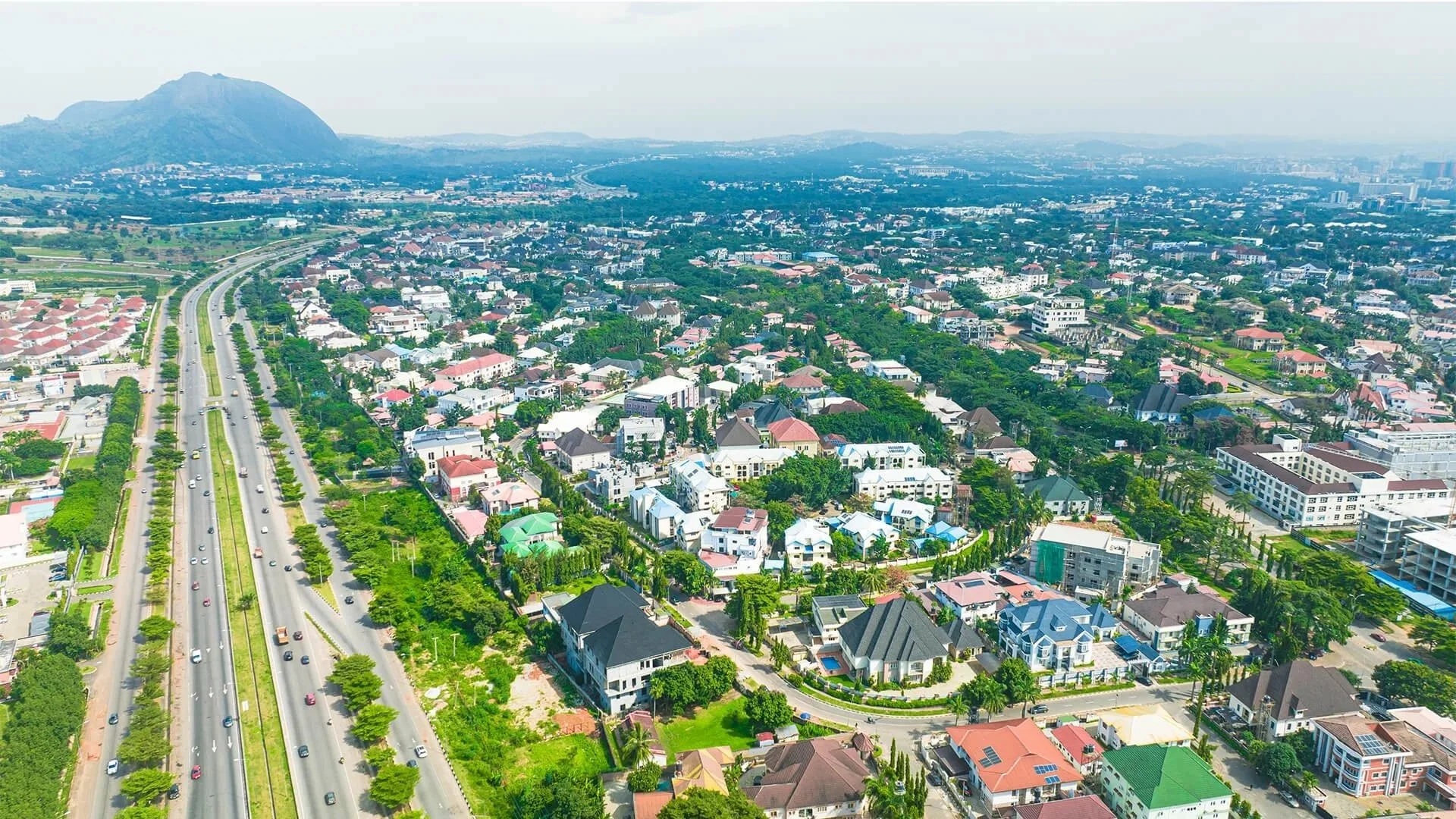
Maitama area guide explores everything you need to know
In Abuja, some neighbourhoods are popular, some are busy, and a rare few are powerful. Maitama belongs to that final category.
When people speak about luxury living in Abuja, Maitama is almost always part of the conversation. It is the kind of district where embassies sit behind fortified gates, where residential streets feel curated rather than crowded, and where proximity to influence is not accidental.
But beyond the reputation and prestige, what is Maitama really like to live in? Is it only for diplomats and billionaires? How expensive is it compared to Asokoro? And does it still make sense as an investment in today’s market?
This detailed Maitama area guide explores everything, from rent prices and real estate trends to lifestyle, security, and long-term value.
Area Snapshot: Location, Map & Key Facts
Maitama is located in Phase 1 of Abuja’s Federal Capital City, directly north of the Central Business District. It shares borders with Asokoro, Wuse II, and Katampe, making it strategically positioned within the most established part of the capital.
The district is built around gently rising terrain and is visually anchored by its proximity to Aso Rock, which provides a dramatic natural backdrop in certain corridors.
Key facts about Maitama:
Location: Phase 1, Abuja Municipal Area Council
Known for: Embassies, diplomatic missions, luxury residences
Property profile: Detached mansions, upscale apartments, serviced residences
Price tier: Among the highest in Abuja
Road quality: Well-maintained and centrally connected
Its closeness to the Central Area makes it both residential and strategically commercial in select pockets.
Overview & Identity: What Defines Maitama?
Maitama is not simply expensive; it is established. It carries a long-standing reputation as Abuja’s diplomatic and elite residential district. Many foreign embassies are located here, and over the years, it has attracted high-ranking officials, executives, expatriates, and some of Nigeria’s wealthiest families.
The neighbourhood feels composed. Streets are wide, landscaping is mature, and development density is controlled. Unlike emerging districts where construction dominates the skyline, Maitama feels settled. Its character is shaped by order and long-term planning.
There is also a subtle blend of residential calm and commercial refinement. While most streets are purely residential, select areas host high-end offices, boutique restaurants, and luxury hospitality establishments. This dual identity makes Maitama both a home and a destination.
Living here feels deliberate. It is quiet, yet not isolated. Prestigious, yet functional.
Housing & Real Estate Overview
Maitama’s real estate market operates at the very top of Abuja’s property ladder.
The district is known for:
Fully detached mansions with expansive compounds
Luxury duplexes with staff quarters
High-end apartment complexes
Serviced residences designed for expatriates
Exclusive gated estates
Plot sizes are generous, and architectural design ranges from contemporary minimalism to grand classical façades.
Rental Prices in Maitama
Rental prices reflect the district’s premium status.
2–3 bedroom luxury apartment: ₦7m – ₦15m per year
4-bedroom duplex: ₦18m – ₦35m per year
Fully detached mansion: ₦30m – ₦80m+ per year
Embassy-compliant homes with enhanced security features command even higher rates.
Sale Prices
Property purchase requires significant capital outlay.
Luxury apartments: ₦250m – ₦600m
Duplexes: ₦500m – ₦900m
Prime detached mansions: ₦1bn and above
Land in Maitama is scarce. When plots become available, they attract institutional buyers and high-net-worth individuals rather than speculative middle-income investors.
Price Trends & Market Performance
Maitama’s property market is remarkably resilient. Unlike developing districts that experience dramatic appreciation cycles, Maitama operates on stability.
Demand is sustained by:
Diplomatic housing needs
Corporate executive relocations
Long-term private wealth
Rental yields are often strong due to the premium tenant profile. Vacancy rates tend to be lower for well-finished properties that meet international standards.
Capital appreciation is steady rather than explosive. Investors here prioritise asset preservation and prestige ownership.
Compared to mid-tier districts, Maitama is less volatile during economic downturns.
Cost of Living: How Expensive Is Maitama?
Maitama sits far above Abuja’s average cost of living.
Rent alone can be two to three times higher than in districts like Gwarinpa or Lokogoma. Beyond housing, lifestyle expenses follow suit.
Residents often rely on premium supermarkets, private healthcare facilities, and international schools. Dining options within and around the district lean toward upscale restaurants and curated experiences.
Utilities and maintenance costs are elevated due to larger property sizes and continuous power backup systems.
While the cost is high, residents often consider it justified by convenience, prestige, and security.
Transport & Accessibility
One of Maitama’s strongest advantages is location.
The district provides quick access to:
Central Business District (10–15 minutes in light traffic)
Wuse II commercial hub
Asokoro
Major arterial roads connecting to Airport Road
Road networks are well designed, and internal streets are generally free from congestion except during peak diplomatic or official events.
Public transport within the district is limited due to its residential profile, but ride-hailing services operate efficiently. Most residents rely on private vehicles.
Commute time to Nnamdi Azikiwe International Airport typically ranges from 35 to 45 minutes
Lifestyle, Amenities & Infrastructure
Maitama offers a refined lifestyle.
It is home to several high-end restaurants, lounges, and boutique hospitality establishments. Fitness centres, wellness spas, and private medical facilities are located within a short driving distance.
International schools and reputable private institutions serve families living in the district. Infrastructure reliability, particularly road quality and security presence, is among the best in Abuja.
Greenery enhances the overall atmosphere. Tree-lined streets and well-maintained landscapes create a breathable and calm environment, distinct from the commercial intensity of Wuse.
Unlike some luxury districts that feel sterile, Maitama balances exclusivity with livability.
Safety, Risks & Planning Considerations
Maitama is widely regarded as one of the safest districts in Abuja. The presence of embassies and diplomatic residences ensures heightened security patrols and surveillance.
However, buyers and investors should note:
Strict development regulations
High entry cost
Limited supply of new land
Flood risk is generally low due to proper planning, but property-specific inspections remain essential. Due diligence on land titles and building approvals is critical when transacting in premium districts.
Who Is Maitama Best Suited For?
Maitama is ideal for:
Families seeking security and access to top-tier schools.
Diplomats and expatriates requiring embassy proximity.
Corporate executives who value centrality and prestige.
Investors targeting stable, high-income tenants.
It is not typically suitable for students or entry-level professionals due to cost barriers.
Frequently Asked Questions
Is Maitama more expensive than Asokoro?
Both districts sit at the top of Abuja’s luxury market. Pricing varies by property type, but they are generally comparable, with certain Maitama corridors commanding higher premiums.
How much is rent in Maitama, Abuja?
Rental prices typically start from ₦7 million per year for luxury apartments and can exceed ₦80 million annually for large detached mansions.
Is Maitama safe to live in?
Yes. It is considered one of the safest neighbourhoods in Abuja due to diplomatic presence and structured planning.
Is Maitama good for property investment?
Yes, particularly for long-term capital preservation and premium rental income.
How far is Maitama from Abuja city centre?
It is approximately 10–15 minutes from the Central Business District in light traffic.