What Does it Cost to Live in Garki, Abuja
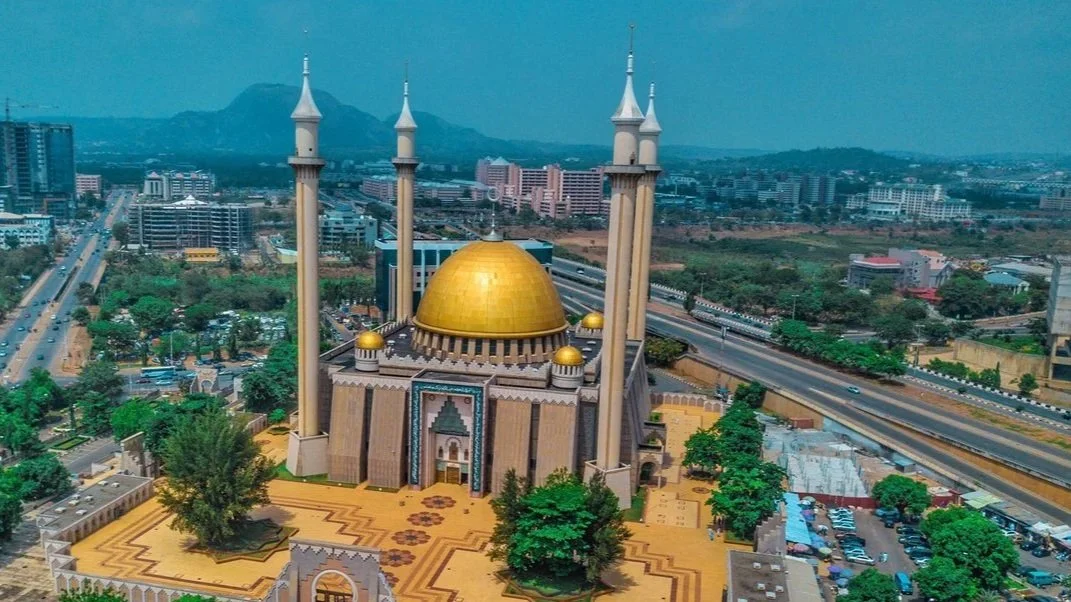
Living in Garki is moderately expensive compared to outer district in Abuja
Garki sits within Phase 1 of Abuja’s original master plan. It is divided into two sections: Garki I and Garki II.
Its location is one of its strongest advantages. From here, you are minutes away from the Central Business District, within easy reach of Asokoro, and directly connected to Wuse and Airport Road corridors.
Unlike newer districts still developing their identity, Garki is fully formed. The roads are laid out in a structured grid. Infrastructure is established. Commercial and residential life coexist in close quarters. It feels central because it is.
Overview & Identity: A District That Gets Things Done
Garki is practical. And that practicality is its greatest strength.
This is not a purely residential enclave, nor is it an isolated commercial strip. It is a blend of both. You will find office complexes next to apartment blocks. Retail stores share streets with residential gates. Government institutions operating beside private clinics.
Garki, I generally feel slightly calmer, with more residential pockets and quieter streets once you move away from major roads. Garki II carries more commercial energy, is busier, louder, and more transactional. But both share the same DNA: accessibility, movement, and relevance.
Does It Cost to Live in Garik?
One of the reasons Garki remains attractive is its range.
Garki offers a wider spectrum of housing options. You’ll find older low-rise apartment blocks, mixed-use buildings with shops downstairs and flats upstairs, detached homes on original Abuja plots, and renovated units commanding premium prices.
Rental prices (2025 estimates) typically fall within these ranges:
One-bedroom apartment: ₦1.5m – ₦3m per year
Two-bedroom apartment: ₦2.5m – ₦5m per year
Three-bedroom apartment: ₦4m – ₦8m per year
Detached houses and large commercial properties can exceed ₦15m–₦20m annually, depending on size and positioning.
In terms of purchase prices, apartments often range from ₦35m to ₦120m depending on size and condition, while standalone homes command significantly higher figures due to land value.
Because Garki is an older district, some properties show their age. However, renovated units, especially those with modern finishes and reliable utilities, attract strong demand.
Market Trends: Stability Over Speculation
Garki’s property market behaves differently from emerging suburbs.
It does not rely on hype or rapid expansion. Its value is anchored in location and daily utility. Government agencies, banks, retail hubs, and healthcare institutions ensure consistent demand for both residential and commercial space.
Rental occupancy rates remain relatively stable year-round. Commercial properties in particular benefit from visibility and foot traffic.
While price appreciation may not spike dramatically as in developing outskirts, Garki tends to hold value steadily, a trait investors often underestimate until they see consistent rental returns.
Cost of Living: Is It Expensive?
Living in Garki is moderately expensive compared to outer districts like Kubwa or Lugbe, but more affordable than Maitama and Asokoro.
Groceries are readily available, especially around major market clusters. Dining options range from affordable local eateries to mid-range restaurants. Utilities align with Abuja’s standard billing structure.
One major financial advantage often overlooked is proximity. Living in Garki can significantly reduce commute time and fuel expenses for professionals working in central Abuja.
In a city where distance often translates into cost, that proximity matters.
Transport & Accessibility: Moving Around Garki
Garki’s central positioning makes it one of the easier districts to navigate.
Major roads connect directly to surrounding neighbourhoods and business hubs. Taxis and ride-hailing services are easily accessible. Public minibuses operate along key routes.
Traffic congestion can build up during peak hours, particularly in Garki II, where commercial density is higher. However, compared to more distant suburbs, overall travel time remains manageable.
Accessibility is one of Garki’s most practical advantages.
Lifestyle, Amenities & Infrastructure
Garki’s convenience is visible in its institutions.
The presence of the National Hospital Abuja positions the district as a major healthcare hub. Numerous private clinics and pharmacies operate nearby.
Garki International Market remains one of the busiest retail centres in the city, drawing shoppers daily.
Hospitality is anchored by establishments such as Sheraton Abuja Hotel, which attracts business travellers and event hosts.
Schools, worship centres, supermarkets, and banks are distributed throughout the area, reinforcing its status as a self-sufficient neighbourhood.
You rarely have to leave Garki to meet daily needs.
Safety & Planning Considerations
Garki benefits from institutional presence and consistent daily activity, which generally enhances security.
That said, like any active commercial district, residents should exercise normal urban awareness, especially around busy markets and high-traffic areas.
Prospective renters and buyers should also inspect drainage systems and building conditions carefully, particularly in older properties.
Who Is Garki Best For?
Garki works exceptionally well for:
Professionals who value proximity to work
Entrepreneurs who depend on foot traffic
Healthcare workers
Investors seeking steady rental income
It may be less ideal for those prioritising ultra-quiet, gated, luxury estates removed from commercial activity.