Inside Abuja’s Most Prestigious and Secure Neighbourhood Asokoro
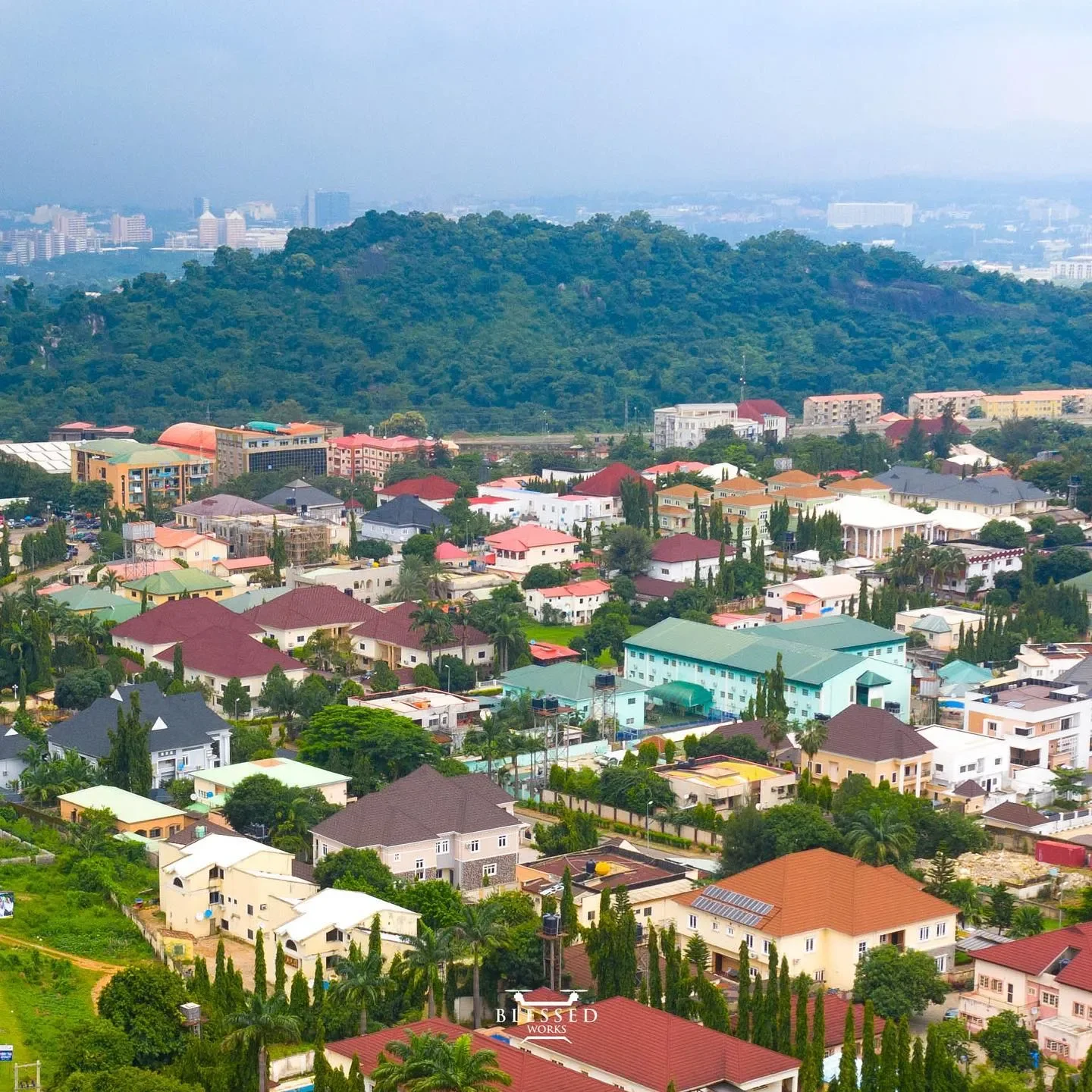
Real estate in Asokoro sits firmly in Abuja’s luxury segment
There are neighbourhoods you pass through, and there are neighbourhoods that define a city. Asokoro belongs to the latter. The moment you turn into its wide, tree-lined avenues, Abuja feels different. The air seems calmer. The traffic noise softens. Security presence becomes more noticeable. Behind tall gates sit some of the most valuable residential properties in Nigeria’s capital.
Asokoro is not loud about its influence. It does not compete with Wuse’s commercial energy or Jabi’s lifestyle. Instead, it commands attention through restraint. It is the address of diplomats, high-ranking government officials, captains of industry, and investors who prefer stability over speculation.
But beyond the prestige, what is it actually like to live here? How much does it cost? Is it worth the premium? This detailed guide answers those questions with clarity and depth.
Area Snapshot: Location, Map & Key Facts
Asokoro is located in Phase 1 of Abuja’s Federal Capital City, placing it among the earliest and most deliberately planned districts. It sits southeast of the Central Business District and shares proximity with Maitama, Guzape, and the Central Area.
Geographically, it lies at the foot of Aso Rock, one of Abuja’s most iconic natural landmarks. This positioning contributes both to its scenic backdrop and its political significance.
Key facts about Asokoro:
It is one of Abuja’s lowest-density districts.
It hosts several embassies and diplomatic residences.
It contains proximity to major government institutions.
Road infrastructure is consistently maintained.
Security presence is above the city average.
Driving from Asokoro to the Central Business District typically takes 10–15 minutes in light traffic, making it both exclusive and strategically central.
Overview & Identity
To understand Asokoro, you have to understand Abuja itself. Abuja was designed as a planned capital, and Asokoro represents that vision in its most refined form. The district was structured to house top-tier government officials and foreign missions, and that original intention still shapes its identity today.
Unlike districts that evolved organically, Asokoro feels curated. Streets are orderly. Residential plots are generous. Commercial activity is controlled and minimal. You will not find chaotic roadside markets or dense retail strips here. Instead, you find privacy, manicured compounds, and long driveways that hint at what lies behind the gates.
The neighbourhood feels insulated from the everyday rush of the city. It is common to see diplomatic vehicles, security convoys, and luxury SUVs navigating its quiet roads. Yet it never feels overcrowded. The atmosphere is composed and controlled.
This is not a district that tries to attract attention. It assumes it.
Housing & Real Estate Overview
Real estate in Asokoro sits firmly in Abuja’s luxury segment. The architectural landscape is dominated by expansive detached homes, embassy-grade residences, and high-end apartment complexes designed for executive living.
The most common property typologies include:
Fully detached mansions with large compounds
Serviced luxury duplexes
Premium apartment buildings with security and power backup
Exclusive gated mini-estates
Custom-built private residences
Plots are typically larger than what you would find in mid-market districts. Homes are often equipped with multiple living areas, en-suite bedrooms, staff quarters, dedicated parking, and in some cases, swimming pools.
Rental Prices
Rental rates in Asokoro reflect its exclusivity.
A well-finished three-bedroom apartment may range between ₦8 million and ₦15 million per year, depending on amenities and location within the district. Four-bedroom duplexes often start around ₦15 million and can exceed ₦30 million annually in prime pockets. Fully detached luxury homes, particularly those suitable for diplomatic use, can range from ₦25 million to ₦60 million or more per year.
The tenant profile at this price level is usually diplomatic staff, multinational executives, or senior political appointees.
Sale Prices
Property acquisition requires significant capital. Luxury duplexes often sell between ₦400 million and ₦800 million, while detached mansions in prime corridors can exceed ₦1 billion. Land in Asokoro is scarce, and available plots command premium rates.
The district’s high entry barrier limits oversupply, which helps preserve value over time.
Price Trends & Market Performance
Unlike emerging districts where prices fluctuate sharply with economic cycles, Asokoro’s property market is relatively insulated. Demand is less dependent on middle-income buyers and more tied to institutional and diplomatic housing needs.
Over recent years, rental rates have remained strong, particularly for properties meeting international security and finishing standards. While short-term speculation is less common here, long-term capital preservation remains one of Asokoro’s strongest investment appeals.
Luxury real estate in Asokoro does not typically experience rapid spikes, but it also rarely experiences dramatic declines. Investors targeting this district are often seeking stable, high-quality tenants rather than quick turnover.
Cost of Living: How Expensive Is Asokoro?
Living in Asokoro is significantly more expensive than Abuja’s average residential districts.
Housing is the largest cost driver. However, the overall cost of living is influenced by lifestyle patterns common among residents. Many households employ domestic staff. Power consumption tends to be higher due to larger homes and continuous electricity backup systems. Groceries are often purchased from premium supermarkets rather than local markets.
Dining options within and around the district lean toward upscale establishments. Security services and property maintenance also add to monthly expenses.
In comparison to areas like Lokogoma, Kubwa, or Lugbe, overall living costs in Asokoro can easily be two to three times higher.
However, residents often justify this cost through the advantages of privacy, proximity to power centres, and enhanced security.
Transport & Accessibility
Despite its calm environment, Asokoro remains highly accessible.
Major connecting roads link the district to the Central Area, Maitama, Garki, and Airport Road. Commutes to the Central Business District are typically short during off-peak hours. The drive to Nnamdi Azikiwe International Airport averages between 35 and 45 minutes, depending on traffic conditions.
Road quality is generally superior compared to many other parts of the city. Public transport options are limited within the district itself, as it is primarily car-dependent. Ride-hailing services operate efficiently, but most residents rely on private vehicles.
Traffic congestion is usually lower than in commercial-heavy districts, though government events can occasionally impact movement.
Lifestyle, Amenities & Infrastructure
Asokoro’s lifestyle is understated but refined. While it is not known for nightlife intensity, it offers access to high-end restaurants, discreet lounges, wellness centres, and fitness facilities.
International schools and private hospitals are located within short driving distances, making the district suitable for expatriate families. Infrastructure reliability, particularly in terms of road maintenance and security patrol presence, is among the best in Abuja.
Greenery is a defining feature. Mature trees line many streets, and open spaces contribute to the district’s breathable feel. Noise levels are significantly lower compared to Wuse or Garki.
For those who value peace over buzz, this is a major advantage.
Safety, Risks & Planning Considerations
Security is arguably Asokoro’s strongest selling point. The presence of embassies, diplomatic residences, and high-ranking officials results in enhanced patrols and surveillance. The district is widely regarded as one of the safest in Abuja.
That said, buyers and investors should still conduct due diligence regarding land documentation, building approvals, and zoning regulations. Development control is stricter in this district, and commercial expansion is limited.
Flood risk is minimal in most parts due to structured drainage planning, but property inspections remain essential.
Who Is Asokoro Best Suited For?
Asokoro is best suited for individuals and families who prioritize privacy, security, and prestige.
It is ideal for:
Senior government officials who require proximity to institutions.
Diplomats and expatriates seeking embassy-grade housing.
High-net-worth families who prefer low-density environments.
Investors targeting premium, long-term rental yields.
It is less suitable for students, entry-level professionals, or buyers searching for affordable housing options.
Frequently Asked Questions
Is Asokoro the most expensive area in Abuja?
It is consistently ranked among the top three most expensive districts alongside Maitama and Guzape.
Is Asokoro safe to live in?
Yes. It is widely considered one of Abuja’s safest neighbourhoods due to heightened security presence.
How much is rent in Asokoro?
Rental prices generally start around ₦8 million per year for standard luxury apartments and increase significantly for larger properties.
Is Asokoro good for real estate investment?
Yes, particularly for investors interested in long-term value preservation and premium tenant profiles.
How far is Asokoro from Abuja city centre?
The district is approximately 10–15 minutes from the Central Business District in light traffic.