Living Expenses in Abuja 2026: The Price of Order in the Capital
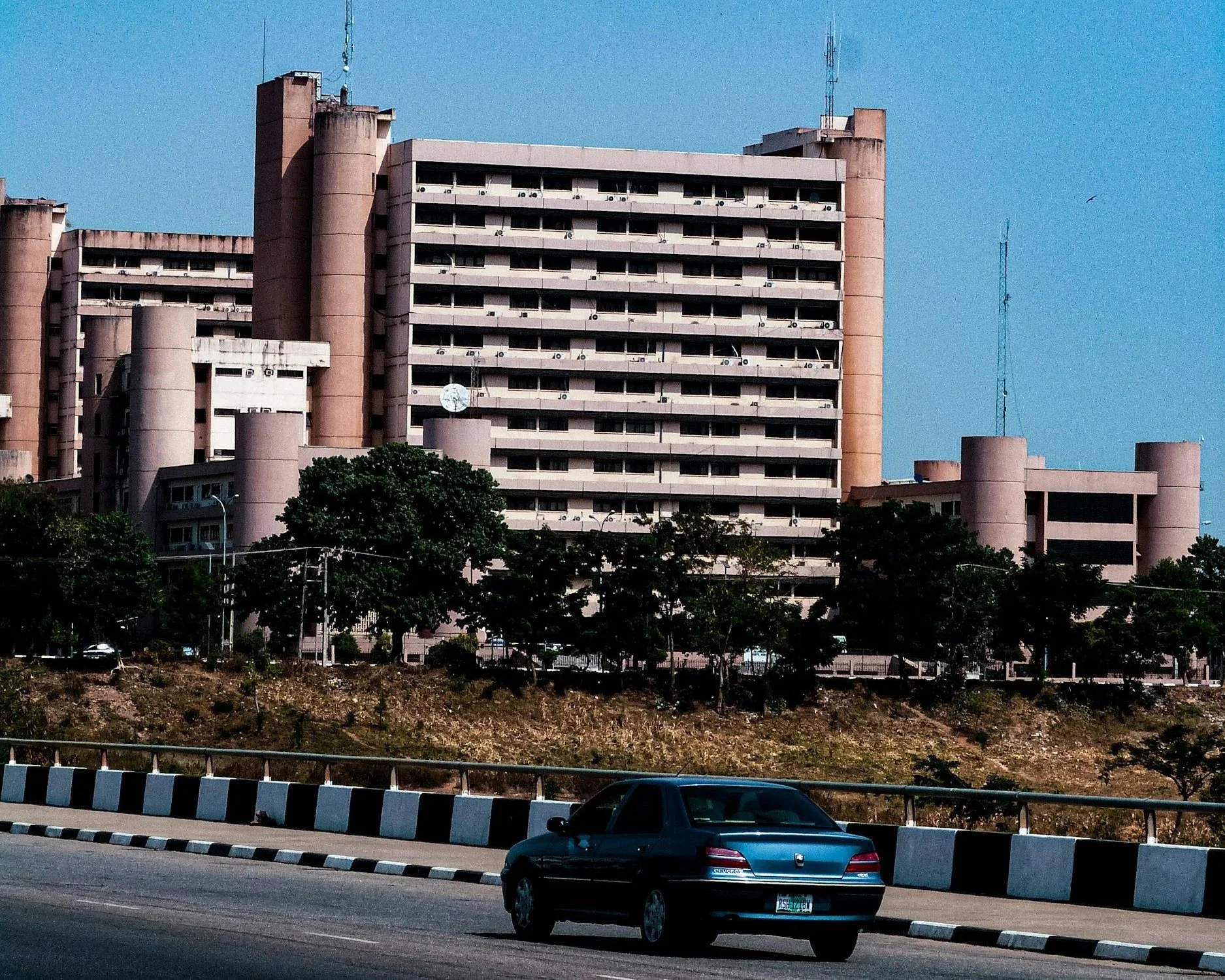
Abuja is Nigeria’s political and administrative capital, known for its structured layout, quieter neighborhoods, and relatively predictable living conditions. In 2026, the living expenses in Abuja reflect what many describe as the “price of order” in the capital.
While Lagos is fast-paced and commercial, the cost of living in Nigeria’s capital is often characterized as high but stable, particularly for housing and essential services.
Living Expenses in Abuja 2026: The Price of Order
For residents earning locally, Abuja offers a more balanced cost structure than Lagos. For foreign earners, however, the cost of living in Nigeria in USD can feel highest in Abuja when premium housing, security, and services are factored in.
What Abuja trades for higher upfront housing costs, it often returns in:
Reduced commuting stress
More reliable infrastructure
Lower transport variability
A calmer day-to-day living experience
This predictability is a key reason Abuja remains attractive to diplomats, senior professionals, and families.
Average Monthly Living Expenses in Abuja
Estimated monthly budgets:
Single adult: ₦400,000 – ₦700,000
Family of four: ₦1.3 million – ₦2.5 million
These figures place living expenses in Abuja slightly below Lagos for most residents, especially when transport and time-related costs are considered.
Is Abuja More Expensive Than Lagos?
Abuja vs. Lagos: Cost of Living Comparison (2026 Data)
| Category | Abuja (FCT) | Lagos (Island) |
|---|---|---|
| Safety Index | 48.2 (Moderate) | 31.2 (Low) |
| Avg Rent (1-Bed) | $426 USD / month | $563 USD / month |
| Local Dinner | $1.08 USD (₦1,550) | $2.50 USD (₦3,600) |
| Internet (Monthly) | $37 USD (Fiber) | $46 USD (Starlink/Fiber) |
| Primary Concern | High Property Maintenance | Traffic & Power Costs |
Source: Nigeria Housing Market Data Index, January 2026. Exchange Rate: ₦1,450/USD.
Overall, The answer depends on who you are and where you live.
For the average resident:
Abuja is marginally cheaper than Lagos overall
Better-planned infrastructure reduces daily transport costs
Less traffic lowers fuel and vehicle maintenance expenses
For expats and high-income earners:
The “entry price” into safe, high-quality housing is higher in Abuja
Districts like Maitama and Asokoro command the most expensive rents in Nigeria
Premium services are priced firmly in USD terms
In short, Abuja costs less to run, but costs more to enter.
Average Rent in Abuja (2026)
Housing remains the largest contributor to the living cost in Abuja.
Typical annual rents:
1-bedroom apartment: ₦1.8m – ₦3.5m
2-bedroom apartment: ₦3m – ₦6m
Premium districts (Maitama, Asokoro): significantly higher, especially for serviced units
Unlike Lagos, Abuja experiences fewer extreme rent spikes, making long-term budgeting more predictable.
Food, Utilities, and Transport Costs
Food costs in Abuja are generally lower than Lagos due to reduced logistics pressure.
Single adult food budget: ₦120,000 – ₦200,000 monthly
Transport expenses are also more controlled:
Shorter commute distances
Less congestion
Lower monthly fuel spend for most households
Utilities can still be costly, particularly where private power solutions are required, but overall volatility is lower than in Lagos.
Abuja vs Lagos: A Lifestyle Trade-Off
When comparing living expenses in Abuja with Lagos:
Abuja offers stability, structure, and predictability
Lagos offers opportunity, energy, and higher income upside
For families and long-term residents, Abuja’s calmer environment often justifies its housing premiums. For professionals focused on rapid career growth, Lagos may still outweigh the cost difference.