Local Government in Abuja: The Complete 2026 Guide to Area Councils
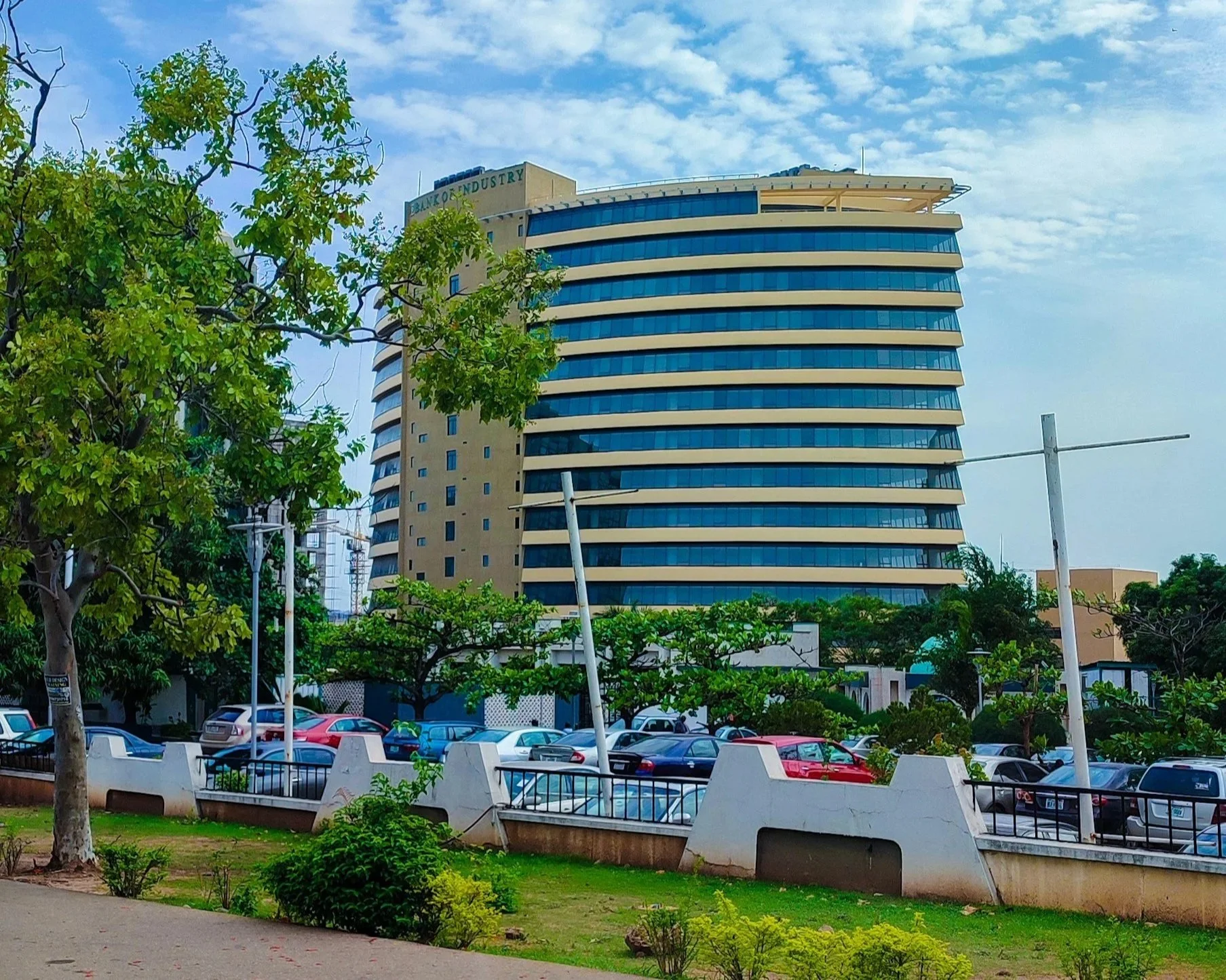
While most Nigerian states are divided into Local Government Areas (LGAs), the Federal Capital Territory (FCT) operates under a unique system of Area Councils. Managed by the Federal Capital Territory Administration (FCTA), these six councils are the primary drivers of grassroots development in Nigeria's capital.
As of early 2026, the FCT is seeing a massive population surge, with the metro area hitting an estimated 4.39 million residents. This growth makes understanding the administrative divisions of Abuja vital for investors, residents, and businesses.
The 6 Area Councils of Abuja and Their Headquarters
The FCT is divided into six Area Councils. Each is led by an elected Chairman and functions similarly to an LGA but reports directly to the Minister of the FCT (currently Nyesom Wike in early 2026).
| S/N | Area Council | Headquarters | Economic Drivers (2026 Update) |
|---|---|---|---|
| 1 | Abaji | Abaji | Major transit hub; gateway for southern trade; specialized in traditional crafts and rice farming. |
| 2 | Abuja Municipal (AMAC) | Area 10, Garki | Financial and political nerve center; houses the CBD, embassies, and premium real estate markets. |
| 3 | Bwari | Bwari | Education sector leader (Law School, JAMB); significant mining potential and MSME growth. |
| 4 | Gwagwalada | Gwagwalada | Industrial and academic zone (UniAbuja); center for specialized livestock and medical services. |
| 5 | Kuje | Kuje | "The Food Basket"; primary residential real estate expansion and high-yield commercial farming. |
| 6 | Kwali | Kwali | Tourism and transit commerce hub; world-famous for Kwali pottery and local manufacturing. |
*Data updated as of February 2026. Note: FCT Area Council elections are held every four years, with the latest cycle occurring in early 2026.
Administrative Structure: How Abuja is Governed
Unlike Lagos, which has an elected Governor, Abuja is administered as a Federal Territory.
The President: Functions as the "Governor" of the FCT under the 1999 Constitution.
The FCT Minister: Appointed by the President to oversee the Federal Capital Territory Administration (FCTA).
Area Council Chairmen: Elected officials who manage local infrastructure, primary health, and basic education within their respective councils.
2026 News Update: Accountability Reforms
In February 2026, the House of Representatives intensified oversight on the Area Councils, focusing on the remittance of internally generated revenue (IGR). AMAC remains the highest-earning council, accounting for over ₦2.19 billion in recent revenue audits, followed by Bwari and Kwali.
Abuja Area Councils: FAQ
How many local governments are in Abuja? Technically, there are zero LGAs in Abuja. Instead, there are 6 Area Councils.
What is the largest Area Council in Abuja? By landmass, Abaji and Kwali are significant, but by population and economic output, Abuja Municipal Area Council (AMAC) is the largest.
Who is the Chairman of AMAC in 2026? The administration is currently led by the elected Chairman (elections are held every four years; the last major cycle being in early 2022 and early 2026).
Quick Fact: The 36+1 Status
In the Nigerian Constitution, the FCT is often treated "as if it were a state." However, the Area Councils are the only local-level elected bodies in the territory.