The Abuja Story: Safety, People, and Crime Statistics in 2026
Last Updated: January 19, 2026
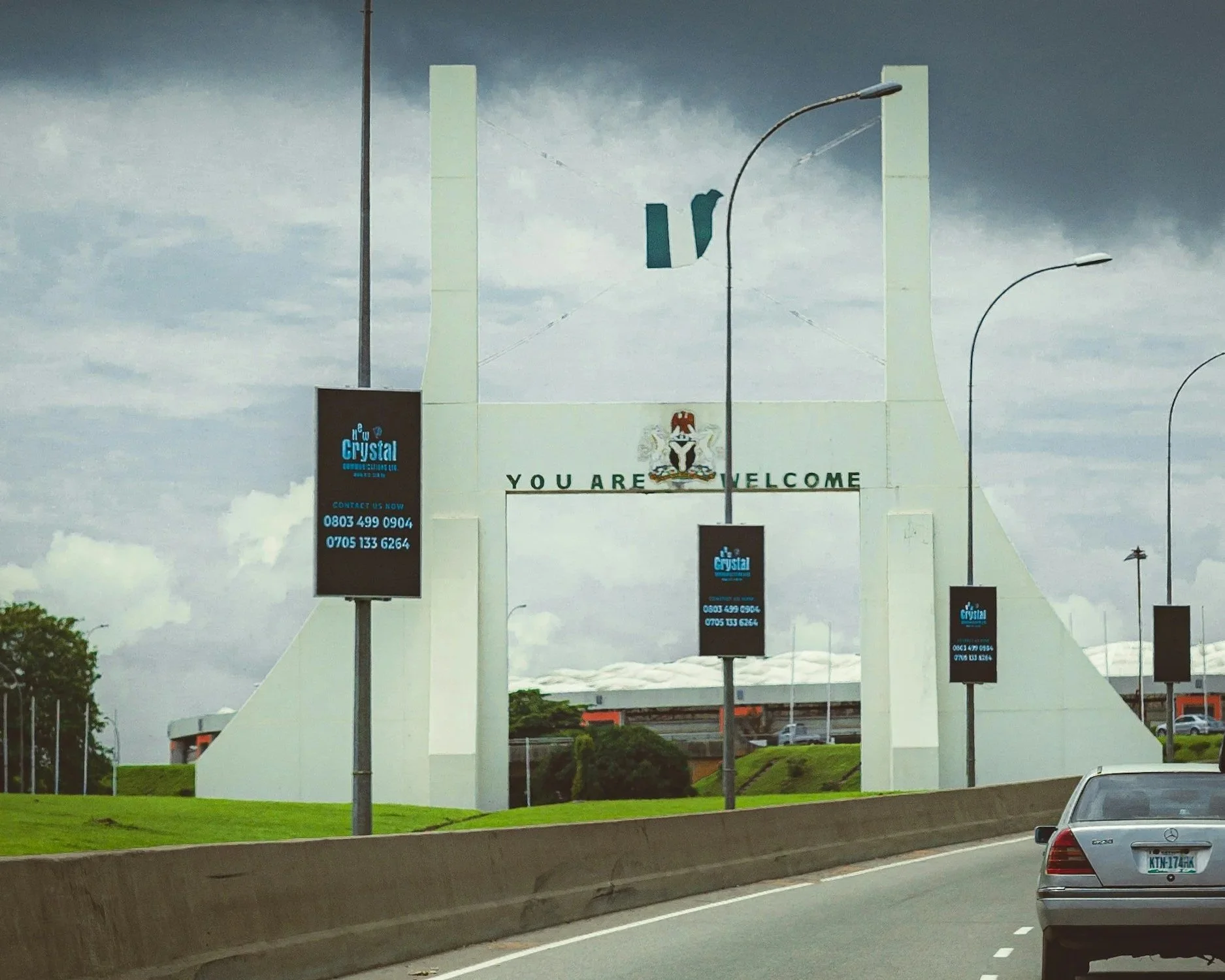
If Lagos is the heart of Nigeria’s economy, Abuja is its brain. The Abuja story began in the 1970s as a dream to create a neutral, planned capital that would unite all Abuja Nigeria people regardless of their ethnic background.
Today, it is one of the fastest-growing cities in the world. However, this rapid expansion brings questions about the crime rate in Nigeria's capital. Many new residents and investors ask, "what state is Abuja in?" (Answer: It is not in a state, but is the Federal Capital Territory (FCT)) and "is Abuja safe for families?"
Abuja Nigeria Crime Statistics 2026
While Abuja was designed to be a safe haven, the Abuja crime rate has shifted in 2026 due to urbanization. Unlike the "traffic robberies" common in Lagos, the FCT deals more with "One-Chance" vehicular crimes and security issues in the satellite towns.
Abuja (FCT) Crime & Population Statistics 2026
| Metric | Abuja FCT Data (2026) |
|---|---|
| Current Population | 4,392,000 (Metro Area) |
| Safety Rating | Moderate (48.2 Index) |
| Most Frequent Crime | Vehicle-borne "One-Chance" Theft |
| Safest Districts | Maitama, Asokoro, Wuse II |
The Population of Abuja in Nigeria
The population of Abuja in Nigeria is currently estimated at 4,392,000 in 2026. This represents a 4.3% increase from last year. This surge in Abuja Nigeria people is driven by those seeking government jobs, security, and a better organized "housing market" than the coastal cities.
The FCT is divided into six Area Councils:
AMAC (Abuja Municipal) - The most developed and safest.
Bwari - Rapidly growing educational hub.
Gwagwalada - Industrial and academic center.
Kuje, Kwali, and Abaji - More rural, with developing infrastructure.
What State is Abuja in? Understanding the FCT
Legally, Abuja is not a state. It is a Federal Territory governed directly by the Federal Government through the FCT Minister. This unique status means it receives a specialized budget for security, which historically keeps the crime rate in Nigeria lower within the capital's "City Center" (Phase 1 areas like Maitama, Asokoro, and Wuse).
Safety Tips for the Federal Capital
To stay safe in the FCT and avoid becoming part of the Abuja Nigeria crime statistics:
Verified Transport: Avoid "unpainted" taxis; stick to registered ride-sharing apps like Uber or Bolt.
Stay Within the "Phase 1" at Night: Areas like Garki, Central Business District, and Maitama have significantly higher security presence.
Satellite Town Vigilance: If you are visiting or living in Gwagwa or Karu, be aware that the crime rate in Nigeria is higher in these high-density suburbs.