
World Bank Approves $50m Solar Farming Expansion Project for Nigeria and Five African Nations
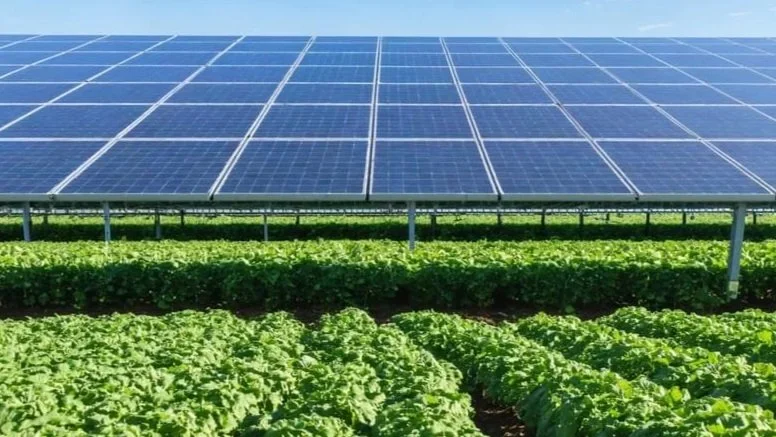
Solar Farming Expansion
The World Bank has approved $50 million in fresh funding to expand solar powered agricultural solutions across Nigeria and five other African countries. This initiative, channelled through the Productive Use Financing Facility (PUFF), aims to integrate renewable energy into the agricultural value chain to address chronic inefficiencies in food storage and processing.
Targeting Food Security and Post-Harvest Losses
The project is designed to combat significant post harvest losses that currently erode the incomes of Nigerian farmers. According to data from the agricultural sector, which employs more than one-third of Nigeria’s workforce, limited access to reliable electricity remains a primary barrier to industrialisation.
The $50 million facility will fund the deployment of solar powered infrastructure, including:
Cold Rooms and Refrigeration: To extend the shelf life of perishable produce.
Water Pumps: To support year round irrigation and climate resilience.
Grain Mills: To enhance local processing capabilities and value addition.
Beyond Nigeria, the beneficiary nations include Kenya, Ethiopia, Sierra Leone, Uganda, and the Democratic Republic of Congo. Implementation will be spearheaded by Clasp, a Washington DC based non profit organisation specialising in energy efficiency and clean energy access.
The Mission 300 Framework
This funding serves as a critical component of Mission 300, a flagship collaboration between the World Bank and the African Development Bank (AfDB). The overarching goal of Mission 300 is to provide electricity access to 300 million people across Africa by 2030.
Sub-Saharan Africa remains the global epicentre of energy poverty, accounting for approximately 80% of the world's population living without electricity. With an estimated 600 million people in the region lacking reliable power, the PUFF initiative seeks to bridge the "affordability gap" for rural farmers who are typically excluded from conventional financial markets.
Strategic Partnerships and Scaling Potential
The project has already attracted substantial philanthropic support. The Rockefeller Foundation has committed $12 million to the scheme, with Rajiv Shah, President of the Rockefeller Foundation, indicating that additional resources may be deployed as country level implementation progresses. On 15 January 2026, Shah noted that the foundation focuses on financing innovations that the World Bank and national governments can eventually take to scale.
The current expansion follows a successful two year pilot phase (2022–2024) during which PUFF supported 24 businesses across the six participating countries. This transition to full scale deployment reflects a growing consensus among international lenders that decentralised renewable energy is the most viable path to rural economic development.
Policy Outlook for Nigeria
For Nigeria, the project aligns with national goals to reduce dependence on fossil fuel powered generators and lower the cost of food production. By providing grants, subsidies, and technical assistance to equipment suppliers, the World Bank aims to create a sustainable market for "Productive Use" solar appliances.
Analysts suggest that if successfully implemented, this $50 million injection could serve as a blueprint for future Public-Private Partnerships (PPPs) in the renewable energy sector, potentially attracting further private capital to Nigeria's off grid market.
