
National Institute of Welding Urges Federal Investment to Boost Industrial Capacity
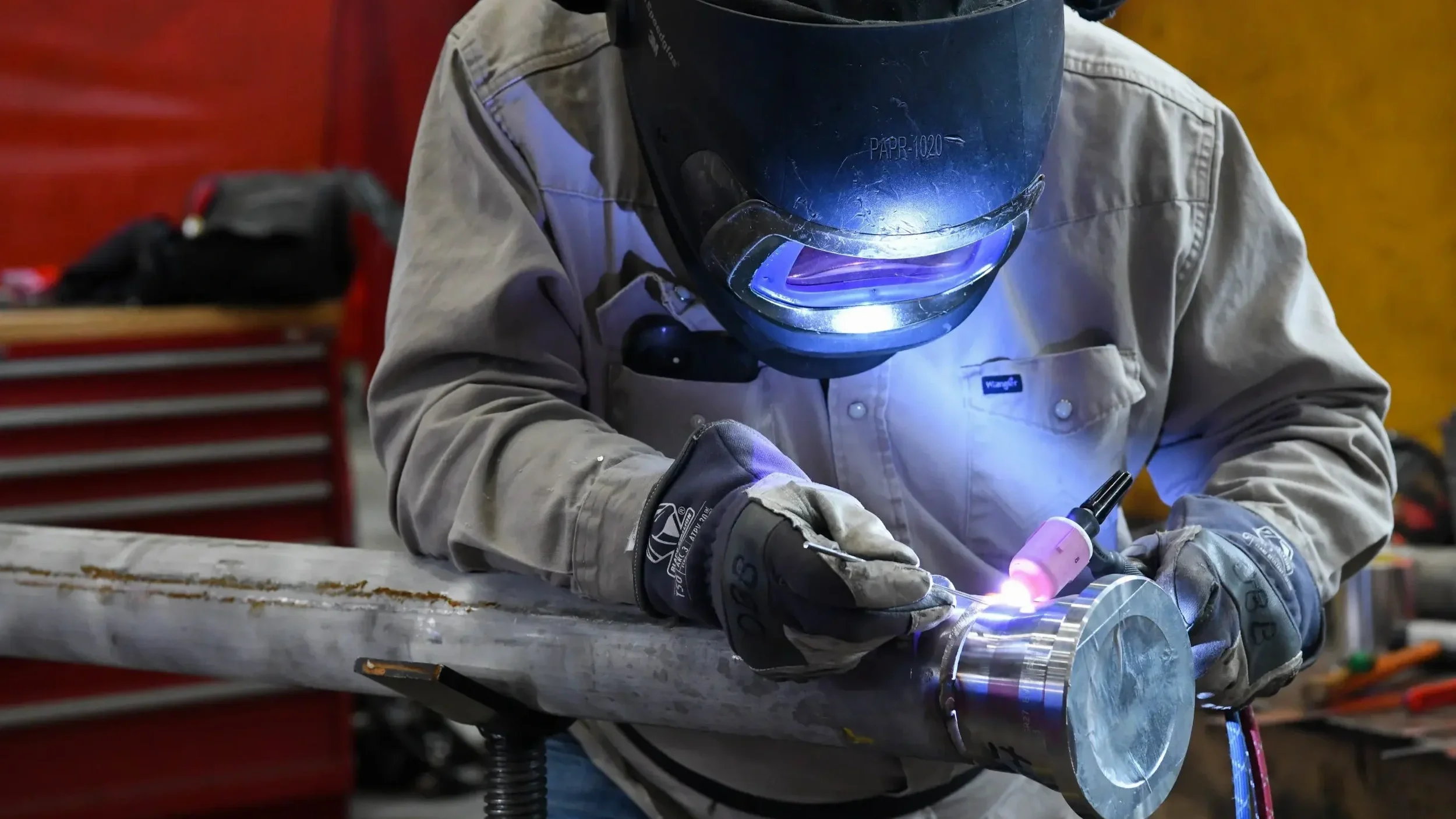
The National Institute of Welding (NIW) has called on the Federal Government to prioritize investment in welding technology and vocational skills development to enhance Nigeria’s industrial capacity and stimulate economic expansion. Dr. Solomon Edebiri, President of the NIW, emphasized that welding remains a fundamental driver of national development, underpinning the structural integrity of critical sectors ranging from energy to agriculture.
Speaking in an interview with the News Agency of Nigeria (NAN) on Monday, February 9, 2026, Dr. Edebiri noted that the profession’s contribution to Nigeria’s infrastructure is often understated despite its presence in nearly every industrial assembly process. He urged for a renewed focus on the National Welding Policy originally approved by the National Energy Council in October 2002 to ensure that domestic practices align with international benchmarks.
Cross-Sectoral Impact of Welding Technology
The NIW President provided a detailed analysis of how welding processes facilitate essential services across the Nigerian economy. According to Dr. Edebiri, the versatility of welding technology is indispensable to several high-priority sectors:
Telecommunications: Welding is essential for the fabrication and installation of masts and towers that support the nation's digital infrastructure.
Agriculture: The sector relies on welding for the production of tractors, processing equipment, and the construction of steel storage facilities such as silos.
Energy and Oil & Gas: Refineries, petrochemical plants, and the vast networks of pipelines used to transport crude oil and gas depend heavily on specialized welding for durability and safety.
Transportation: The development of ports, ferries, and other logistics infrastructure is predicated on advanced metal joining techniques.
Standardization and Global Competitiveness
A primary concern raised by the Institute is the need for rigorous quality assurance and international certification. Dr. Edebiri highlighted that the NIW, as a member of the International Institute of Welding, is authorized to provide training and certification that meet global guidelines. This ensure that Nigerian welders are equipped to handle complex projects that require high levels of safety and precision.
"The importance of welding cannot be overemphasized," Edebiri stated, noting that industries must adhere to quality assurance standards from the initial design stage through material selection to final integrity testing. He argued that a standardized welding sector would reduce reliance on foreign technical expertise, thereby retaining capital within the domestic economy.
Policy Recommendations for Industrial Advancement
To position Nigeria as a regional hub for industrial fabrication, the NIW recommends that the government integrate welding skills development into its broader economic blueprints. This includes:
Revitalizing the National Welding Policy: Updating and enforcing standards across all construction and manufacturing projects.
Increased Funding for Vocational Training: Equipping technical colleges and specialized institutes with modern welding equipment and simulators.
Encouraging Local Content: Mandating the use of certified domestic welding professionals in government-funded infrastructure projects.
The National Institute of Welding’s advocacy underscores the necessity of a skilled technical workforce in achieving Nigeria’s long-term industrialization goals. By investing in welding technology and enforcing global standards, Nigeria can ensure the safety and longevity of its infrastructure while creating a sustainable pathway for industrial growth. As the nation seeks to modernize its economy, the role of specialized technical trades like welding will be pivotal in bridging the gap between policy objectives and structural reality.
