
Stakeholders Propose Cost-Efficient Construction to Bridge Nigeria’s Housing Deficit
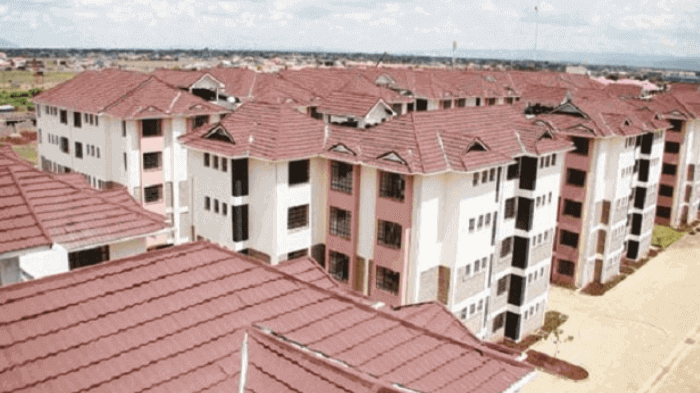
Real estate stakeholders and construction experts have intensified calls for the adoption of cost-efficient building technologies as a strategic necessity to address Nigeria’s widening housing deficit. The proposal seeks to pivot the industry toward innovative construction methods that reduce costs without compromising structural integrity or safety.
Industry analysts emphasize that traditional building methods have become increasingly unsustainable due to the rising costs of conventional materials, such as cement and steel, coupled with high labor expenses. By embracing cost-efficient alternatives, the sector aims to make homeownership more accessible to low- and middle-income earners who are currently priced out of the premium market.
Innovative Building Techniques and Material Alternatives
The push for cost-efficiency focuses on several key areas of innovation designed to streamline the construction process and lower the overall financial burden on developers and off-takers:
Alternative Building Materials: Experts advocate for the use of locally sourced materials, such as stabilized earth bricks and bamboo, which offer significant cost savings compared to imported or energy-intensive traditional materials.
Pre-fabricated and Modular Construction: The adoption of off-site manufacturing of building components is highlighted as a way to reduce waste, shorten construction timelines, and ensure consistent quality control.
Optimized Design Strategies: Architects are being encouraged to prioritize functional, space-efficient designs that minimize material usage while maximizing utility and ventilation.
Economic Drivers and Policy Requirements
The urgency for these reforms is underscored by Nigeria’s current economic climate. With inflation affecting the price of basic commodities and a high Monetary Policy Rate (MPR) currently at 27%, the cost of traditional construction has surged. Stakeholders argue that without a fundamental shift in building philosophy, the national housing shortage estimated to be in the millions of units will continue to worsen.
To support this transition, experts are calling for government intervention in the following areas:
Standardization of New Technologies: Establishing clear regulatory frameworks and building codes that recognize and certify cost-efficient materials and methods.
Incentives for Developers: Providing tax breaks or subsidies for developers who implement sustainable and low-cost housing projects.
Investment in Research and Development: Funding local research into indigenous building materials to reduce reliance on expensive imports.
Impact on Urban Renewal and Affordability
Transitioning to cost-efficient construction is not merely a technical adjustment but a social imperative. In cities like Lagos and Abuja, where luxury rents have surged as high as ₦75 million, the lack of mid-market options has led to increased urban congestion and the growth of informal settlements.
"Cost-efficient construction is the most viable pathway to achieving mass housing at scale," noted a leading industry professional. By reducing the entry barrier for homeownership, these methods can stimulate the real sector, create jobs in the local materials supply chain, and contribute to more orderly urban expansion.
As Nigeria grapples with a persistent housing crisis, the proposal for cost-efficient construction offers a pragmatic and scalable solution. While the transition requires a shift in both consumer perception and regulatory support, the potential for bridging the housing gap remains significant. The successful implementation of these strategies could redefine the Nigerian real estate landscape, making the goal of "housing for all" a more attainable reality.
