US Department of State Revokes Record 100,000 Foreign Visas in 2025 Following New Executive Order
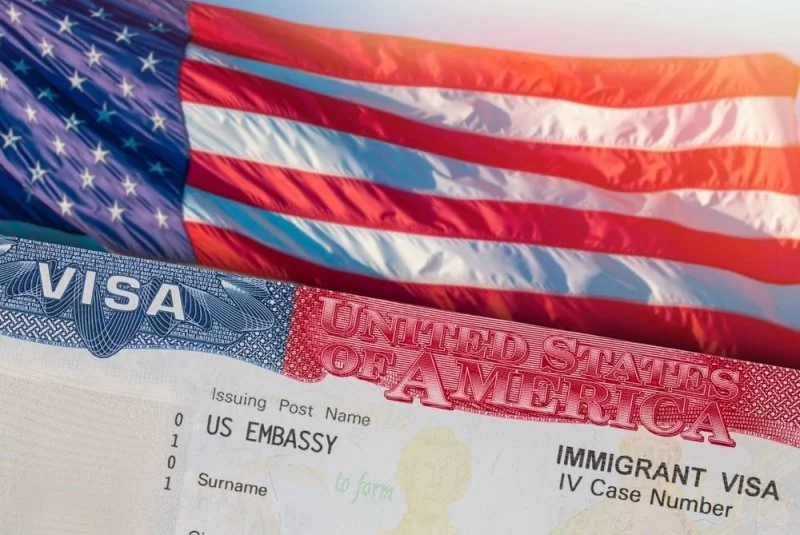
The record-breaking 100,000 visa revocations in 2025 signal a fundamental change in the U.S.
The United States Department of State revoked more than 100,000 foreign visas in 2025, establishing an all-time record and more than doubling the 40,000 withdrawals recorded in 2024. This surge in revocations follows the implementation of President Donald Trump’s day-one executive order focused on foreign vetting. The data reflects a significant shift in U.S. immigration enforcement, characterized by stricter eligibility standards and the expanded review of foreign nationals currently holding valid documentation.
Breakdown of Affected Visa Holders
The majority of the 100,000 revocations affected business and tourist travelers (B1/B2 categories) who were found to have overstayed their authorized period of admission. However, the enforcement actions also extended deeply into the academic and professional sectors:
International Students: Approximately 8,000 students lost their legal status in 2025.
Specialized Workers: Roughly 2,500 workers in specialized fields had their visas withdrawn.
According to a State Department spokesperson, the majority of students and specialized workers affected had encounters with law enforcement. Among specialized workers, the causes for revocation were categorized as follows:
50% linked to driving under the influence (DUI) arrests.
30% based on charges of assault, battery, or confinement.
20% resulting from theft, child abuse, fraud, embezzlement, or substance abuse.
Additionally, nearly 500 students faced revocation due to drug possession and distribution, while several hundred foreign workers were stripped of their status following allegations of child abuse.
Policy Context: The Executive Order on Vetting
The unprecedented volume of revocations aligns with President Trump’s broader fiscal and immigration stance. The administration has prioritized reduced migrant admissions and the reversal of policies established under the previous administration, citing severe strain on federal and state resources.
The President has frequently argued that rising migrant inflows stretch public finances in sectors such as healthcare, education, and social welfare. To support these claims, the administration recently highlighted data regarding the consumption of public benefits by immigrant households. A chart shared via the Truth Social platform indicated that 33.3% of Nigerian immigrant households, for example, receive some form of public assistance, including food aid and healthcare benefits.
Implications for Current and Future Applicants
The shift toward "continuous monitoring" means that a visa is no longer a static document but one subject to ongoing scrutiny. U.S. authorities have intensified the link between legal conduct and visa maintenance. For prospective applicants and current holders, the 2025 data underscores several critical requirements:
Strict Compliance: Adherence to stay durations is being monitored with near-zero tolerance.
Clean Legal Records: Even minor criminal encounters, particularly those involving alcohol or controlled substances, now serve as immediate triggers for revocation.
Financial Self-Sufficiency: The administration is favoring individuals who contribute economically without relying on government support.
Conclusion
The record-breaking 100,000 visa revocations in 2025 signal a fundamental change in the U.S. immigration posture. By doubling the previous year's figures, the Department of State has demonstrated an aggressive commitment to the vetting standards outlined in the new executive orders. As the administration continues to prioritize the reduction of migrant admissions and the removal of individuals who violate visa conditions, foreign nationals should expect a landscape of heightened surveillance and rigorous enforcement.