
US Increases Global Tariff Rate to 15% After Supreme Court Ruling
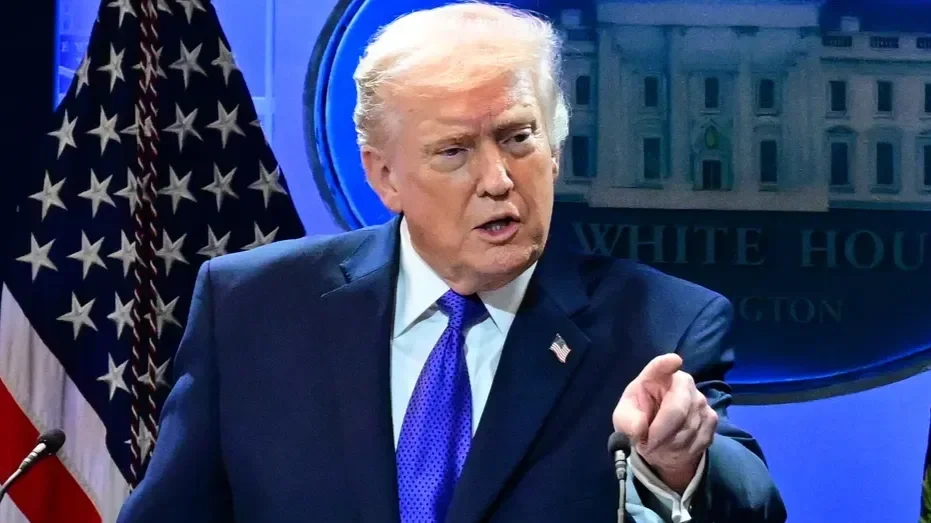
Trump Raises Global Tariffs to 15% Following Supreme Court Setback
US President Donald Trump has raised global tariffs to 15% after a legal setback at the Supreme Court of the United States, signalling a renewed escalation in US trade policy. The decision sets a new baseline tariff rate on imports and carries significant implications for global supply chains, inflation dynamics, and international trade relations.
The move follows a ruling that limited aspects of the administration’s earlier tariff framework, prompting the White House to recalibrate its strategy within the boundaries set by the court.
Policy Shift After Legal Constraints
The Supreme Court ruling restricted the scope of certain executive trade measures, compelling the administration to adjust its tariff architecture. In response, President Trump announced a uniform 15% tariff rate on a broad range of imported goods.
The White House framed the policy as a measure to protect domestic industries and address persistent trade imbalances. Administration officials stated that the revised structure complies with existing statutory authority governing trade enforcement and national economic security provisions.
The decision marks a structural shift from targeted tariffs towards a broader-based global rate, affecting imports across multiple sectors.
Economic and Market Implications
A 15% tariff represents a substantial cost adjustment for importers and multinational firms that rely on US-bound supply chains. Higher import duties typically increase landed costs, which businesses may absorb through narrower margins or pass on to consumers through higher prices.
Economists note that broad-based tariffs can contribute to inflationary pressures, particularly in sectors with limited domestic substitutes. The extent of the price impact will depend on the elasticity of demand and the ability of firms to reconfigure sourcing strategies.
Financial markets are likely to monitor the policy for its effects on:
Corporate earnings, especially in retail, manufacturing, and technology
Supply chain restructuring costs
Inflation expectations and Federal Reserve policy direction
Currency adjustments among major trading partners
Global Trade Relations
The tariff increase may trigger responses from key trading partners. Historically, broad tariff measures have prompted retaliatory duties or formal disputes through multilateral trade mechanisms.
Countries with significant export exposure to the United States could reassess trade negotiations or seek exemptions. Trade-dependent economies may experience currency volatility and export margin compression if reciprocal measures emerge.
The shift also places renewed focus on the rules-based global trading system and the role of institutions such as the World Trade Organization in resolving disputes.
Legal and Institutional Context
The Supreme Court’s involvement underscores the constitutional balance between executive trade authority and judicial oversight. While US law grants the executive branch significant powers in trade enforcement, the court’s ruling clarified statutory limits.
By adopting a recalibrated tariff structure, the administration seeks to maintain its protectionist agenda while operating within judicial constraints.
Policy analysts note that legal scrutiny may continue, particularly if affected industries or trading partners challenge the revised framework.
Investor Considerations
For investors and policymakers, the 15% tariff baseline introduces several strategic considerations:
Reassessment of global supply chain exposure
Sectoral revaluation in equity markets
Inflation trajectory adjustments
Potential geopolitical risk premium
Export-oriented economies and companies with heavy US market reliance may face earnings pressure. Conversely, domestic producers competing with imports could benefit from reduced foreign competition.
Bond markets may also respond if the tariff policy influences inflation expectations or alters the Federal Reserve’s rate path.
President Trump’s decision to raise global tariffs to 15% marks a decisive shift in US trade policy following a Supreme Court setback. The recalibrated approach reinforces the administration’s protectionist stance while navigating legal constraints.
For global investors, corporate strategists, and policymakers, the development introduces renewed uncertainty into trade flows, pricing structures, and geopolitical alignment. Market participants will now assess whether the new tariff regime stabilises under judicial scrutiny or prompts further economic and diplomatic adjustments.
