
Prime Real Estate in Lagos Defies Economic Pressures with Strong Occupancy and Rent Growth
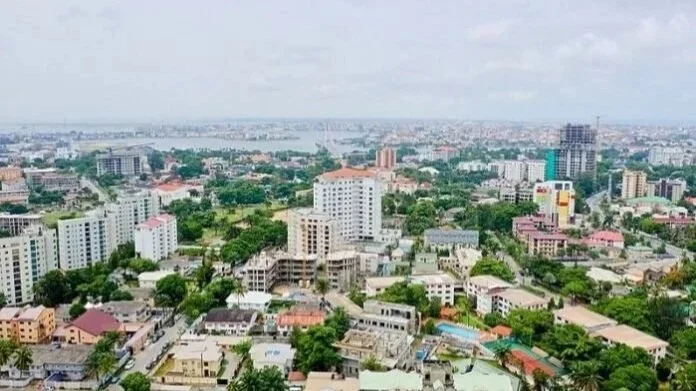
Contrary to expectations driven by macroeconomic headwinds, prime real estate corridors in Lagos, including Ikoyi, Victoria Island and Ikeja, have recorded robust occupancy rates and notable rent increases across office and residential segments. Market data show that despite inflationary pressures and hybrid work trends, demand for premium property in Nigeria’s commercial hub remains solid.
Prime Office Market Resilience
Office properties in Lagos’s core business districts have maintained exceptionally high occupancy rates in recent periods:
Ikoyi: 79 per cent occupied
Victoria Island: 83 per cent occupied
Ikeja: 82 per cent occupied
These figures stand in contrast to earlier forecasts that expected significant declines in office occupancy due to economic challenges and the rise of hybrid or flexible working models. The continued demand underscores the strength of Lagos’s commercial real estate market as a preferred base for corporate tenants.
Analysts attribute this performance to sustained corporate leasing activity, new Grade A stock deliveries and flexible space negotiation trends that anchored tenancy even amid cost pressures. New developments such as The Pantheon Tower (Ikoyi) and Phoenix Office Park (Ikeja) augmented supply while attracting long-term occupiers seeking quality space.
Residential Segment Accelerates Sharply
Prime residential corridors in Lagos have also outperformed expectations, with rents rising sharply between 2024 and 2025. Key developments include:
Average residential rents increased by 45 per cent across Banana Island, Lekki Phase 1, Ikoyi, Victoria Island and Magodo Phase 2.
Market observers link this rise to robust demand from high-income earners, diaspora investors and individuals seeking premium living spaces in established nodes. The acceleration in rents reflects not only input cost adjustments but also a structural repricing of land and housing values in Lagos’s top corridors.
In addition, other areas such as Yaba and Surulere have seen striking upsides in rent growth with some sub-segments experiencing several-fold increases illustrating realignment in residential demand patterns.
Drivers of Outperformance
Several factors underpin the resilience of prime Lagos property:
Corporate Demand & Quality Space:
High-quality Grade A office space continues to attract long-term occupiers resistant to flexible work displacement. Strategic locations near major transport arteries and professional amenities sustain tenant interest.
Diaspora and High-Income Residential Demand:
Prime residential nodes remain coveted by affluent residents and diaspora buyers prioritising secure, premium accommodation with proximity to commercial centres.
Infrastructure and Strategic Urban Investment:
Infrastructure projects such as deep-sea ports and transit links are increasingly shaping where investors and tenants seek space, redefining value corridors across Lagos.
Risks and Market Nuances
Despite strong prime performance, broader real estate indicators suggest a nuanced market:
Elevated construction costs and high energy expenses have pressured landlords, leading to concessionary lease strategies in some segments.
Mid-market segments are experiencing significant rent growth but at varied rates compared with prime nodes.
Rising property listings and longer average time-on-market in some districts point to inventory build-ups that could temper future absorption rates.
These dynamics indicate that while prime corridors outperform, investors and developers must remain attentive to evolving supply conditions and tenant preference shifts.
Lagos’s prime real estate corridors have demonstrated remarkable resilience and performance in the face of economic uncertainty, with high occupancy rates and strong rent growth defying earlier expectations. For investors, corporate occupiers and policymakers, the trends highlight persistent demand for quality space in strategic urban nodes and a real estate market that continues to respond dynamically to infrastructure developments, demographic shifts and capital flows.
