
Tomato Farmers in Kaduna and Kano Urge Government Action to Curb Post-Harvest Losses
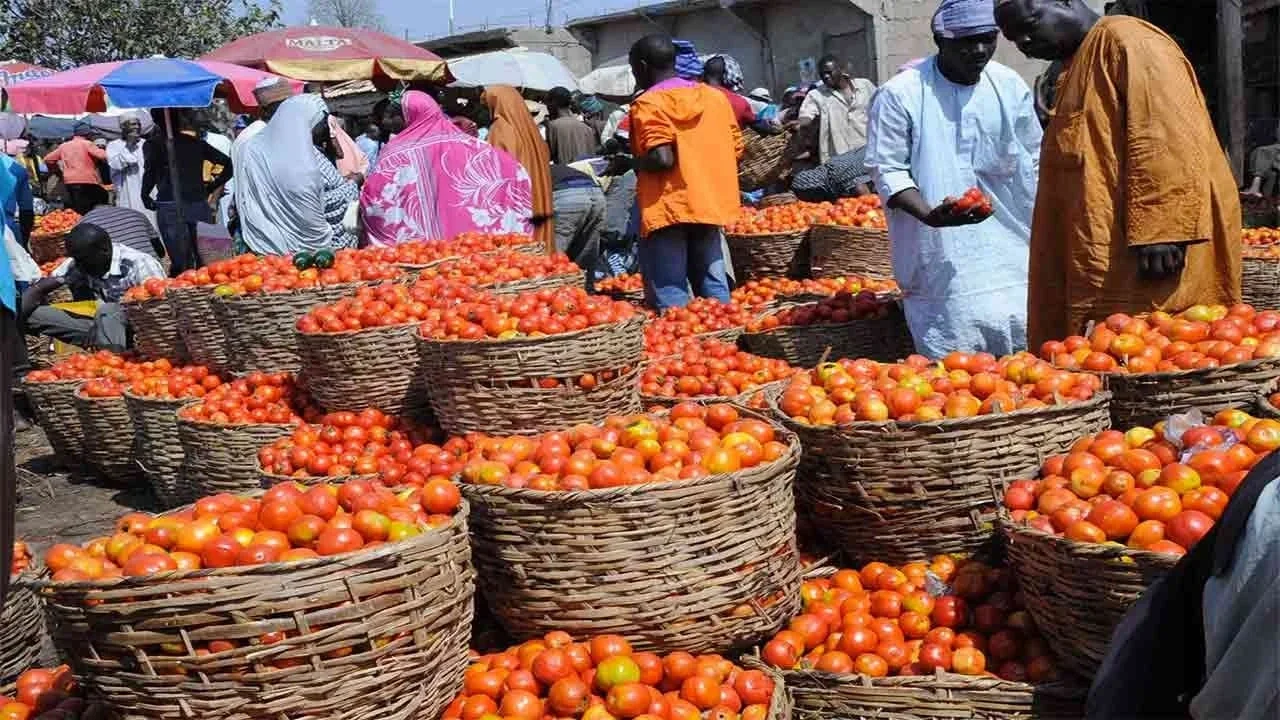
Kaduna, Kano Tomato Producers Seek Policy and Infrastructure Support to Curb Waste
Tomato farmers in Nigeria’s key production states of Kaduna and Kano have appealed to federal and state authorities for targeted interventions to reduce significant post-harvest losses that undermine incomes, food security and value chain sustainability. The call comes amid rising input costs, inadequate storage infrastructure and persistent pest pressures affecting yields and marketability.
Current Challenges in the Tomato Value Chain
Tomatoes are a staple in Nigerian diets and a major source of livelihood for smallholder farmers in the north-west. Kaduna and Kano, alongside Plateau State, account for a substantial share of domestic tomato output.
However, farmers have reported recurring post-harvest losses of up to forty per cent of their harvests due to a combination of high perishability, inadequate preservation facilities, limited access to agricultural inputs, and pest challenges.
Without adequate cold storage, processing facilities or transport infrastructure, many producers are compelled to sell fresh produce immediately after harvest, often at reduced prices, eroding profit margins and economic viability.
Farmers’ Appeal for Government Support
Representatives of the National Tomato Growers, Processors and Marketers Association of Nigeria (NATPAN) are calling on both federal and state governments to adopt a multi-faceted support strategy.
Key areas of intervention highlighted by farmers include:
Modern Storage Facilities: Investment in cold storage and controlled-atmosphere units to extend shelf life and reduce spoilage.
Affordable Inputs: Subsidised or controlled-priced fertilisers, pesticides and farm equipment to improve crop management and mitigate pest impact.
Mechanisation and Logistics: Support for transportation infrastructure and provision of plastic crates to replace traditional baskets, which contribute to mechanical damage during transit.
Revival of Processing Plants: Restoration of moribund tomato processing facilities to absorb surplus production and enhance value addition.
Farmers further emphasised the importance of collaboration between government agencies, private sector stakeholders, and development partners to deploy scalable, climate-resilient storage technologies and processing hubs.
Broader Sector Context
Post-harvest losses are widely recognised as a systemic constraint across the Nigerian horticulture sector. Interventions by institutions such as the Food and Agriculture Organization (FAO) and private sector programmes have aimed to introduce solar-powered dryers, improved drying infrastructure, and climate-smart agronomic practices, particularly in Kaduna’s farming clusters.
In addition, industry initiatives like the HortiNigeria programme have secured enhanced credit guarantees and funding to support the adoption of plastic crate systems that reduce transport-related losses.
Despite these developments, farmers maintain that governmental roles remain essential in scaling up infrastructure, lowering input costs, and enhancing extension services to improve productivity and reduce systemic waste.
Economic and Food Security Implications
High post-harvest losses not only diminish farmers’ incomes but also contribute to price volatility in domestic markets and heightened reliance on imported processed tomato products. Persistent waste along the value chain limits Nigeria’s capacity to retain more value domestically and meet consumer demand affordably.
Effective government action could improve market stability, increase producer returns, and support downstream industries, including food processing and agro-enterprise development.
Tomato farmers in Kaduna and Kano are pressing for decisive government support to arrest rising post-harvest losses that threaten livelihoods and sector growth. The proposed interventions span infrastructure, inputs and logistics, and align with broader agricultural development goals. Strategic policy choices and investments today could strengthen Nigeria’s horticultural value chains, improve food security outcomes and expand economic opportunities for rural producers.
