
Escalating Violence in Plateau: 19 Killed in Serial Rural Attacks, Residents Warn of Wasteland Transformation
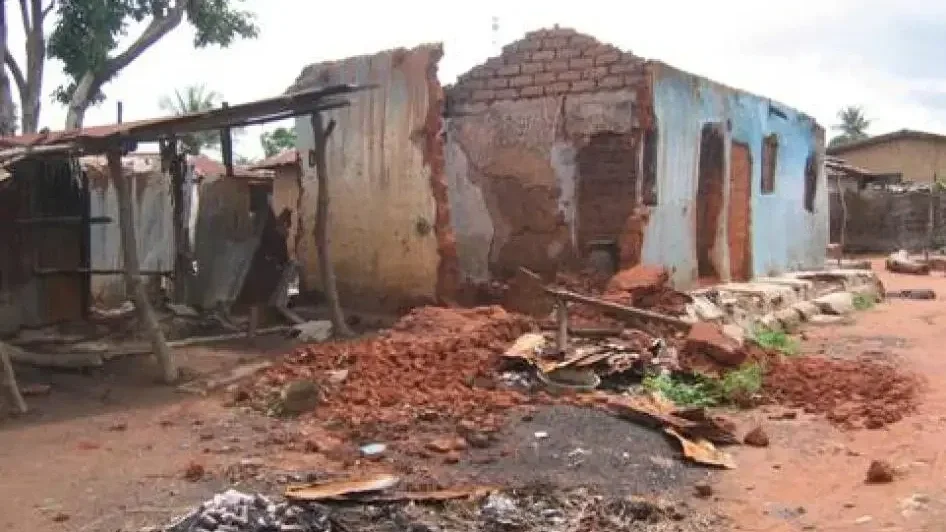
Plateau Lands Turn into Wastelands as Rural Attacks Kill 19
A surge in coordinated attacks by armed gunmen across rural communities in Plateau State has left at least nineteen people dead and triggered widespread fear, displacement, and economic disruption. The violence, concentrated in Barkin Ladi and Riyom Local Government Areas, has transformed fertile farmlands into perceived “wastelands,” undermining agricultural livelihoods and community stability.
Rural Escalation: A Spike in Lethal Violence
Over the course of recent weeks, multiple communities in Plateau State have experienced a sharp escalation of violent incidents involving suspected armed groups. The spate of attacks began on February 19, 2026, with the killing of three herders on the Dorowa-Jong road in Barkin Ladi Local Government Area. Since then, gunmen have struck villages, ambushed travellers, and raided community centres, leading to a cumulative death toll of nineteen.
Eyewitness accounts describe assailants storming a local bar in Dorowa Bubuje around 19:30 hours, firing indiscriminately at patrons. In neighbouring Riyom LGA, teenagers grazing cattle were shot and killed, while travellers and traders were ambushed on rural roads, compounding a climate of fear.
Root Causes: Long-Standing Tensions and Complex Dynamics
Security sources attribute the recent violence to entrenched tensions between farming communities and herders, rooted in competing claims over land use, grazing routes, water access, and crops. Both sides blame each other for a cycle of retaliation, cattle rustling, and crop destruction.
Local leaders and youth groups characterise the attackers as well-armed gunmen or “terrorists,” with some residents specifically citing suspected Fulani militias or bandits. Conversely, the Miyetti Allah Cattle Breeders Association of Nigeria (MACBAN) condemned the killings of herders as senseless and has urged condemnation of violence from all quarters.
Impact on Communities and Agriculture
The human cost of violence is matched by severe socio-economic disruption. Residents report that fear of ambushes and gunfire has curtailed daily farming activities, leaving fields fallow and planned planting seasons jeopardised. Farmers in Jol village highlight that uncertainty over safety has precipitated abandonment of farmlands, loss of crops, and reduced future yield prospects.
Many families have fled rural settlements for urban centres or internally displaced person (IDP) sites, surrendering homes, livestock, and agricultural tools. This displacement diminishes agricultural output and raises broader concerns about food security, livelihoods, and local market supply chains in Plateau State and beyond.
Government and Security Response
Security agencies, including military units and local law enforcement, have responded to several incidents. Troops under Operation Enduring Peace were deployed to affected areas, with commanders urging residents to provide information and refrain from retaliation.
State authorities, led by Caleb Mutfwang, have condemned the killings and intensified security operations in hotspots. Initiatives include recruiting additional personnel for Operation Rainbow, a state security outfit focusing on intelligence and early warning systems, and advocating for community reconciliation efforts.
Despite these efforts, critics note that arrests and prosecutions remain limited, and protest actions including highway blockades by youths in Barkin Ladi signal growing frustration with perceived gaps in protection and justice.
Broader Security Context and Future Risks
The incidents in Plateau mirror a broader security challenge confronting central and northern Nigeria, where rural communities across multiple states face recurrent violence from armed groups, bandits, and militants with diverse motivations. The human toll, combined with economic and agricultural disruptions, underscores the urgency of strengthening coordinated security strategies, community engagement, and development interventions.
Addressing the underlying drivers whether competition over land and resources, weak law enforcement, or unresolved communal grievances will be crucial to preventing further deterioration of rural stability and ensuring that Plateau’s fertile lands do not become permanent “wastelands.”
The serial attacks that have claimed nineteen lives in Plateau State mark a significant escalation in rural insecurity. The violence affects not only human lives but also agricultural productivity and community resilience. Despite responses from security forces and state leadership, sustained, multi-layered efforts that combine enhanced protection with conflict resolution are essential to restore confidence and secure the future of the region’s rural economy
