
Tinubu Nominates Taiwo Oyedele as Nigeria’s Minister of State for Finance
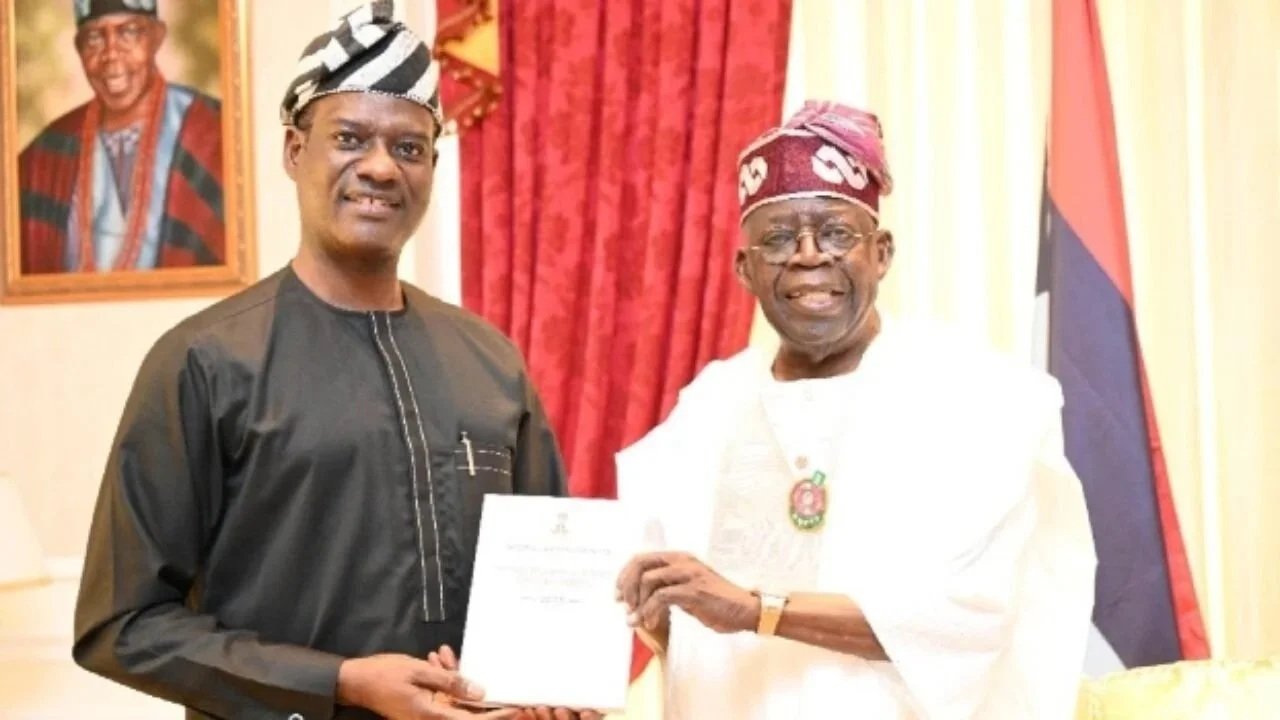
Tinubu Nominates Taiwo Oyedele as Minister of State for Finance
President Taiwo Oyedele has been nominated as Minister of State for Finance by President Bola Tinubu, marking a key personnel change in Nigeria’s fiscal leadership. The nomination, transmitted to the Senate of the Federal Republic of Nigeria for confirmation, replaces Dr Doris Anite-Uzoka, who has been redeployed to the Ministry of Budget and National Planning in a fresh cabinet adjustment.
Cabinet Reshuffle and Strategic Significance
President Tinubu’s decision to elevate Mr Taiwo Oyedele until now the Chairman of the Presidential Committee on Fiscal Policy and Tax Reforms reflects a broader strategy to reinforce fiscal management and revenue mobilisation amid ongoing economic reform efforts.
The Minister of State for Finance position is a senior role within the Ministry of Finance, tasked with supporting the substantive minister in advancing fiscal policy, revenue strategy, and financial governance. Oyedele’s nomination has been formally conveyed to the Senate by letter to its President, Godswill Akpabio, initiating the confirmation process.
Profile of the Nominee
Mr Oyedele, a native of Ikaram, Akoko in Ondo State, is a seasoned economist, accountant, and public policy expert. He chaired the Presidential Committee on Fiscal Policy and Tax Reforms, which overhauled Nigeria’s tax framework to streamline revenue structures and widen the tax base a central pillar of the current administration’s fiscal reform agenda.
His educational background includes a Higher National Diploma (HND) in Accountancy and Finance from Yaba College of Technology and a BSc in Applied Accounting from Oxford Brookes University. Oyedele has also completed executive education programmes at globally recognised institutions, including the London School of Economics, Yale University, Gordon Institute of Business Science, and the Harvard Kennedy School.
Professionally, Oyedele spent 22 years at PricewaterhouseCoopers (PwC), rising to become Fiscal Policy Partner and Africa Tax Leader, where he led high-level fiscal and tax advisory engagements across the continent. He is also a professor at Babcock University and a visiting scholar at Lagos Business School.
Strategic Implications
The nomination arrives at a critical juncture for Nigeria’s economy, as government authorities emphasise fiscal consolidation, revenue generation, and macroeconomic stability. Oyedele’s prior role in reshaping the tax code — including consolidating multiple levies into streamlined frameworks places him at the centre of efforts to deepen tax compliance and broaden the government’s revenue base.
His appointment could signal intensified focus on aligning tax policy with broader economic objectives, including improving the ease of doing business, boosting investor confidence, and reducing reliance on borrowing for government financing. Economists and stakeholders view the move as reinforcing technical capacity within the Ministry of Finance ahead of key fiscal policy milestones.
Transition and Next Steps
Dr Doris Anite-Uzoka until recently Minister of State for Finance has been reassigned to the Ministry of Budget and National Planning, marking her third ministerial portfolio under the current administration. This redeployment underscores continued cabinet realignment aimed at positioning experienced officials across strategic economic ministries.
Following transmission of his nomination to the Senate, Mr Oyedele is expected to undergo legislative screening and confirmation before formally assuming his responsibilities. Upon confirmation, he will join the Ministry’s leadership team to support fiscal policy implementation and public finance reform initiatives.
President Tinubu’s nomination of Taiwo Oyedele as Minister of State for Finance underscores a strategic emphasis on strengthening Nigeria’s fiscal architecture through seasoned technocratic leadership. Oyedele’s extensive experience in tax reform and economic policy positions him to play a substantive role in advancing the administration’s economic priorities, particularly in revenue mobilisation and fiscal governance. The Senate’s review and confirmation will be closely watched by investors, policymakers, and economic stakeholders anticipating continuity and depth in Nigeria’s financial reform trajectory.
