
Federal Government Bans Roadblocks for Tax Collection Nationwide
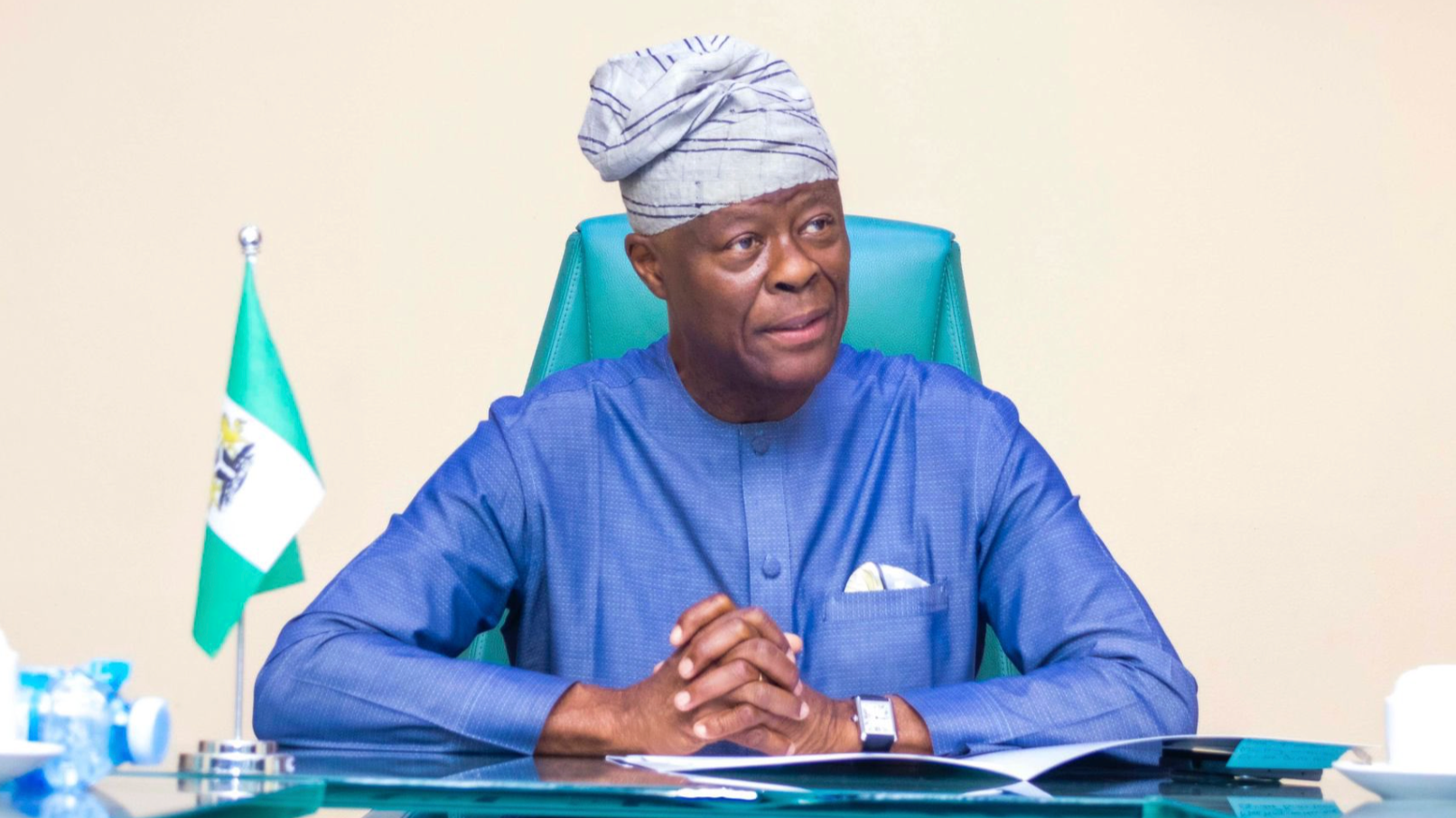
FG Bans Roadblocks for Tax Collection in Major Tax Reform Move
The Federal Government of Nigeria has officially banned the use of roadblocks to collect taxes and levies across the country as part of a broader regulatory overhaul to strengthen tax administration under the new Presumptive Tax Regulations and Guidelines. The ban is designed to eliminate coercive practices, enhance transparency, and support the formalisation of informal economic activities.
Regulatory Framework and Policy Scope
At a signing ceremony held in Abuja, the Presumptive Tax Regulations and Guidelines were formalised to implement the country’s updated tax laws on a nationwide basis. Under the framework, all tiers of government are barred from using roadblocks including checkpoints on highways and public roads to enforce tax and levy collection.
The Joint Revenue Board (JRB), which co-authored the regulations with the federal Ministry of Finance, emphasised that the roadblocks ban is part of a broader effort to remove arbitrary and fragmented revenue practices that have long affected business operations, particularly in the informal sector.
Objectives of the Ban and Tax Reforms
The prohibition of roadblocks aligns with the government’s objective to modernise tax administration, eliminate informal and coercive tax practices, and entrench equity and clarity in revenue collection. Historically, transport operators, traders, and businesses have criticised roadblocks as disruptive and arbitrary, often resulting in inefficiency and increased operational costs.
Officials also banned cash tax collection under the same regulations, requiring revenue authorities to adopt technology-driven payment platforms and standardised tax identification systems measures expected to support compliance, traceability, and integrity in tax reporting and remittance.
Impact on Informal Sector and Small Businesses
One of the central aims of the new regulations is to integrate millions of informal businesses into the formal economy through a presumptive tax regime. Under this system:
Micro and nano businesses with annual turnover below defined thresholds are exempted from tax.
Other informal enterprises will pay a one per cent levy on turnover.
Technology-driven payment systems are promoted over cash transactions to enhance transparency and accountability.
The Finance Minister and Coordinating Minister of the Economy, Wale Edun, described the regulations not as a measure to increase tax burdens but as a structural reform to broaden the tax base, simplify compliance, and protect small enterprises from arbitrary assessments.
Government’s Growth and Inclusion Rationale
Officials argued that eliminating roadblocks and cash collections will help create a predictable, transparent tax environment that encourages business growth and formal participation. By standardising procedures and integrating informal operators into the tax net, the federal government aims to widen revenue streams without raising existing tax rates, thereby fostering inclusion in the fiscal architecture.
The framework reflects the larger reform agenda pursued through tax laws enacted in 2025 and early 2026, which collectively seek to simplify tax codes, reduce compliance costs, and strengthen economic resilience.
The banning of roadblocks for tax and levy collection marks a pivotal step in Nigeria’s ongoing tax reform efforts. By eliminating outdated and coercive enforcement mechanisms, the Federal Government aims to institutionalise fairness and transparency in revenue administration, especially for small and informal businesses. As the Presumptive Tax Regulations take effect, policymakers, businesses, and tax authorities will assess how these reforms influence compliance, revenue mobilisation, and economic formalisation in the near term.
