
Vice President Shettima to Present Nigeria’s 2026 Economic Roadmap at World Economic Forum
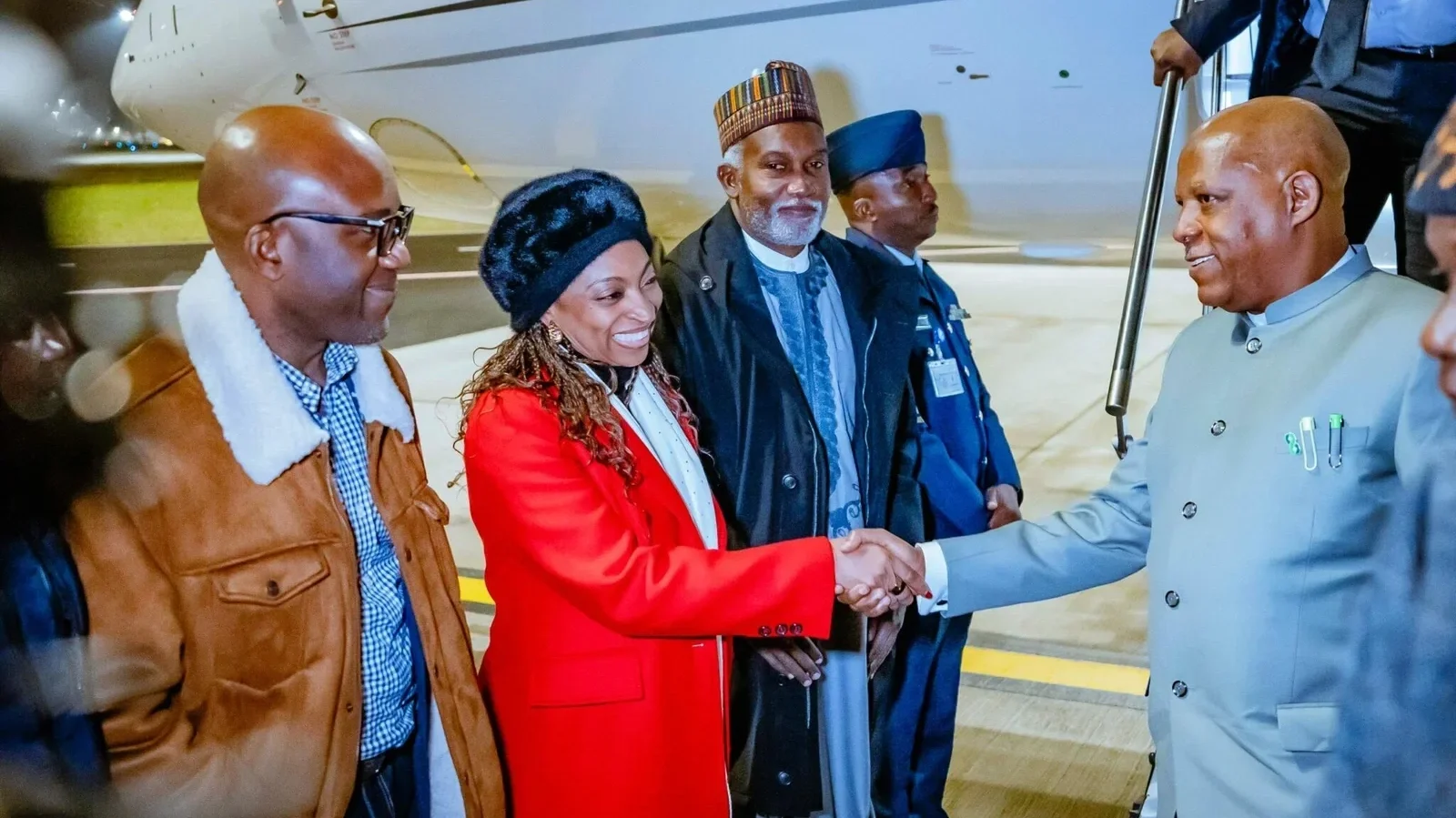
Vice President Kashim Shettima.
Vice President Kashim Shettima is set to represent Nigeria at the 56th World Economic Forum (WEF) in Davos, Switzerland, where he will present the nation’s 2026 economic outlook to global leaders and investors. The Vice President’s participation aims to showcase Nigeria’s recent macroeconomic reforms and signal the country’s readiness for increased Foreign Direct Investment (FDI) across key sectors including energy, digital economy, and agriculture.
High-Level Engagement and Economic Diplomacy
The Vice President’s itinerary includes several high-level bilateral meetings and plenary sessions focused on the theme of global cooperation and economic resilience. According to a statement from the Presidency, the Nigerian delegation intends to engage with heads of state, global CEOs, and representatives from multilateral financial institutions. These engagements are designed to align Nigeria’s domestic growth strategies with international capital flows, particularly as the administration seeks to stabilise the Naira and curb inflationary pressures.
Focus on Structural Reforms and Investment Infrastructure
Central to the Vice President’s presentation will be the progress of the current administration’s "Renewed Hope" agenda. The 2026 outlook is expected to detail specific milestones in the removal of trade barriers and the enhancement of the "ease of doing business" framework. Analysts expect Shettima to emphasize the strategic importance of the Nigerian gas industry and the burgeoning tech ecosystem as primary drivers for regional stability and continental growth. By presenting a clear fiscal roadmap, the government aims to reassure the international community of its commitment to transparent governance and long-term economic sustainability.
Addressing Global Challenges and Regional Leadership
Beyond domestic interests, Nigeria’s participation at Davos serves to reinforce its role as a leader within the Economic Community of West African States (ECOWAS) and the African Continental Free Trade Area (AfCFTA). The Vice President will likely participate in discussions regarding Africa’s energy transition and the global supply chain, advocating for equitable investment partnerships. This platform allows Nigeria to influence global economic policy decisions that affect emerging markets, ensuring that the country’s 2026 projections are integrated into the broader global economic discourse.
A Strategic Pivot for 2026
The presentation of Nigeria’s economic outlook at the 56th WEF represents a strategic effort to re-position the nation as Africa’s premier investment destination. For policymakers and institutional investors, the clarity provided in this roadmap will be essential for assessing risk and identifying growth opportunities in the coming fiscal year. The success of this diplomatic mission will be measured by the subsequent volume of capital commitments and the strengthening of bilateral economic ties in the months following the forum.
