
Repositioning Nigeria’s Housing Sector: The Strategic Role of the National Council
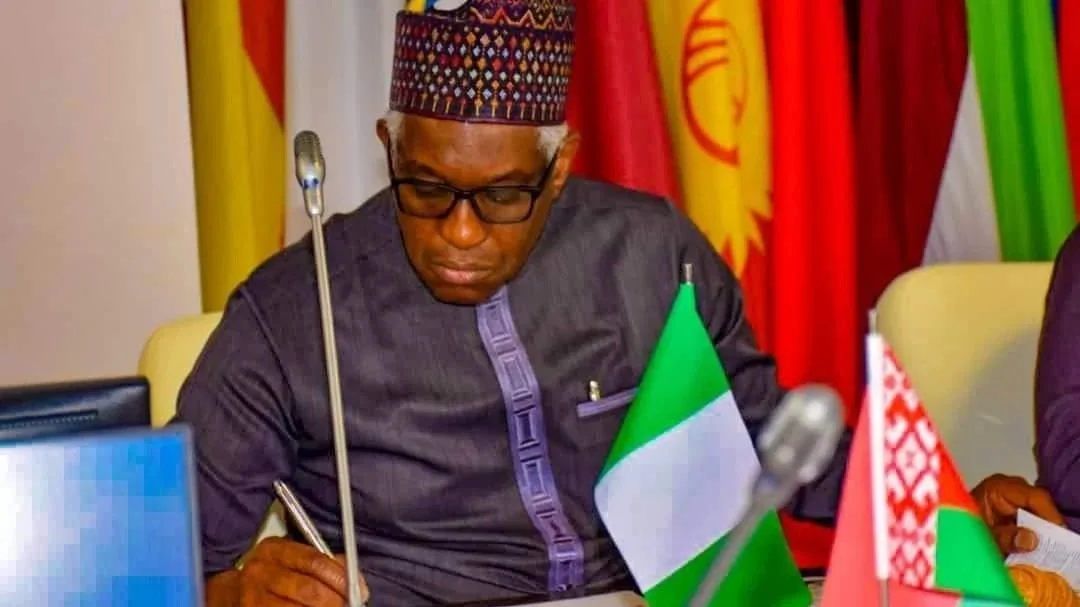
Dr Shuaib M.L. Belgore, OON Permanent Secretary, Federal Ministry of Housing and Urban Development.
The National Council on Housing and Urban Development has been identified as the primary institutional mechanism for repositioning Nigeria’s built environment and addressing systemic challenges within the housing sector. Architect Mohammed Belgore, a prominent figure in the industry, asserted that the council’s role in policy formulation and inter-governmental coordination is essential for achieving sustainable growth and reducing the nation’s housing deficit.
Institutional Coordination and Policy Alignment
The built environment in Nigeria faces fragmented regulatory frameworks and inconsistent implementation across the 36 states. According to Arch. Belgore, the National Council on Housing serves as a vital platform where the Federal Government and state commissioners deliberate on harmonising building codes, land administration, and urban planning strategies.
By fostering collaboration between sub-national entities and the federal ministry, the council ensures that housing policies are not merely conceptual but are executable at the local level. This alignment is necessary to create a predictable environment for investors and developers who require regulatory certainty to commit long-term capital to large-scale housing projects.
Addressing the Housing Deficit through Innovation
A central theme of the council’s mandate is the exploration of innovative financing and construction methodologies. With Nigeria’s housing gap requiring significant annual investment, Belgore highlighted the need for the council to promote the adoption of local building materials and modern technology to drive down the cost of construction.
The council’s influence extends to the promotion of the National Housing Fund (NHF) and other mortgage-related reforms. By addressing the barriers to homeownership—specifically high interest rates and difficult access to land titles—the council aims to stimulate demand and supply simultaneously. This dual-track approach is intended to make affordable housing a reality for a larger segment of the Nigerian population.
Strategic Importance for Professionals and Policymakers
For professionals within the built environment, including architects, engineers, and town planners, the council’s resolutions provide a roadmap for industry standards and professional practice. Belgore noted that the repositioning of the sector requires a strict adherence to safety standards and the eradication of substandard building practices which have led to frequent building collapses in urban centres.
Policymakers view the council as the engine room for the "Renewed Hope" cities and estates programme. The council's ability to facilitate land provision from state governments is the linchpin for federal housing initiatives. Without this synergy, the pace of infrastructure delivery would likely remain sluggish, further exacerbating urban congestion and the growth of informal settlements.
The National Council on Housing and Urban Development remains the most significant consultative body for the Nigerian built environment. As Arch. Belgore suggested, its effectiveness in the coming years will determine the success of Nigeria’s urban renewal efforts. Moving forward, the professionalisation of the sector and the rigorous enforcement of council-led reforms will be paramount in transforming Nigeria’s housing landscape into a resilient and economically productive asset.
