141 Million Nigerians Face Poverty Risk in 2026, PwC Warns in New Report
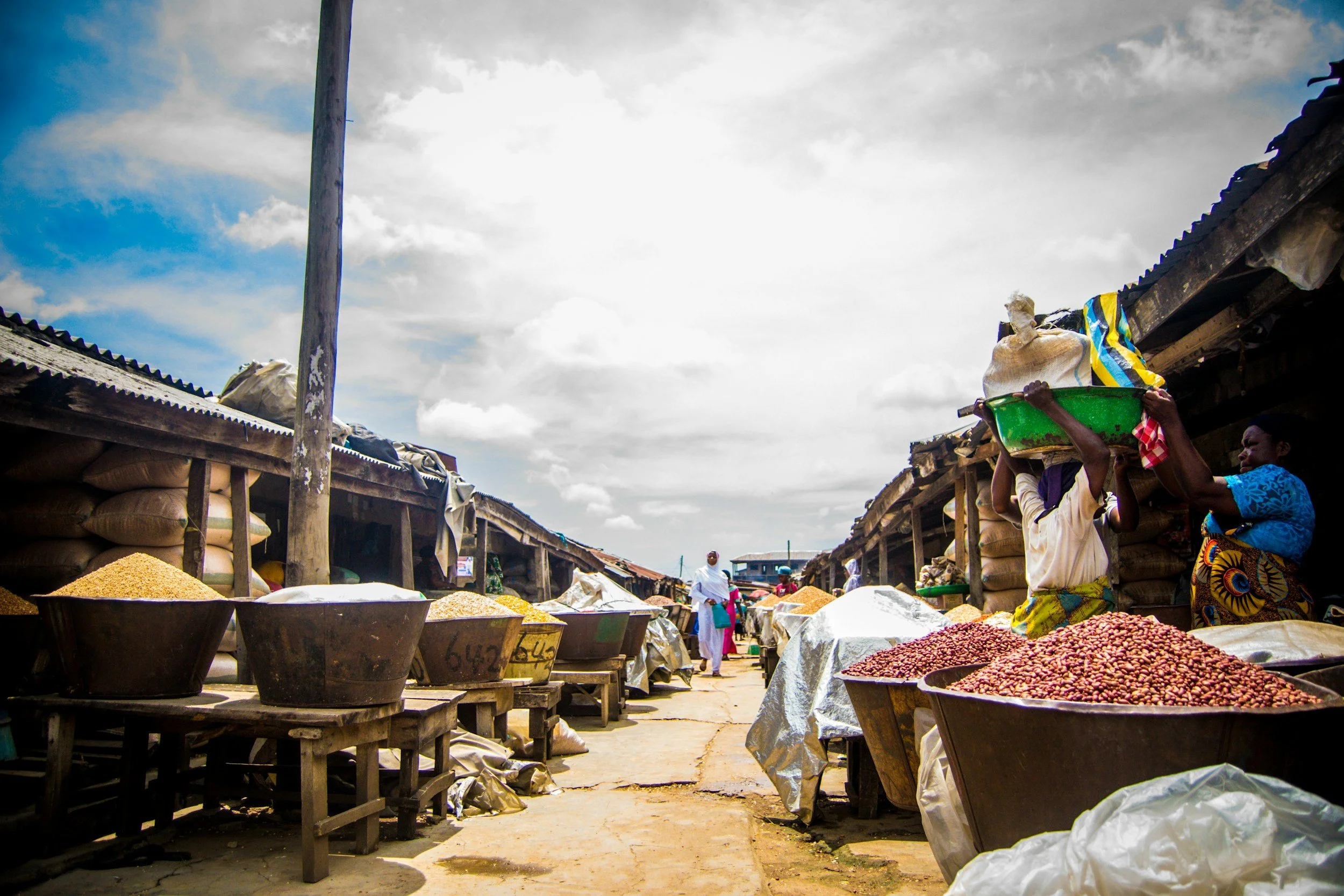
While macroeconomic indicators like the current account surplus and Naira stability show signs of recovery, a new report by PwC Nigeria has cast a somber light on the domestic reality. The firm projects that as many as 141 million Nigerians could live in poverty in 2026, as the "lag effect" of record-high inflation and the removal of subsidies continues to stretch the resilience of low-income households.
The report, titled "Nigeria Economic Outlook 2026: Navigating the Transition," highlights a growing disconnect between improving high-level fiscal data and the "micro-economic" reality of the average citizen. PwC suggests that without targeted social interventions, the gap between the "pro-reform" indicators and household welfare could widen further this year.
1. The "141 Million" Figure: Understanding the Drivers
According to the PwC report, several factors are converging to push more Nigerians toward the poverty threshold:
Lingering Food Inflation: Despite a month-on-month deceleration in headline inflation, food prices remain at historic highs, consuming over 60% of the average household's disposable income.
Unemployment & Underemployment: While the services sector is growing, it has yet to create enough high-quality jobs to absorb the 4-5 million youths entering the labor market annually.
The "Vulnerable Middle": A significant portion of the projected 141 million includes people who were previously "near-poor" but have been pushed under the line by the 2025 energy cost hikes and currency devaluation.
2. Regional Disparities: North vs. South
PwC’s analysis indicates that the poverty risk is not evenly distributed. The Northern regions continue to face higher levels of multidimensional poverty due to security challenges affecting agricultural output, while urban centers in the South are grappling with "working poverty"—where even those with jobs cannot meet their basic nutritional and housing needs.
3. The Call for "Productive Social Safety Nets"
PwC emphasizes that for Nigeria to avoid a long-term social crisis, the government must move beyond temporary "palliatives." The firm recommends:
Direct Investment in Smallholder Farmers: To crash food prices at the source.
Mass Transit Solutions: Reducing the "transportation tax" on the working class.
Incentivizing Labor-Intensive Industries: Shifting focus to construction and textile manufacturing to provide immediate employment.
The Real Estate & Housing Implication: The "Affordability Gap"
The PwC projection of 141 million people in poverty creates a strategic challenge:
The Shrinking Mid-Market: As more families fall into the poverty bracket, the "Effective Demand" for mid-tier residential properties is shrinking. Developers are being forced to pivot toward Micro-Housing and Studio Apartments to match reduced budgets.
Rental Default Risks: Landlords in low-to-middle-income neighborhoods may face higher default rates in 2026. This is driving a trend toward "Co-Living" models, where multiple individuals share a single apartment to split costs.
Urban Slum Growth: Without a massive injection of Social Housing (at price points below ₦10M), the 141-million-poverty milestone will likely accelerate the growth of informal settlements in Lagos and Abuja.