
Nigeria Leads Global Optimism: 91% of CEOs Expect Economic Recovery in 2026
Over Half of Nigerian CEOs Project Revenue Growth in 2026 Amid Economic Stabilisation
A new report by PwC Nigeria reveals a surge in business optimism, with 56% of Nigerian Chief Executive Officers (CEOs) expressing extreme confidence in their organisation’s revenue growth for 2026. This sentiment significantly outpaces the global average of 30%, signaling a decoupling of Nigerian business expectations from the more cautious global trend.
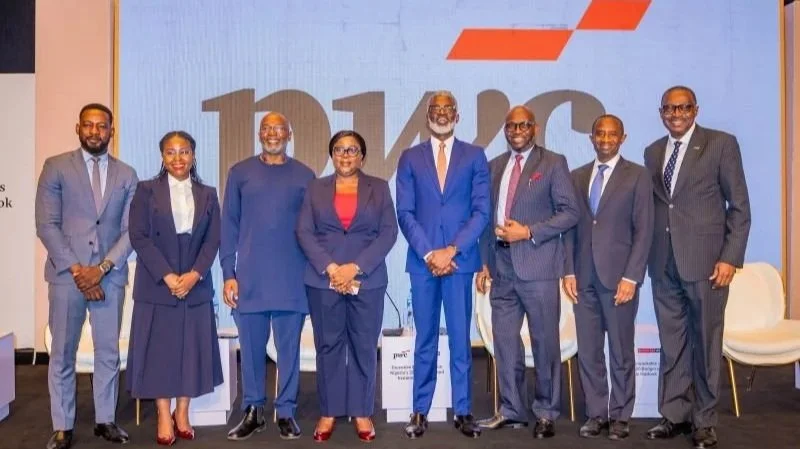
The findings were unveiled by Sam Abu, Country Senior Partner at PwC Nigeria, during the Executive Roundtable on Nigeria’s 2026 Budget and Economic Outlook held in Lagos. The survey, a Nigerian perspective of the 29th PwC Annual Global CEO Survey, highlights a dramatic shift in sentiment compared to previous years.
Economic Optimism Hits Record Levels
The survey indicates that 91% of Nigerian CEOs expect the national economy to improve over the next 12 months—a substantial increase from the 64% recorded in 2025. This optimism is primarily attributed to:
Macroeconomic Stability: Easing inflation, which moderated to 15.15% in December 2025 (following revised methodologies), has provided a more predictable environment for financial planning.
Currency Recovery: After significant volatility, the Naira recorded a 7% gain in 2025, helping firms mitigate foreign exchange-related losses.
Fiscal Reforms: Sustained monetary and foreign-exchange reforms implemented over the last three years have begun to yield results, bolstering external reserves to approximately $46 billion.
AI and Technology as Growth Catalysts
Beyond macroeconomic factors, Nigerian executives are increasingly looking toward "strategic reinvention" to drive value. The report notes that Nigerian CEOs are more aggressive in adopting emerging technologies compared to their international counterparts.
Artificial Intelligence (AI) has emerged as a critical focal point, with many leaders viewing it as a dependable enabler of operational efficiency and customer experience. However, this digital shift has also heightened awareness of firm-level risks; 38% of Nigerian CEOs now cite cyber threats as a top concern, up from 25% in 2023.
Challenges and Strategic Imperatives
Despite the high level of confidence, the report cautions that stability is a platform, not a final destination. PwC’s Chief Economist, Olusegun Zaccheaus, noted at the roundtable that while the outlook is positive, structural pressures remain. Key takeaways for the 2026 fiscal year include:
Interest Rate Caution: Businesses are advised not to expect rapid cuts in the benchmark interest rate, as the Central Bank maintains a cautious stance to prevent inflation re-acceleration.
Infrastructure Gaps: Business leaders emphasized that private sector investment remains crucial, as the government currently funds only a fraction of the infrastructure required for sustained growth.
Portfolio Reshaping: Approximately 42% of CEOs indicated they have started competing in new sectors over the past five years to diversify revenue streams.
The 2026 PwC CEO Survey paints a picture of a resilient Nigerian corporate sector that is "leading the pack" in global confidence. While geopolitical tensions and cyber risks remain "near-term threats," the prevailing sentiment suggests that Nigerian businesses have successfully navigated the worst of recent economic shocks and are now positioned for expansion. The success of this outlook will ultimately depend on the consistency of government reforms and the ability of firms to translate this confidence into tangible productivity gains.
