
Yemi Osinbajo Advocates for Land Digitisation to Solve Nigeria’s Housing Crisis
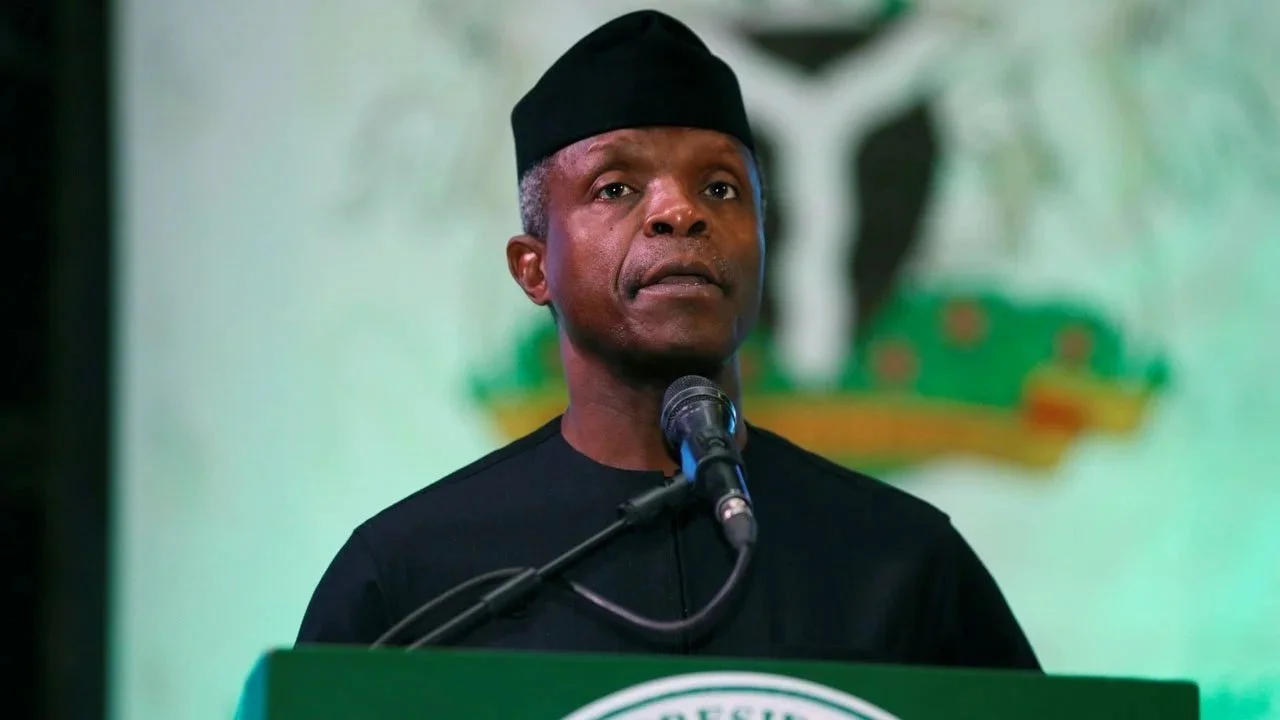
Prof. Yemi Osinbajo,Nigeria’s former Vice President
Nigeria’s former Vice President, Prof. Yemi Osinbajo, has asserted that the delivery of sustainable and affordable housing nationwide is achievable through strong political commitment paired with private sector collaboration. Speaking at the 2026 Wemabod Real Estate Outlook in Lagos, Osinbajo argued that social housing models are feasible when the government prioritises them as a core policy choice.
The Necessity of Political Commitment
Addressing the theme “Unlocking Land and Infrastructure for Inclusive Housing,” Osinbajo cited his tenure’s track record, noting the inauguration of 15,000 housing units in Borno State within three years. He maintained that similar large-scale projects could be replicated across the country if leaders demonstrate the necessary resolve. According to the former Vice President, inclusive housing is not merely a social obligation but a strategic economic decision.
Digital Reforms in Land Administration
A significant portion of Osinbajo’s address focused on the structural bottlenecks hindering the real estate sector. He identified fragmented records, overlapping ownership claims, and bureaucratic delays as primary obstacles to development.
To resolve these issues, he called for the full digitisation of land records to create a transparent, reliable database. He noted that digital titling would:
Reduce Disputes: Minimise litigation arising from double allocations.
Enhance Investor Confidence: Provide a secure foundation for private sector capital.
Streamline Documentation: Ensure predictable timelines for land acquisition and development.
Regional Vision and Infrastructure
Osinbajo further highlighted that South-West Nigeria possesses the requisite land, capital, and expertise but lacks a "coherent regional vision." He urged for a strategy that treats housing as the backbone of urban development, closely coordinated with infrastructure delivery.
By modernising land administration, the former Vice President argued that the government could proactively engage in land banking and urban expansion, thereby curbing corruption and enhancing security for developers and homeowners alike.
Stakeholder Perspectives on Urban Growth
Reinforcing Osinbajo’s points, Bashir Oladunni, CEO of Wemabod, stated that housing serves as a foundation for social stability and economic productivity. He identified infrastructure constraints as the critical barrier to accessibility.
Similarly, Nureni Adisa, Chairman of Wemabod Limited, remarked on the current paradox of Nigeria’s urban growth, where vibrant economic activity exists alongside deepening housing inequality. He concluded that strategic reforms are the only way to unlock the nation’s latent housing potential.
The 2026 Wemabod Real Estate Outlook concluded with a consensus that the path to affordable housing in Nigeria requires a departure from outdated frameworks. By leveraging political will to implement digital reforms and fostering public-private partnerships, Nigeria can transition toward a more inclusive and sustainable urban future.
