
Abuja and Lagos Real Estate: Luxury Rent Prices Hit Record Highs in 2026
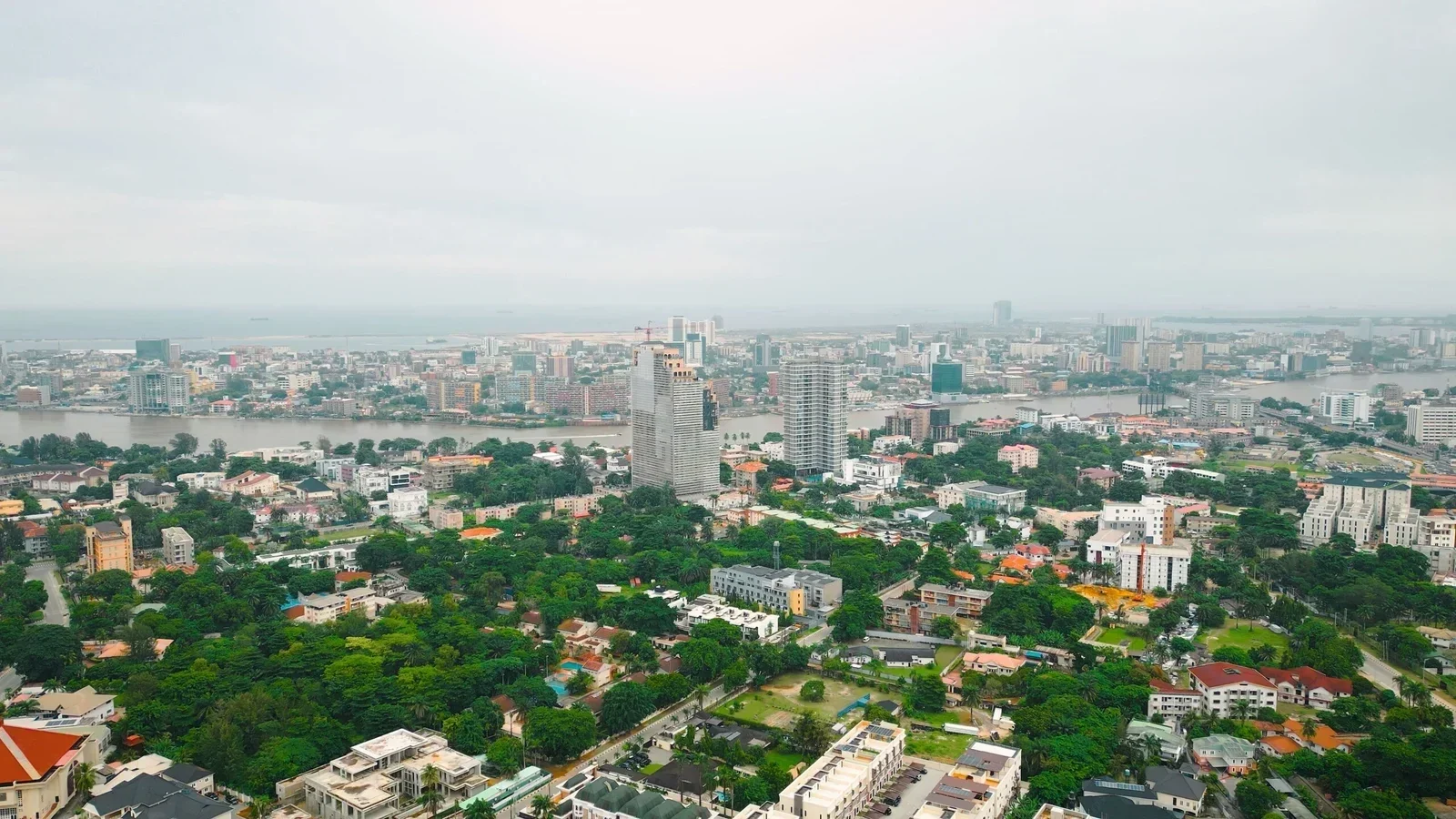
Rental prices for luxury apartments in Nigeria’s primary political and commercial hubs, Abuja and Lagos, have escalated to record levels. Annual rents in premium districts now start at ₦20 million, with high-end units in certain locations exceeding ₦75 million. Market analysts attribute this trend to a combination of rapid urban migration, persistent housing supply deficits, and elevated construction costs.
Market Dynamics and Economic Drivers
The surge in the premium rental sector is driven by the continuous influx of investors, expatriates, and corporate entities into Abuja and Lagos. This demand consistently outpaces the rate of new residential construction. Furthermore, the market remains influenced by broader economic pressures, including high interest rates and the rising cost of building materials.
Despite a recorded easing of inflation to 16.05% in October 2025, the Monetary Policy Rate (MPR) remains at 27%, maintaining high financing costs for developers. Consequently, the gap between the premium and standard housing markets continues to widen, creating significant affordability barriers for low- and middle-income earners.
Abuja: High-End Rental Benchmarks
In the Federal Capital Territory, demand for upscale living remains concentrated in established and emerging districts:
Guzape: Three-bedroom units start at ₦20 million, while some luxury blocks reach ₦75 million annually.
Maitama: Known for its diplomatic presence, three-bedroom apartments rent for approximately ₦7 million monthly or ₦40 million annually.
Asokoro: Four-bedroom terraced duplexes are currently priced at roughly ₦25 million per year.
Wuye and Katampe: In these emerging high-end zones, four-to-five-bedroom duplexes rent for between ₦20 million and ₦25 million annually.
Lagos: Premium Residential Trends
The Lagos luxury market continues to expand, particularly in the island districts, where high-density luxury estates attract significant investment:
Ikoyi: Average annual rent for a three-bedroom apartment has reached ₦25 million.
Banana Island: Three-bedroom units are commanding approximately ₦27.5 million per annum.
Eko Atlantic City: Prices vary from ₦20.9 million for one-bedroom units to ₦35.3 million for three-bedroom apartments.
Victoria Island and Lekki Phase I: Rents for three-bedroom units range from ₦11.2 million to ₦15 million annually.
Sector Growth and Investor Confidence
Despite the affordability crisis in the broader market, investor confidence in luxury real estate remains robust. Construction activity grew by 5.57% in real terms during Q3 2025. According to data from Edala Development, the luxury residential sector is expanding as affluent Nigerians and foreign investors seek stable returns through premium rental properties.
The escalating rent prices in Abuja and Lagos underscore a persistent structural imbalance in Nigeria's real estate sector. While the luxury segment continues to thrive, the lack of affordable alternatives and the concentration of high-end developments suggest that these cities will remain hotspots for premium property investment for the foreseeable future, even as standard housing accessibility diminishes.
