
Urban Planning Professionals Appeal to Tinubu on Land Governance and Surveyor-General Actions
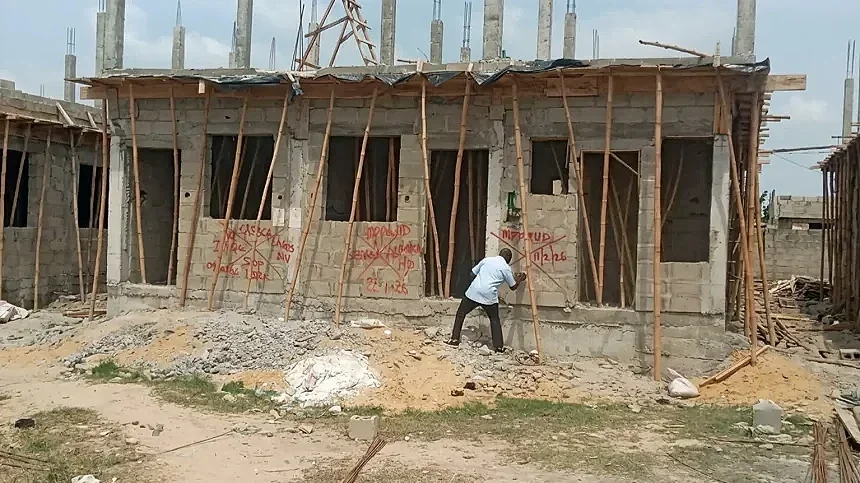
NAFPA Appeals to Tinubu for Reform and Clarification in Land Administration Roles
Professional town planners in Nigeria have formally appealed to President Bola Tinubu to intervene in the ongoing land governance reform process, expressing concern that recent administrative changes may undermine the country’s statutory planning framework and legislative mandates. The appeal was set out in a memorandum submitted by the Nathaniel Atebije Foundation for Planning Advocacy (NAFPA), which represents registered planning practitioners across the federation.
At the centre of the dispute is a recent announcement by the Office of the Surveyor-General of the Federation (OSGOF) regarding the inauguration of a Committee on Land Use and Allocation, which planners argue exceeds the office’s statutory mandate and has blurred clear lines within Nigeria’s legal land governance architecture.
Planners Highlight Legal and Institutional Tensions
In their appeal, planners welcomed broader governmental efforts to improve inter-agency coordination, enhance development control systems, and integrate physical planning more firmly into national economic strategies. They described these as positive shifts from historically fragmented urban governance practices.
However, the memorandum voiced specific concerns over recent actions by OSGOF, which planners say venture beyond technical survey work such as mapping, boundary delineation and geospatial data coordination into areas including land allocation and shoreline governance, domains traditionally managed by certified planning authorities under Nigeria’s land laws.
According to NAFPA, this institutional overlap risks eroding clarity in land use planning, zoning authority and development control crucial functions intended to be executed in sequence as prescribed by statutes like the Land Use Act and the Nigerian Urban and Regional Planning Act.
Call for Statutory Clarity and Institutional Roles
Planners emphasised that land allocation should follow approved planning schemes, not precede them a sequencing they argue fosters equity, environmental protection and orderly urban development. They contend that bypassing this statutory sequence can invite speculation, informal settlements and conflicts over property rights.
NAFPA’s recommendations included:
Reaffirming that land-use regulation and development control remain the remit of planning authorities established under law.
Reversing the assignment of shoreline planning and management to OSGOF and similar technical agencies.
Considering the creation of a Federal Ministry of Physical Planning and the office of the Town Planner-General of the Federation to harmonise planning functions and reinforce statutory mandates.
The group also noted that the composition of the new Land Use and Allocation Committee reportedly lacked the multidisciplinary representation required to uphold professional rigour, potentially exposing its decisions to legal challenges.
Broader Context of Land Governance Reform
The planners’ appeal is part of wider debates over land governance reform in Nigeria, where stakeholders have long identified land administration as a bottleneck to development and housing delivery. Various reform efforts including national land titling initiatives led by the Federal Ministry of Housing & Urban Development aim to streamline land registration, reduce bureaucratic friction and unlock economic value embedded in formally documented land assets.
Reforms seek to increase the share of formally registered land historically less than 10 per cent with targets to reach much higher levels to enhance property rights, foster investor confidence and reduce disputes.
As Nigeria advances land governance and urban planning reforms, professional planners are urging presidential leadership to ensure that institutional roles and statutory mandates remain clear and legally sound. By asking for presidential intervention, NAFPA aims to safeguard orderly planning systems, strengthen regulatory certainty and align land administration with broader national development objectives particularly as the country seeks to modernise land governance frameworks and expand access to housing and infrastructure.
