
Ogun State: Kara Cattle Market Persists 17 Months After Official Relocation Order
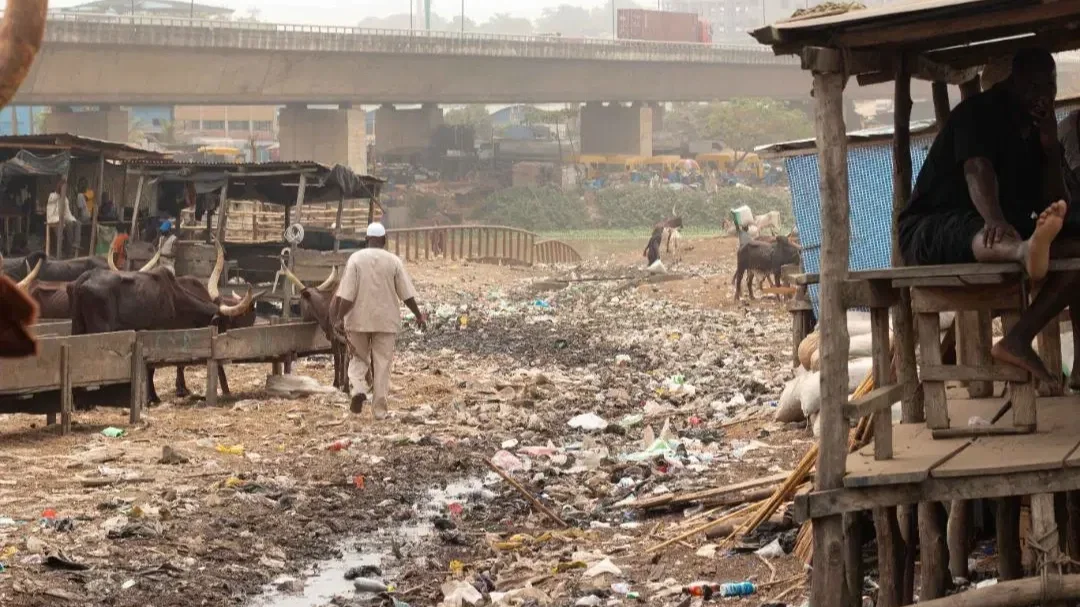
Ogun state Kara Cattle Market
The Kara Cattle Market, situated along the Lagos-Ibadan Expressway, remains fully operational 17 months after the Ogun State Government issued an official relocation directive. Despite the administration's intent to move the market to the designated Ogere International Livestock Market to alleviate traffic congestion and environmental degradation, traders and livestock activities continue at the Berger axis, highlighting significant gaps between policy enforcement and local implementation.
The relocation order was originally conceived as a strategic measure to sanitise the gateway corridor and improve the aesthetic and functional value of the state's entrance. However, the persistent presence of the market 17 months later raises critical questions regarding urban planning compliance and the logistical readiness of the alternative site provided by the state.
The Rationale for Relocation
The Ogun State Government, through various environmental and physical planning agencies, identified the Kara market as a primary contributor to the perennial traffic gridlock experienced at the Berger end of the Lagos-Ibadan Expressway. Beyond transportation concerns, the government cited the following factors as drivers for the relocation:
Environmental Degradation: The discharge of animal waste into the surrounding ecosystem and the lack of modern drainage systems at the current site.
Urban Renewal: Plans to modernise the corridor to reflect the "Building Our Future Together" agenda of the Dapo Abiodun administration.
Public Health: Managing the risks associated with large-scale livestock handling in a densely populated residential and commercial hub.
Challenges to Enforcement and Trader Resistance
Interviews and field observations indicate that the transition to the Ogere International Livestock Market has stalled due to several socio-economic factors. Traders at the Kara market have expressed concerns regarding the distance of the new site from their primary customer base in Lagos and the perceived inadequacy of infrastructure at the Ogere location.
Furthermore, the complexity of the livestock value chain which involves transporters, feed sellers, and auxiliary services means that a partial move is often unsustainable. While the state government has maintained its stance that the relocation is non-negotiable, the absence of aggressive enforcement has allowed the status quo to persist, creating a state of regulatory limbo for investors and property developers in the Opic-Berger axis.
Infrastructure Gaps at the Alternative Site
A critical point of contention remains the readiness of the Ogere International Livestock Market. According to reports from market unions, while the site is designated for livestock trade, the full suite of required amenities, including water supply, waste management facilities, and security outposts, requires further development to handle the volume of trade currently processed at Kara.
Policymakers note that for the relocation to be successful, the state must ensure that the new facility offers a competitive advantage over the current informal site. The delay in enforcement suggests a cautious approach by the government to avoid disrupting the beef supply chain, which could lead to price volatility in the regional market.
The 17-month delay in the relocation of the Kara Cattle Market underscores the challenges inherent in urban renewal projects involving deeply entrenched informal economies. For Ogun State to achieve its master plan for the Lagos-Ibadan corridor, it must bridge the gap between executive orders and the logistical realities of the livestock trade. Moving forward, a more collaborative approach involving infrastructure upgrades at Ogere and a phased enforcement timeline may be necessary to resolve this long-standing urban planning bottleneck.
