
NSE Alerts President Tinubu Over Exclusion of Local Engineers from Trillion-Naira Projects
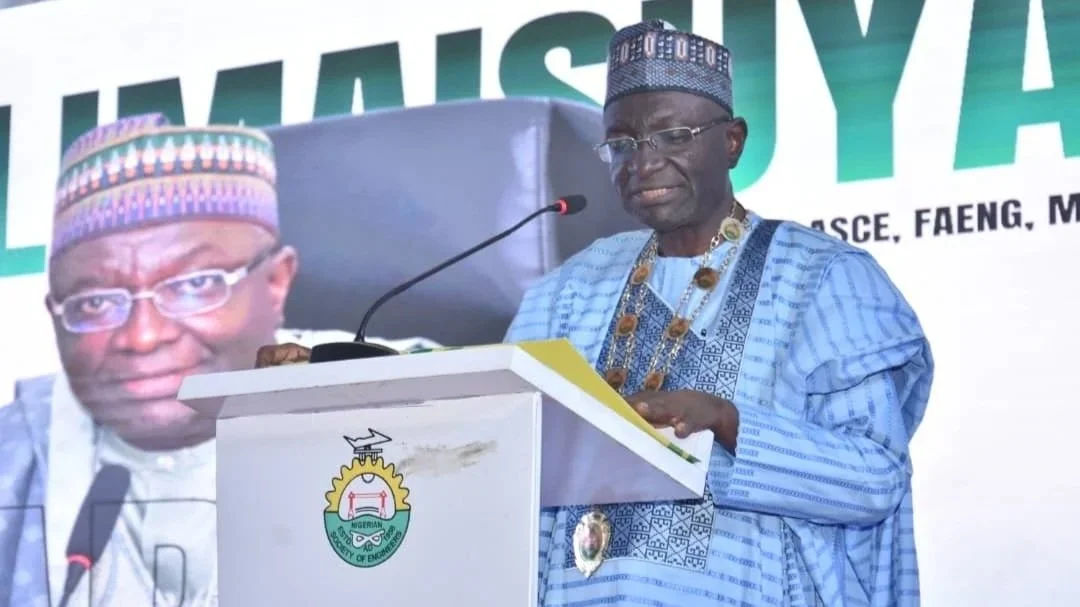
Ali Rabiu President of NIgerian Society Of Engineers
The Nigerian Society of Engineers (NSE) has formally expressed concern to President Bola Tinubu regarding the systematic exclusion of indigenous engineers from large-scale infrastructure projects valued at trillions of naira. During his investiture ceremony in Abuja on 20 January 2026, the newly inaugurated President of the NSE, Engr. Ali Alimasuya Rabiu, alleged that several Ministries, Departments, and Agencies (MDAs) continue to sideline local professionals in favour of foreign firms, despite existing statutory frameworks mandating local participation.
The NSE maintains that this trend directly contravenes the Federal Government’s "Nigeria First Policy" and Executive Order 5, which was designed to promote the Ibrahim-led administration’s agenda for local content in science, engineering, and technology. According to Engr. Rabiu, the lack of adherence to these regulations by key infrastructure related MDAs including the Ministries of Works, Power, Water Resources, and the Federal Capital Territory Administration undermines national industrialization efforts and weakens domestic engineering capacity.
Non-Compliance with Legal Frameworks
The engineering body highlighted that the Council for the Regulation of Engineering in Nigeria (COREN) Act and Executive Order 5 provide a legal basis for the prioritisation of Nigerian professionals. However, the NSE reported that many high value government contracts are executed without the requisite involvement of local consultants. This exclusion, the Society argues, often results in inflated project costs and a lack of transparency in project delivery.
Engr. Rabiu noted that foreign-dominated project execution frequently misses opportunities for local capacity development. He called on the Presidency to issue a directive ensuring the compulsory engagement of Nigerian engineering consultants in the design, supervision, and certification of all major public works. This measure, the NSE suggests, would ensure that professional standards are maintained while retaining capital within the domestic economy.
Strategic Institutional Reforms
Reflecting on the current state of the profession, the NSE President emphasised the need for the Society to return to its founding ideals as a standards-driven institution. While commending the immediate past president, Engr. Margaret Oguntala, for enhancing the visibility of the organisation, Engr. Rabiu pledged to reposition the NSE as a primary driver of public policy and technological innovation in Nigeria.
The Society's leadership argued that the persistent marginalisation of Nigerian engineers serves as a barrier to the country becoming an infrastructure hub for Africa. They contended that indigenous firms possess the technical competence to manage complex projects but are often denied the opportunity by procurement processes that favor international entities.
The NSE’s appeal to President Tinubu underscores a growing demand for stricter enforcement of local content laws within Nigeria's construction and infrastructure sectors. As the Federal Government pursues ambitious developmental goals, the integration of local engineering expertise remains a critical factor for sustainable economic growth. The Society’s forward-looking perspective suggests that institutionalizing the participation of Nigerian professionals is essential not only for economic sovereignty but also for the long-term maintenance and reliability of national infrastructure.
